
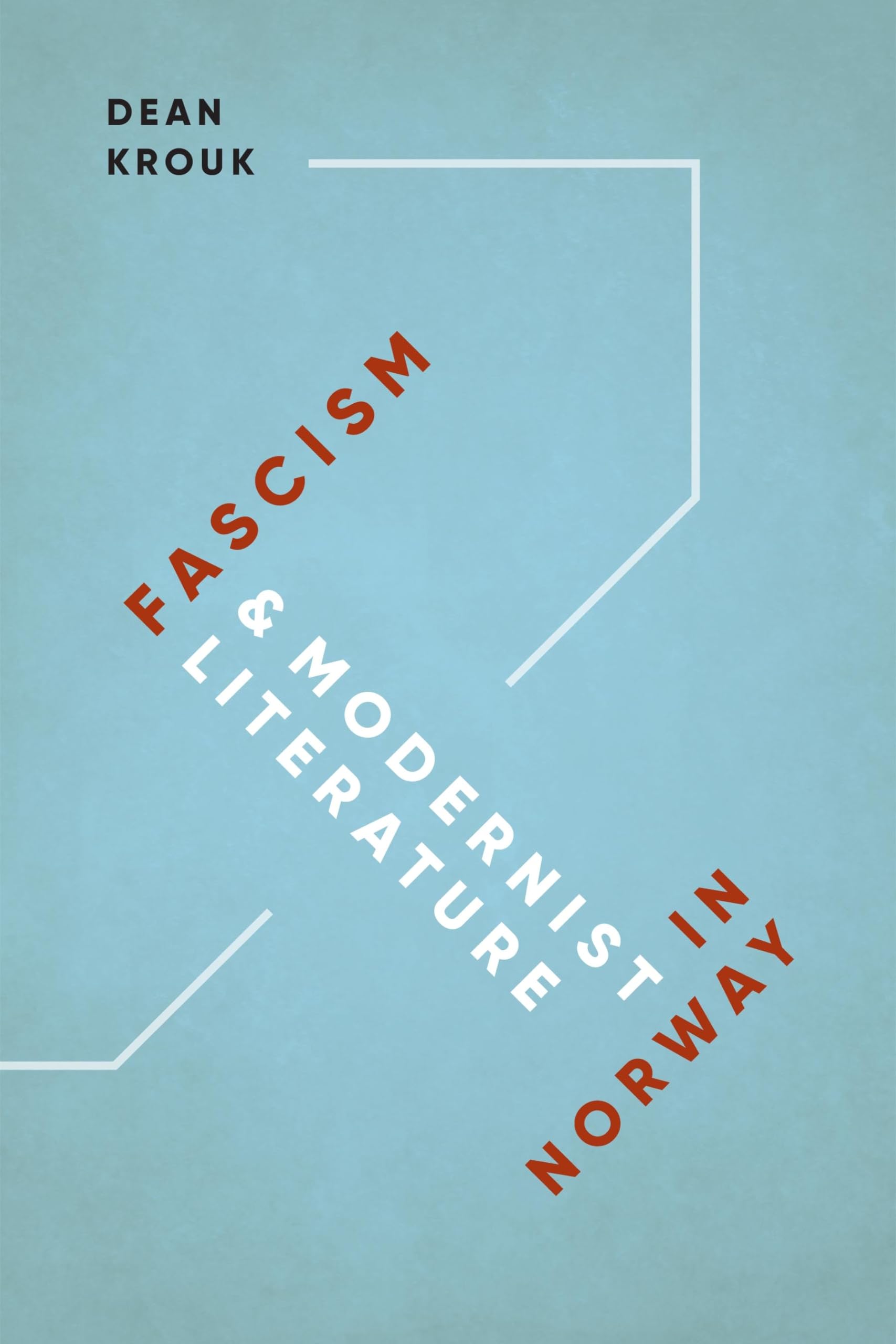
Title
Fascism And Modernist Literature In Norway (New Directions In Scandinavian Studies)
Processing time: 1-3 days
US Orders Ships in: 3-5 days
International Orders Ships in: 8-12 days
Return Policy: 15-days return on defective items
Payment Option

Fascism And Modernist Literature In Norway Illuminates The Connections Between Literature And Politics In Interwar Europe. Focusing On The Works Of Nobel Prizewinning Novelist Knut Hamsun And Modernist Poets Asmund Sveen And Rolf Jacobsen, All Of Whom Collaborated With The Nazi Regime During The Occupation Of Norway In World War Ii, And Those Of The Antifascist Novelist And Critic Sigurd Hoel, Dean Krouk Reveals Key Aspects Of The Modernist Literary Imagination In Norway.In Their Writings, Hamsun, Sveen, And Jacobsen Expressed Their Discontent With Twentiethcentury European Modernity, Which They Perceived As Overly Rationalized Or Nihilistic. Krouk Explains How Fascism Offered These Writers A Seductive Utopian Vision That Intersected With The Countercultural And Avantgarde Aspects Of Their Literary Works, While Hoel'S Critical Analysis Of Nazism Extended To A Questioning Of All Patriarchal Forms Of Authority. Krouk'S Readings Of Their Works Serve As A Timely Reminder To Us All Of The Dangers Of Fascism.
⚠️ WARNING (California Proposition 65):
This product may contain chemicals known to the State of California to cause cancer, birth defects, or other reproductive harm.
For more information, please visit www.P65Warnings.ca.gov.
- Q: What is the page count of this book? A: This book has one hundred eighty-four pages. It provides an in-depth analysis of literature and politics in interwar Europe.
- Q: What is the binding type of this book? A: This book is available in paperback binding. It offers a flexible and durable option for readers.
- Q: What are the dimensions of this book? A: The dimensions of this book are six inches in length, zero point four seven inches in width, and nine point zero two inches in height. These measurements make it a compact and easy-to-handle book.
- Q: Who is the author of this book? A: The author of this book is Dean Krouk. He explores the connections between literature and fascism in Norway.
- Q: What genre does this book belong to? A: This book belongs to the Modernism genre. It examines the intersection of modernist literature and political ideologies.
- Q: Is this book suitable for academic study? A: Yes, this book is suitable for academic study. It delves into significant historical and literary themes relevant to modernist literature.
- Q: How does the author approach the subject matter? A: The author approaches the subject matter through critical analysis. Krouk examines the works of notable authors and their political affiliations.
- Q: Can this book be read by beginners? A: Yes, beginners can read this book. However, some familiarity with modernist literature and historical context may enhance understanding.
- Q: What themes are explored in this book? A: This book explores themes of fascism, modernity, and literary imagination. It highlights the political implications of literary works during the interwar period.
- Q: How should I care for this book? A: To care for this book, keep it in a dry place and avoid exposure to direct sunlight. This will help preserve the quality of the pages and cover.
- Q: Is this book safe for all ages? A: Yes, this book is generally safe for all ages. However, it discusses complex themes related to fascism and politics.
- Q: Can this book be used in literature courses? A: Yes, this book can be used in literature courses. It provides valuable insights into the relationship between literature and politics.
- Q: What if the book arrives damaged? A: If the book arrives damaged, you should contact the seller for a replacement or refund. Most sellers offer customer support for such issues.
- Q: Is there a return policy for this book? A: Yes, there is usually a return policy for this book. Check with the seller for specific return procedures and timeframes.
- Q: How does this book compare to other modernist literature? A: This book offers a unique perspective on modernist literature by linking it to political ideologies. It differs from other works by focusing specifically on Norway's literary scene.