
Title
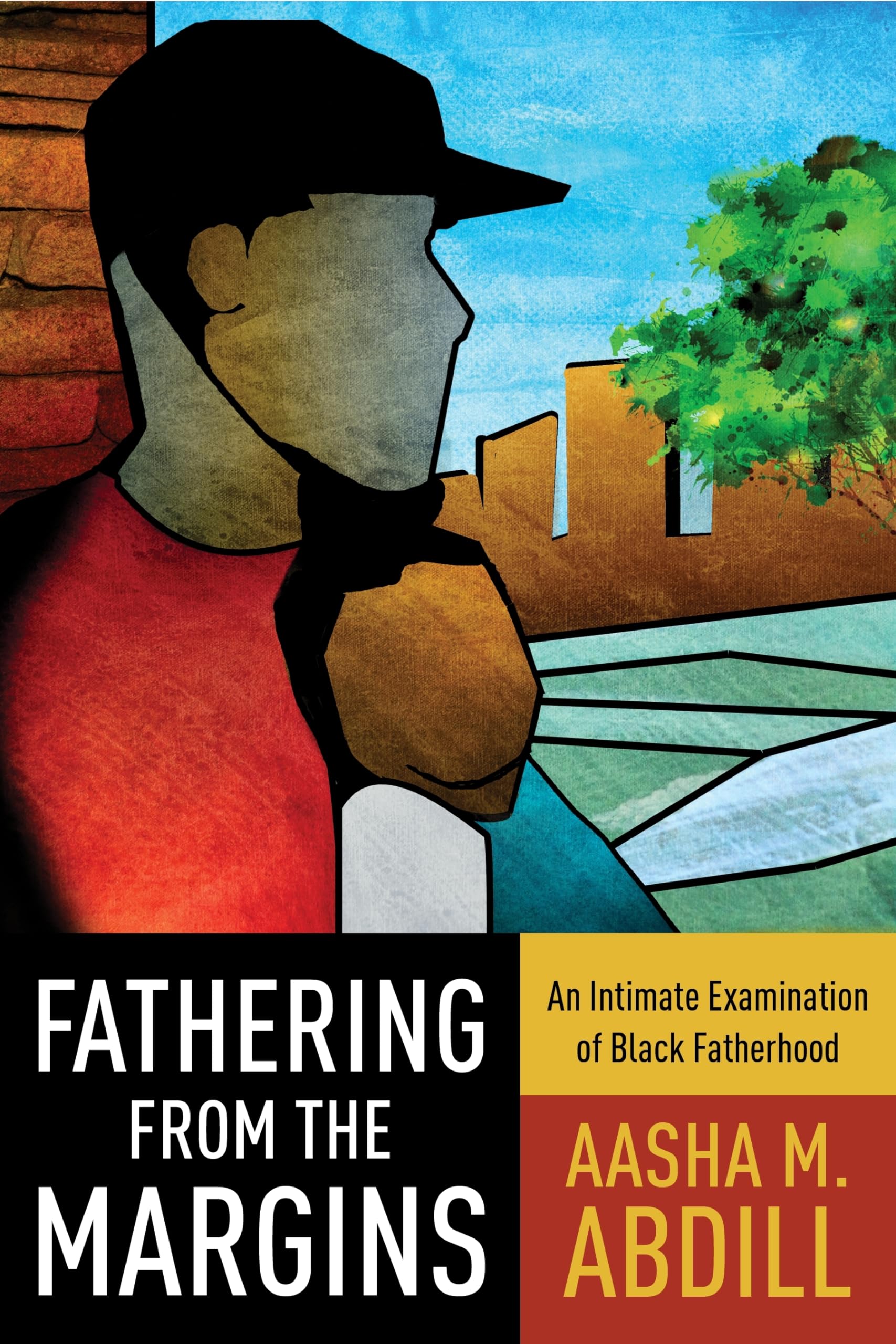
Fathering from the Margins: An Intimate Examination of Black Fatherhood,Used
Sold by Ergodebooks, an authorized reseller.
Returns accepted within 30 days | support@ergodebooks.com
Shipping Information
- Free Standard Shipping — United States only
- Processing Time: 3–5 business days
- Estimated Delivery: 6–10 business days after dispatch
- Double-boxed, fully insured & discreetly packaged
- Tracking number sent via email once dispatched
Returns & Refund
Returns accepted within 30 days of delivery.
Damaged or Defective Item
Free return shipping + replacement or full refund
Wrong Item Received
Free return shipping + replacement or full refund
Change of Mind
Return shipping at customer's expense · 25% restocking fee applies
Payment Option

Despite a decade of sociological research documenting black fathers significant level of engagement with their children, stereotypes of black men as deadbeat dads still shape popular perceptions and scholarly discourse. In Fathering from the Margins, sociologist Aasha M. Abdill draws on four years of fieldwork in lowincome, predominantly black BedfordStuyvesant, Brooklyn, to dispel these destructive assumptions. She considers the obstacles facedand the strategies usedby black men with children.Abdill presents qualitative and quantitative evidence that confirms the increasing presence of black fathers in their communities, arguing that changing social norms about gender roles in black families have shifted fathering behaviors. Black men in communities such as BedStuy still face social and structural disadvantages, including disproportionate unemployment and incarceration, with significant implications for family life. Against this backdrop, black fathers attempt to reconcile contradictory beliefs about what makes one a good father and what makes one a respected man by developing different strategies for expressing affection and providing parental support. Black mens involvement with their children is affected by the attitudes of their peers, the media, and especially the women of their families and communities: from the grandmothers who often become gatekeepers to involvement in a childs life to the femaledominated sectors of childcare, primary school, and familyservice provision. Abdill shows how supporting black men in their quest to beand be seen asfamily men is the key to securing not only their children's wellbeing but also their own.
⚠️ WARNING (California Proposition 65):
This product may contain chemicals known to the State of California to cause cancer, birth defects, or other reproductive harm.
For more information, please visit www.P65Warnings.ca.gov.