
Title
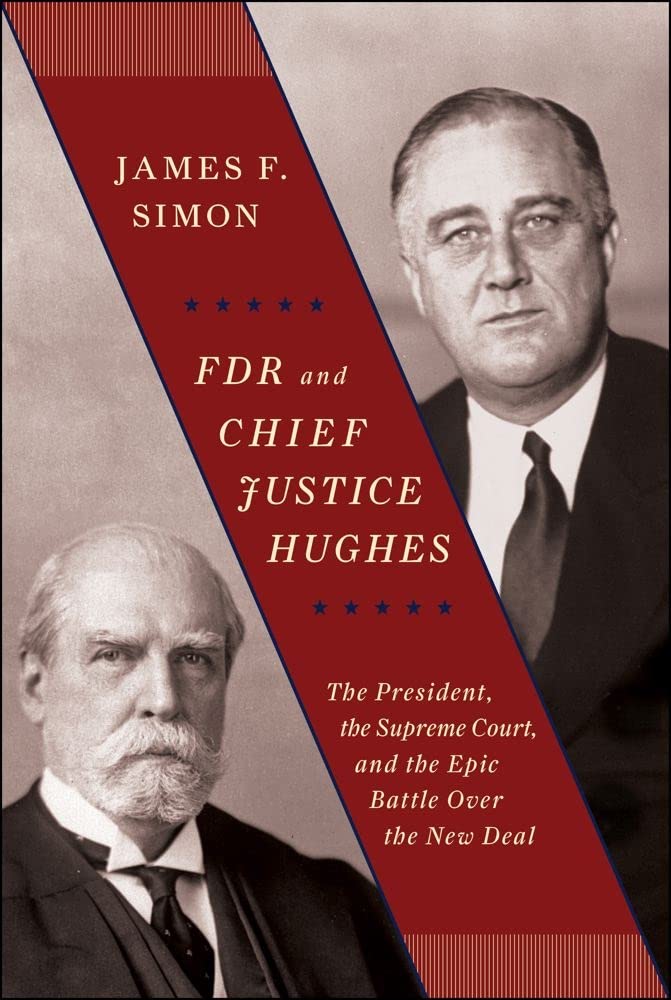
Fdr And Chief Justice Hughes: The President, The Supreme Court, And The Epic Battle Over The New Deal
Sold by Ergodebooks, an authorized reseller.
Returns accepted within 30 days | support@ergodebooks.com
Shipping Information
- Free Standard Shipping — United States only
- Processing Time: 3–5 business days
- Estimated Delivery: 6–10 business days after dispatch
- Double-boxed, fully insured & discreetly packaged
- Tracking number sent via email once dispatched
Returns & Refund
Returns accepted within 30 days of delivery.
Damaged or Defective Item
Free return shipping + replacement or full refund
Wrong Item Received
Free return shipping + replacement or full refund
Change of Mind
Return shipping at customer's expense · 25% restocking fee applies
Payment Option

By The Author Of Acclaimed Books On The Bitter Clashes Between Jefferson And Chief Justice Marshall On The Shaping Of The Nations Constitutional Future, And Between Lincoln And Chief Justice Taney Over Slavery, Secession, And The Presidential War Powers. Roosevelt And Chief Justice Hughes'S Fight Over The New Deal Was The Most Critical Struggle Between An American President And A Chief Justice In The Twentieth Century.The Confrontation Threatened The New Deal In The Middle Of The Nations Worst Depression. The Activist President Bombarded The Democratic Congress With A Fusillade Of Legislative Remedies That Shut Down Insolvent Banks, Regulated Stocks, Imposed Industrial Codes, Rationed Agricultural Production, And Employed A Quarter Million Young Men In The Civilian Conservation Corps. But The Legislation Faced Constitutional Challenges By A Conservative Bloc On The Court Determined To Undercut The President. Chief Justice Hughes Often Joined The Courts Conservatives To Strike Down Major New Deal Legislation.Frustrated, Fdr Proposed A Courtpacking Plan. His True Purpose Was To Undermine The Ability Of The Lifetenured Justices To Thwart His Popular Mandate. Hughes Proved More Than A Match For Roosevelt In The Ensuing Battle. In Grudging Admiration For Hughes, Fdr Said That The Chief Justice Was The Best Politician In The Country. Despite The Defeat Of His Plan, Roosevelt Never Lost His Confidence And, Like Hughes, Never Ceded Leadership. He Outmaneuvered Isolationist Senators, Many Of Whom Had Opposed His Courtpacking Plan, To Expedite Aid To Great Britain As The Allies Hovered On The Brink Of Defeat. He Then Led His Country Through World War Ii.
⚠️ WARNING (California Proposition 65):
This product may contain chemicals known to the State of California to cause cancer, birth defects, or other reproductive harm.
For more information, please visit www.P65Warnings.ca.gov.
- Q: How many pages does the book have? A: The book has four hundred eighty pages. It offers a detailed exploration of the critical struggle between FDR and Chief Justice Hughes.
- Q: What is the binding type of this book? A: The book is a hardcover edition. This binding provides durability and a more polished appearance, making it suitable for collectors.
- Q: What are the dimensions of the book? A: The book measures six point twenty-six inches in length, one point five inches in width, and nine point twenty-five inches in height. These dimensions make it a standard size for hardcover books.
- Q: Who is the author of this book? A: The author is James F. Simon. He is known for his insightful historical narratives and analyses of key constitutional battles in American history.
- Q: What is the main subject of the book? A: The book focuses on the confrontation between FDR and Chief Justice Hughes regarding the New Deal. It examines their political and legal battles during a critical time in American history.
- Q: What genre does this book belong to? A: The book falls under the historical non-fiction genre. It provides a factual account of significant events and figures in American history.
- Q: Is this book suitable for young readers? A: This book is primarily aimed at adult readers. It discusses complex themes related to politics, law, and historical events that may not be suitable for younger audiences.
- Q: What themes are explored in this book? A: The book explores themes of political power, judicial authority, and the struggle for social reform. It highlights the tensions between presidential actions and judicial interpretations.
- Q: How should I care for this hardcover book? A: To care for the book, keep it in a cool, dry place and avoid direct sunlight. This will help preserve the binding and pages.
- Q: Can I return this book if I am not satisfied? A: Yes, you can return the book if you are not satisfied. Return policies may vary, so it's best to check with the retailer for specific details.
- Q: What should I do if the book arrives damaged? A: If the book arrives damaged, contact the retailer for return or exchange options. Most retailers offer support for damaged items.
- Q: Is there a warranty or guarantee for this book? A: Typically, books do not come with a warranty. However, check with the retailer for any satisfaction guarantees they may offer.
- Q: Are there any notable reviews or endorsements for this book? A: Yes, the book has received positive reviews for its in-depth analysis and engaging writing style. Critics commend Simon's ability to bring historical figures to life.
- Q: Does the book include any illustrations or photographs? A: The book does not specifically mention illustrations or photographs. It is primarily text-based, focusing on historical analysis.
- Q: Is this book part of a series? A: No, this book is a standalone title. It is not part of a series but contributes to understanding American history and constitutional law.