
Title
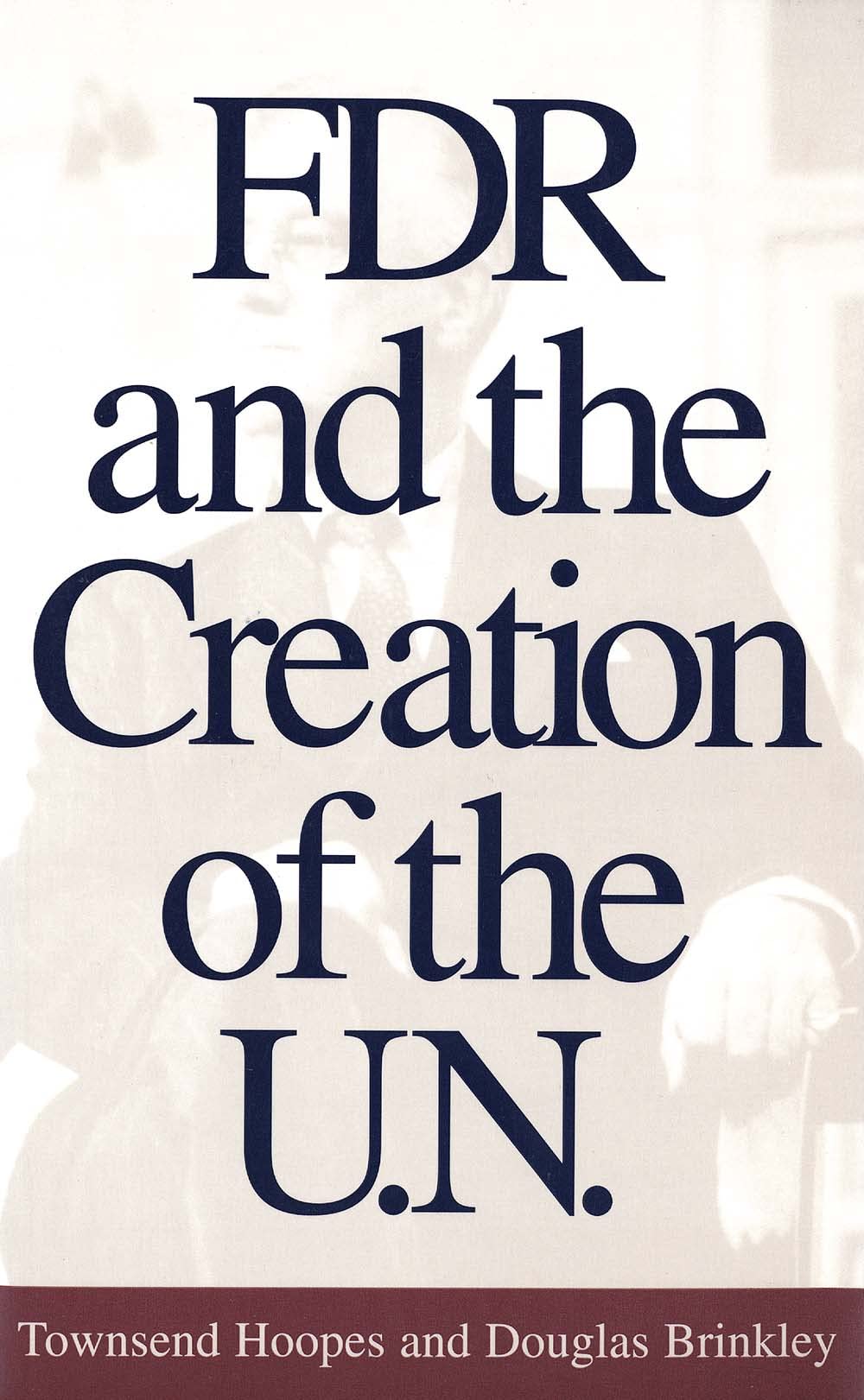
FDR and the Creation of the U.N.,Used
Sold by Ergodebooks, an authorized reseller.
Returns accepted within 30 days | support@ergodebooks.com
Shipping Information
- Free Standard Shipping — United States only
- Processing Time: 3–5 business days
- Estimated Delivery: 6–10 business days after dispatch
- Double-boxed, fully insured & discreetly packaged
- Tracking number sent via email once dispatched
Returns & Refund
Returns accepted within 30 days of delivery.
Damaged or Defective Item
Free return shipping + replacement or full refund
Wrong Item Received
Free return shipping + replacement or full refund
Change of Mind
Return shipping at customer's expense · 25% restocking fee applies
Payment Option

In recent years the United Nations has become more active inand more generally respected forits peacekeeping efforts than at any other period in its fiftyyear history. During the same period, the United States has been engaged in a debate about the place of the U.N. in the conduct of its foreign policy. This book, the first account of the American role in creating the United Nations, tells an engrossing story and also provides a useful historical perspective on the controversy.Prizewinning historians Townsend Hoopes and Douglas Brinkley explain how the idea of the United Nations was conceived, debated, and revised, first within the U.S. government and then by negotiation with its major allies in World War II. The experience of the war generated increasing support for the new organization throughout American society, and the U.N. Charter was finally endorsed by the community of nations in 1945. The story largely belongs to President Franklin Roosevelt, who was determined to form an organization that would break the vicious cycle of ever more destructive wars (in contrast to the failed League of Nations), and who therefore assigned collective responsibility for keeping the peace to the five leading U.N. powersthe major wartime Allies. Hoopes and Brinkley focus on Roosevelt but also present vivid portraits of others who played significant roles in bringing the U.N. into being: these include Cordell Hull, Sumner Welles, Dean Acheson, Harry Hopkins, Wendell Willkie, Edward Stettinius, Arthur Vandenberg, Thomas Dewey, William Fulbright, and Walter Lippmann. In an epilogue, the authors discuss the checkered history of the United Nations and consider its future prospects.
⚠️ WARNING (California Proposition 65):
This product may contain chemicals known to the State of California to cause cancer, birth defects, or other reproductive harm.
For more information, please visit www.P65Warnings.ca.gov.
- Q: What is the main focus of 'FDR and the Creation of the U.N.'? A: The book primarily focuses on the American role in the creation of the United Nations, detailing how the idea was conceived and negotiated, particularly highlighting President Franklin Roosevelt's influence.
- Q: Who are the authors of this book? A: The book is authored by Townsend Hoopes and Douglas Brinkley, both of whom are prize-winning historians.
- Q: When was 'FDR and the Creation of the U.N.' published? A: The book was published on July 11, 2000.
- Q: How many pages does the book contain? A: The book contains 300 pages.
- Q: What type of binding is used for this book? A: The book is available in paperback binding.
- Q: What condition is the book in? A: The book is in new condition.
- Q: Does the book provide insight into the history of the United Nations? A: Yes, the book discusses the history of the United Nations, including its checkered past and future prospects in the epilogue.
- Q: What historical figures are mentioned in the book? A: The book mentions several significant figures, including Cordell Hull, Dean Acheson, and Harry Hopkins, among others, who played crucial roles in the creation of the U.N.
- Q: Is this book suitable for someone interested in U.S. foreign policy? A: Yes, the book offers a useful historical perspective on U.S. foreign policy concerning the United Nations.
- Q: What genre does this book belong to? A: The book falls under the category of United States history, specifically focusing on international relations.