
Title

FDR'S Moviemaker: Memoirs And Scripts,Used
Sold by Ergodebooks, an authorized reseller.
Returns accepted within 30 days | support@ergodebooks.com
Shipping Information
- Free Standard Shipping — United States only
- Processing Time: 3–5 business days
- Estimated Delivery: 6–10 business days after dispatch
- Double-boxed, fully insured & discreetly packaged
- Tracking number sent via email once dispatched
Returns & Refund
Returns accepted within 30 days of delivery.
Damaged or Defective Item
Free return shipping + replacement or full refund
Wrong Item Received
Free return shipping + replacement or full refund
Change of Mind
Return shipping at customer's expense · 25% restocking fee applies
Payment Option

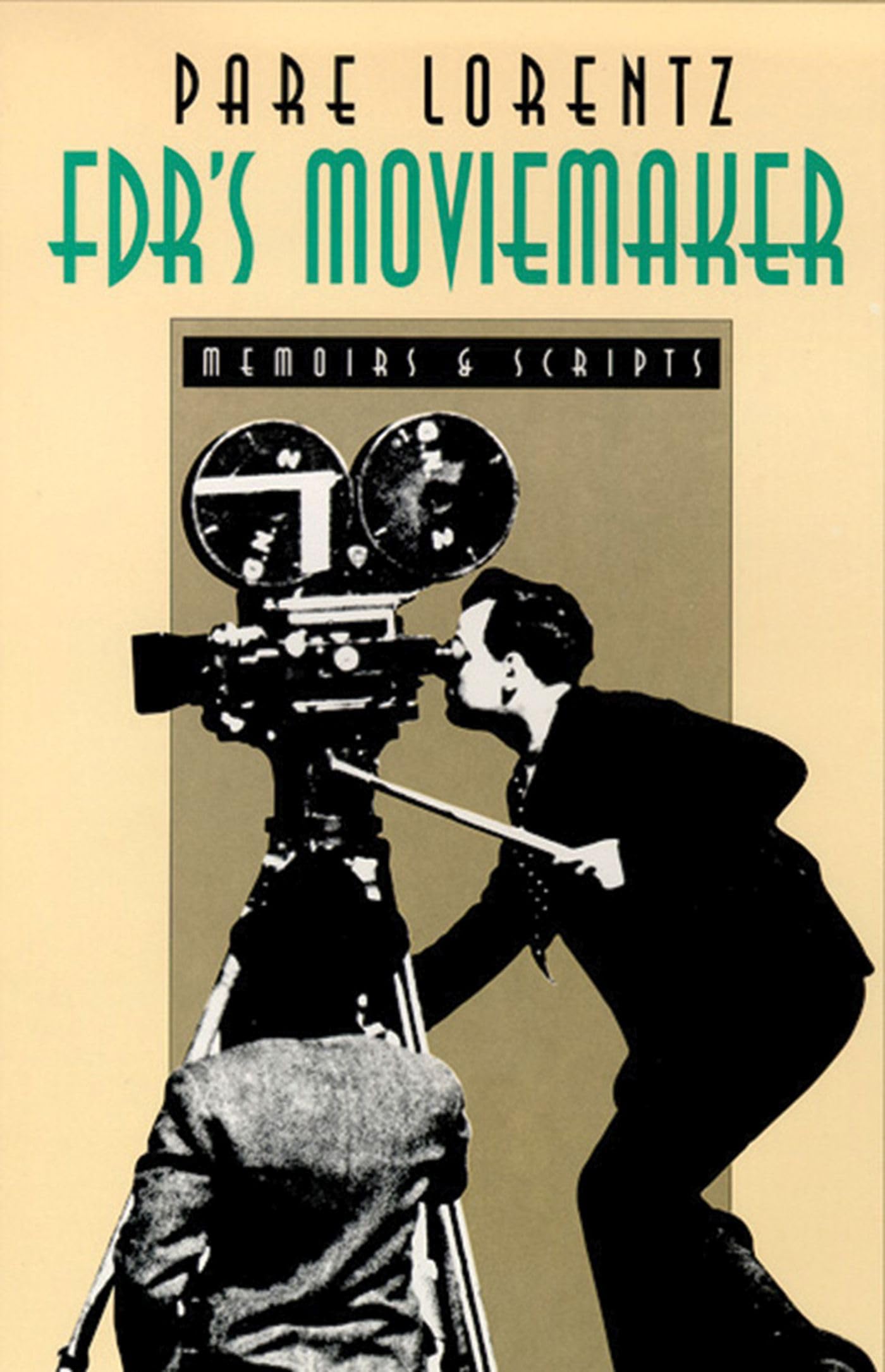
In the depths of the Great Depression, the U.S. Government produced a series of films about the pressing problems facing the nationdrought, flood, poverty, and slums. Starting with a minuscule initial budget of $6,000, Lorentz, a young film critic from New York who had never made a motion picture, was hired to head the project. The first fruit of his labor, The Plow That Broke the Plains, was a moving and dramatic account of the Dust Bowl which met with immediate public and critical acclaim.Lorentz followed up his first film with The River, a history of the Mississippi River Basin and the effect of the Tennessee Valley Authority on the area. Both films demonstrated the potential of the documentary as a powerful impetus to social change, prompting widespread discussion not only of the problems they presented but also of the documentary form itself.As a result of the success of The Plow That Broke the Plains and The River, President Franklin D. Roosevelt established the U.S. Film Service in 1938. A controversial production entity which encountered considerable opposition from Congress and from Hollywood, the Film Service, under Lorentz's direction, began work on documenting the problems of the slum hospitals and infant mortality. Basing his film on a book of the same title, Lorentz made The Fight for Life, a memorable film on prenatal hygiene in the Chicago slums.In spite of inadequate budgets, bureaucratic red tape, professional and industrial jealousy, and outright opposition, Lorentz developed new filming techniques and set new standards in his documentaries, which are regarded as classics today. Along with Robert Flaherty, John Grierson, and Joris Ivens, Lorentz is considered one of the great pioneers of the documentary film, and his films and writings continue to influence subsequent generations of filmmakers worldwide.FDR's Moviemaker, written entirely by Pare Lorentz, combines the autobiographical history of a creative communicator with the full scripts of The Plow That Broke the Plains, The River, Ecce Homo, and The Fight for Life. Woven into Lorentz's materials are previously unpublished communications from John Steinbeck and a narrative of the filmmaker's friendship with that famous author. In addition, FDR's Moviemaker provides some revealing anecdotes of Roosevelt's feelings for motion pictures and the author's association with the fourtime president.
⚠️ WARNING (California Proposition 65):
This product may contain chemicals known to the State of California to cause cancer, birth defects, or other reproductive harm.
For more information, please visit www.P65Warnings.ca.gov.