
Title
Femininity In Flight: A History Of Flight Attendants (Radical Perspectives),New
Sold by Ergodebooks, an authorized reseller.
Returns accepted within 30 days | support@ergodebooks.com
Shipping Information
- Free Standard Shipping — United States only
- Processing Time: 3–5 business days
- Estimated Delivery: 6–10 business days after dispatch
- Double-boxed, fully insured & discreetly packaged
- Tracking number sent via email once dispatched
Returns & Refund
Returns accepted within 30 days of delivery.
Damaged or Defective Item
Free return shipping + replacement or full refund
Wrong Item Received
Free return shipping + replacement or full refund
Change of Mind
Return shipping at customer's expense · 25% restocking fee applies
Payment Option

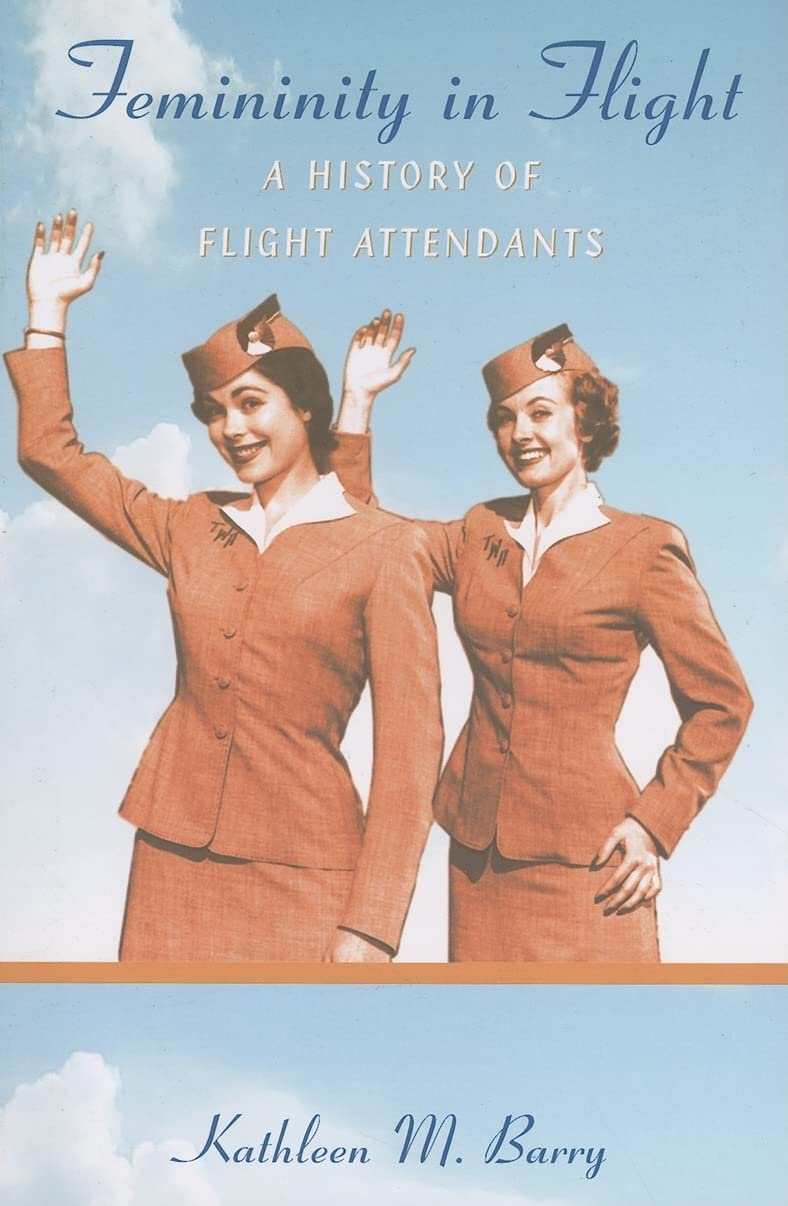
In Her New Chic Outfit, She Looks Like Anything But A Stewardess Working. But Work She Does. Hard, Too. And You Hardly Know It. So Read The Text Of A 1969 Newspaper Advertisement For Delta Airlines Featuring A Picture Of A Brightly Smiling Blond Stewardess Striding Confidently Down The Aisle Of An Airplane Cabin To Deliver A Meal.From The Moment The First Stewardesses Took Flight In 1930, Flight Attendants Became Glamorous Icons Of Femininity. For Decades, Airlines Hired Only Young, Attractive, Unmarried White Women. They Marketed Passenger Service Aloft As An Essentially Feminine Exercise In Exuding Charm, Looking Fabulous, And Providing Comfort. The Actual Work That Flight Attendants Didensuring Passenger Safety, Assuaging Fears, Serving Food And Drinks, All While Conforming To Airlines Strict Rules About Appearancewas Supposed To Appear Effortless; The Better That Stewardesses Performed By Airline Standards, The More Hidden Were Their Skills And Labor. Yet Today Flight Attendants Are Acknowledged Safety Experts; They Have Their Own Unions. Gone Are The Nomarriage Rules, The Mandates To Retire By Thirtytwo. In Femininity In Flight, Kathleen M. Barry Tells The History Of Flight Attendants, Tracing The Evolution Of Their Glamorized Image As Ideal Women And Their Activism As Trade Unionists And Feminists.Barry Argues That Largely Because Their Glamour Obscured Their Labor, Flight Attendants Unionized In The Late 1940S And 1950S To Demand Recognition And Respect As Workers And Selfstyled Professionals. In The 1960S And 1970S, Flight Attendants Were One Of The First Groups To Take Advantage Of New Laws Prohibiting Sex Discrimination. Their Challenges To Airlines Restrictive Employment Policies And Exploitive Marketing Practices (Involving Skimpy Uniforms And Provocative Slogans Such As Fly Me) Made Them Highprofile Critics Of The Cultural Mystification And Economic Devaluing Of Womens Work. Barry Combines Attention To The Political Economy And Technology Of The Airline Industry With Perceptive Readings Of Popular Culture, Newspapers, Industry Publications, And Firstperson Accounts. In So Doing, She Provides A Potent Mix Of Social And Cultural History And A Major Contribution To The History Of Womens Work And Working Womens Activism.
⚠️ WARNING (California Proposition 65):
This product may contain chemicals known to the State of California to cause cancer, birth defects, or other reproductive harm.
For more information, please visit www.P65Warnings.ca.gov.