
Title
Feminism Encounters Traditional Judaism: Resistance and Accommodation (HBI Series on Jewish Women),Used
Sold by Ergodebooks, an authorized reseller.
Returns accepted within 30 days | support@ergodebooks.com
Shipping Information
- Free Standard Shipping — United States only
- Processing Time: 3–5 business days
- Estimated Delivery: 6–10 business days after dispatch
- Double-boxed, fully insured & discreetly packaged
- Tracking number sent via email once dispatched
Returns & Refund
Returns accepted within 30 days of delivery.
Damaged or Defective Item
Free return shipping + replacement or full refund
Wrong Item Received
Free return shipping + replacement or full refund
Change of Mind
Return shipping at customer's expense · 25% restocking fee applies
Payment Option

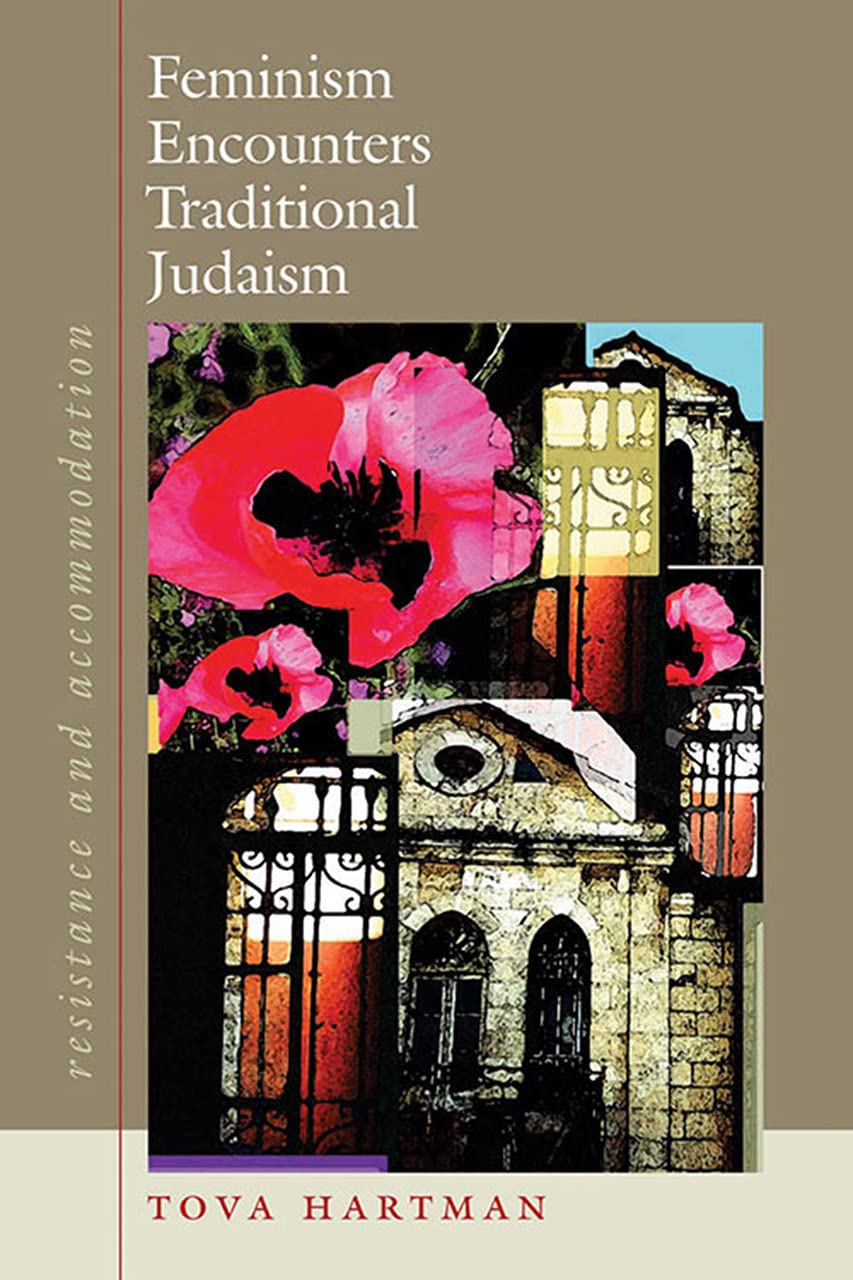
University professor and social activist Tova Hartman, discouraged by failed attempts to make her modern Orthodox synagogue in Jerusalem more inclusive of women, together with other worshippers, set about creating their own own, Shira Hadasha (a new song). Since it opened in 2002, this new synagogues missionto develop a religious community that embraces halakhah (Jewish law), tefillah (prayer), and feminismhas drawn thousands to services. The courageous act of creating the synagogueagainst amazing oddsis testimony to Hartmans own deeply felt commitment to both feminism and modern Orthodox Judaism. The story of the creation and ongoing development of similar partnership minyans in Jerusalem and elsewhere anchors and ties together this books five essays, each of which explores a vital contact point between contemporary feminist thought and aspects of Jewish tradition. Hartman discusses three feminist analyses of Freudian psychology for reading Jewish texts; modesty and the religious male gaze; the backlash against feminism by traditional rabbis; the male imagery in liturgy; and Orthodox women and purity rituals. Throughout, Hartman emphasizes the importance of reinterpretation, asking her readers to view as creative tensions what seem like obvious and insurmountable contradictions between traditional and modern beliefs. Such tensions can offer unexpected connections as well as painful compromises. The conclusion revisits the construction of the synagogue as well as discusses its impediments and actualizing these types of social and religious changes. Hartmans book will speak directly to scholars and students of gender, religion, and psychology, as well as anyone interested in the negotiation of feminism and tradition.
⚠️ WARNING (California Proposition 65):
This product may contain chemicals known to the State of California to cause cancer, birth defects, or other reproductive harm.
For more information, please visit www.P65Warnings.ca.gov.