
Title
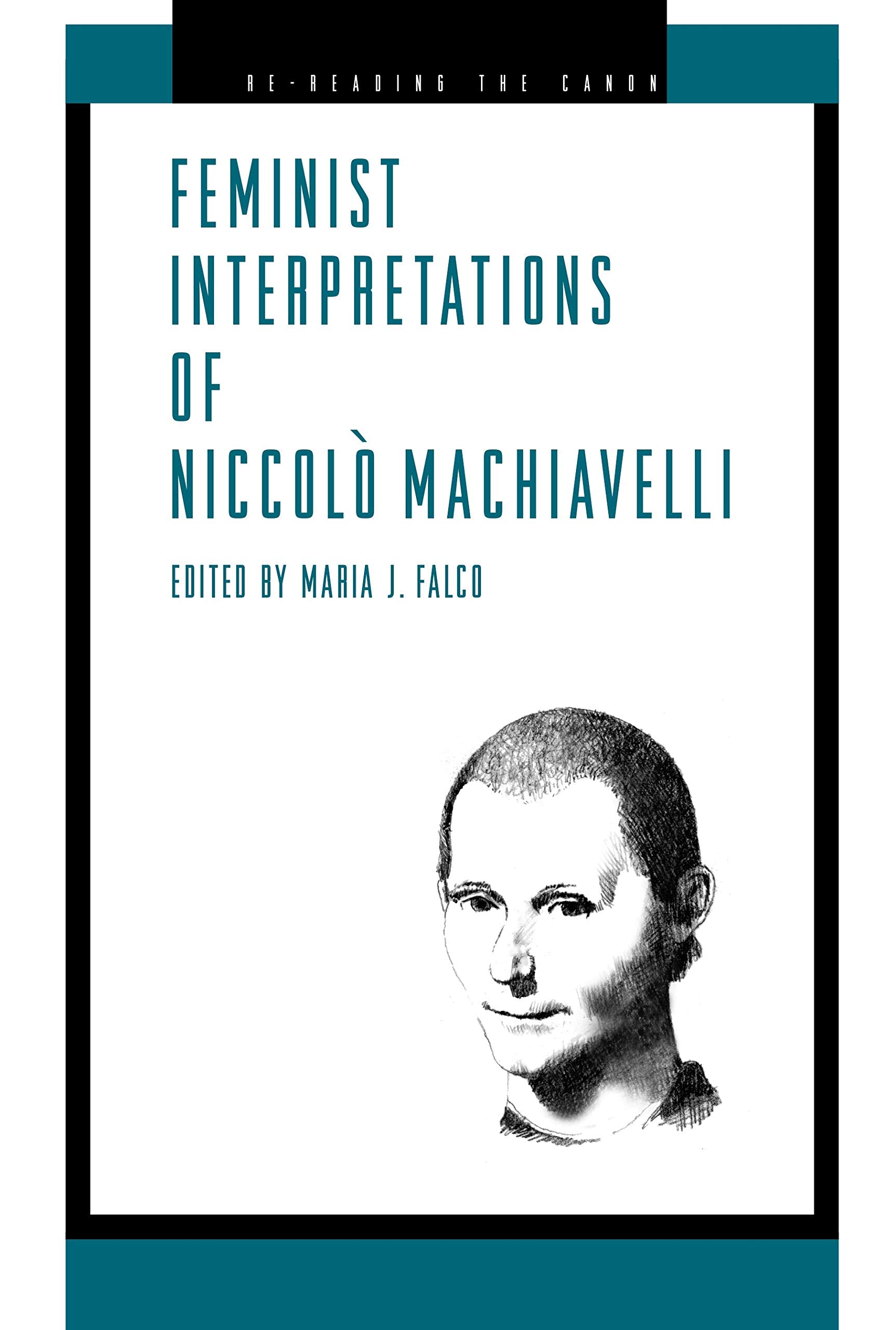
Feminist Interpretations of Niccol Machiavelli (ReReading the Canon),Used
Sold by Ergodebooks, an authorized reseller.
Returns accepted within 30 days | support@ergodebooks.com
Shipping Information
- Free Standard Shipping — United States only
- Processing Time: 3–5 business days
- Estimated Delivery: 6–10 business days after dispatch
- Double-boxed, fully insured & discreetly packaged
- Tracking number sent via email once dispatched
Returns & Refund
Returns accepted within 30 days of delivery.
Damaged or Defective Item
Free return shipping + replacement or full refund
Wrong Item Received
Free return shipping + replacement or full refund
Change of Mind
Return shipping at customer's expense · 25% restocking fee applies
Payment Option

Diplomat, bureaucrat, and practical politician, Niccol Machiavelli served as Second Secretary to the Republic of Florence in the early sixteenth century and became the first major political thinker in the western tradition to make a complete break with the Aristotelian model of politics as a branch of ethics. While The Prince is his most famous work, grounding his reputation as the progenitor of 'Realpolitik,' his many other writings have contributed to a more complex and broader image of the man and his political thought. Thus in recent years Machiavelli has come to be seen as a republican and a protoliberal by some mainstream political theorists, and as an obfuscator of traditional values and ideologies, including gender roles, by feminists and nonfeminists alike.The contributors to this volume, grappling with questions about the position of women in political society, investigate whether or not Machiavelli was truly a misogynist and a protofascist or instead a protofeminist and a democratic republican. Among the themes they explore are the implications of such dichotomies as Fortuna and virt, the public and the private, nature and reason, ends and means, functionality and the common good, as well as the importance of the military to the socialization of citizens, particularly women, to civic life, and the social construction of gender. Some of the contributors even consider the possibility that Machiavelli's approach to ethics provides a special insight that feminists, and women generally, might explore to their benefit.Besides the editor, the contributors are Wendy Brown, Jane Jaquette, Donald McIntosh, Melissa Matthes, Vesna Marcina, Martin Morris, Cary Nederman, Andrea Nicki, Mary O'Brien, Hanna Pitkin, Arlene Saxonhouse, John Shin, R. Claire Snyder, and Catherine Zuckert.
⚠️ WARNING (California Proposition 65):
This product may contain chemicals known to the State of California to cause cancer, birth defects, or other reproductive harm.
For more information, please visit www.P65Warnings.ca.gov.