
Title
Fevers, Feuds, and Diamonds,Used
Processing time: 1-3 days
US Orders Ships in: 3-5 days
International Orders Ships in: 8-12 days
Return Policy: 15-days return on defective items
Payment Option

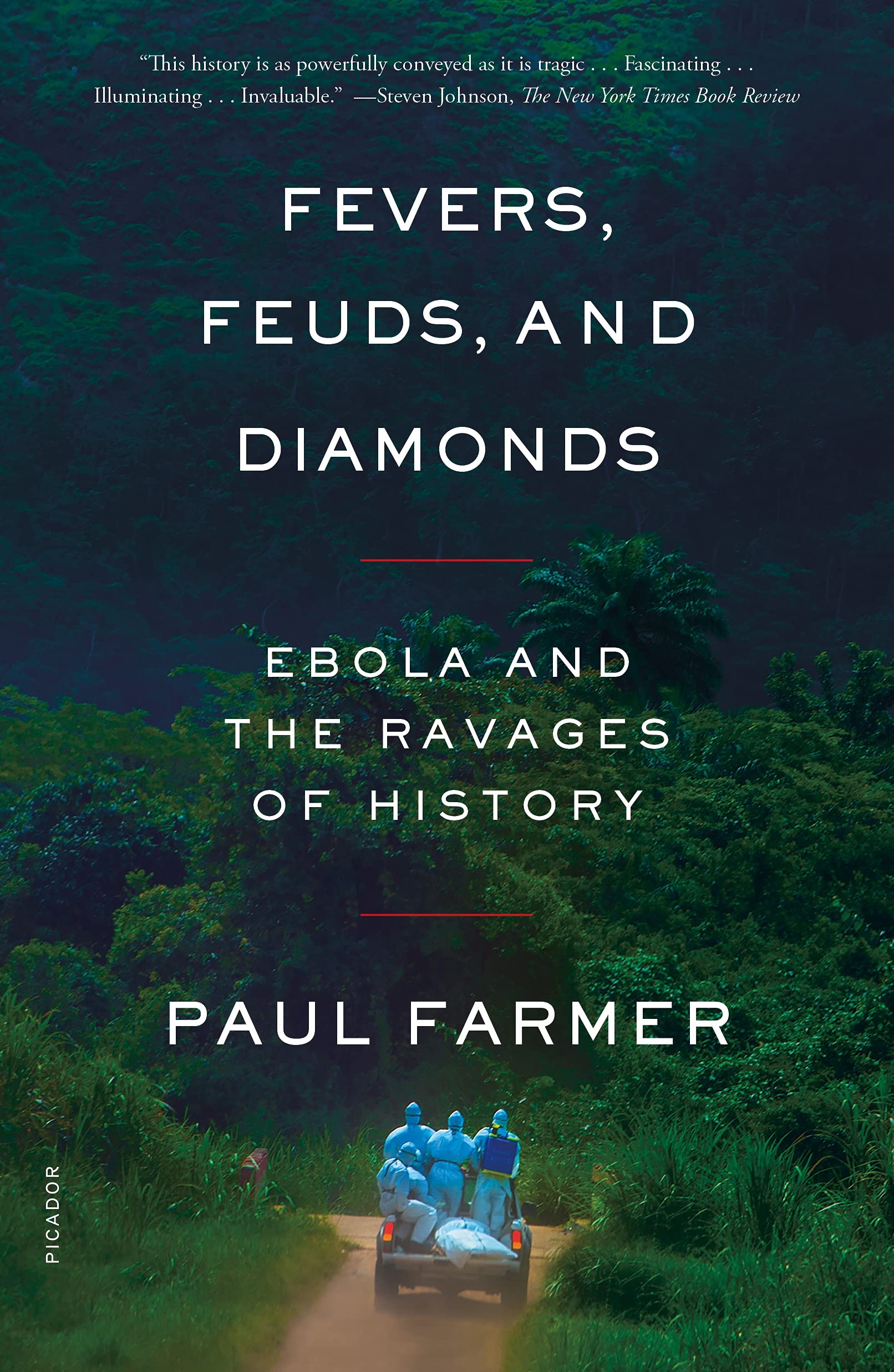
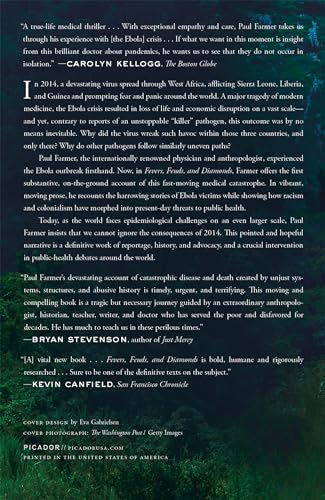
Paul Farmer brings his considerable intellect, empathy, and expertise to bear in this powerful and deeply researched account of the Ebola outbreak that struck West Africa in 2014. It is hard to imagine a more timely or important book. Bill and Melinda Gates"[The] history is as powerfully conveyed as it is tragic . . . Illuminating . . . Invaluable." Steven Johnson, The New York Times Book ReviewIn 2014, Sierra Leone, Liberia, and Guinea suffered the worst epidemic of Ebola in history. The brutal virus spread rapidly through a clinical desert where basic healthcare facilities were few and far between. Causing severe loss of life and economic disruption, the Ebola crisis was a major tragedy of modern medicine. But why did it happen, and what can we learn from it?Paul Farmer, the internationally renowned doctor and anthropologist, experienced the Ebola outbreak firsthandPartners in Health, the organization he founded, was among the international responders. In Fevers, Feuds, and Diamonds, he offers the first substantive account of this frightening, fastmoving episode and its implications. In vibrant prose, Farmer tells the harrowing stories of Ebola victims while showing why the medical response was slow and insufficient. Rebutting misleading claims about the origins of Ebola and why it spread so rapidly, he traces West Africas chronic health failures back to centuries of exploitation and injustice. Under formal colonial rule, disease containment was a priority but care was not and the regions health care woes worsened, with devastating consequences that Farmer traces up to the present.This thorough and hopeful narrative is a definitive work of reportage, history, and advocacy, and a crucial intervention in publichealth discussions around the world.
⚠️ WARNING (California Proposition 65):
This product may contain chemicals known to the State of California to cause cancer, birth defects, or other reproductive harm.
For more information, please visit www.P65Warnings.ca.gov.
- Q: What is the main topic of 'Fevers, Feuds, and Diamonds'? A: 'Fevers, Feuds, and Diamonds' primarily addresses the Ebola outbreak in West Africa in 2014, exploring the medical, social, and historical implications of the crisis.
- Q: Who is the author of the book? A: The author of 'Fevers, Feuds, and Diamonds' is Paul Farmer, an internationally renowned doctor and anthropologist known for his work in global health.
- Q: What is the publication date of this book? A: 'Fevers, Feuds, and Diamonds' was published on November 16, 2021.
- Q: How many pages does 'Fevers, Feuds, and Diamonds' contain? A: The book contains a total of 704 pages.
- Q: What type of binding does this book have? A: 'Fevers, Feuds, and Diamonds' is available in paperback binding.
- Q: Is 'Fevers, Feuds, and Diamonds' suitable for understanding public health issues? A: Yes, the book provides a thorough and insightful analysis of public health discussions, particularly in the context of the Ebola outbreak and its roots in historical injustices.
- Q: Does the book include personal stories from Ebola victims? A: Yes, Paul Farmer includes harrowing personal stories of Ebola victims to illustrate the human impact of the outbreak.
- Q: What are the key themes explored in the book? A: Key themes in 'Fevers, Feuds, and Diamonds' include the medical response to epidemics, historical context of health care failures, and the implications of social justice in health care.
- Q: Is this book recommended for those interested in global health? A: Yes, it is highly recommended for anyone interested in global health issues, particularly in the context of epidemics and their societal impact.
- Q: What makes this book a crucial read for those studying health crises? A: 'Fevers, Feuds, and Diamonds' is a crucial read due to its in-depth research, firsthand accounts, and analysis of systemic health care failures, making it a significant contribution to understanding health crises.