
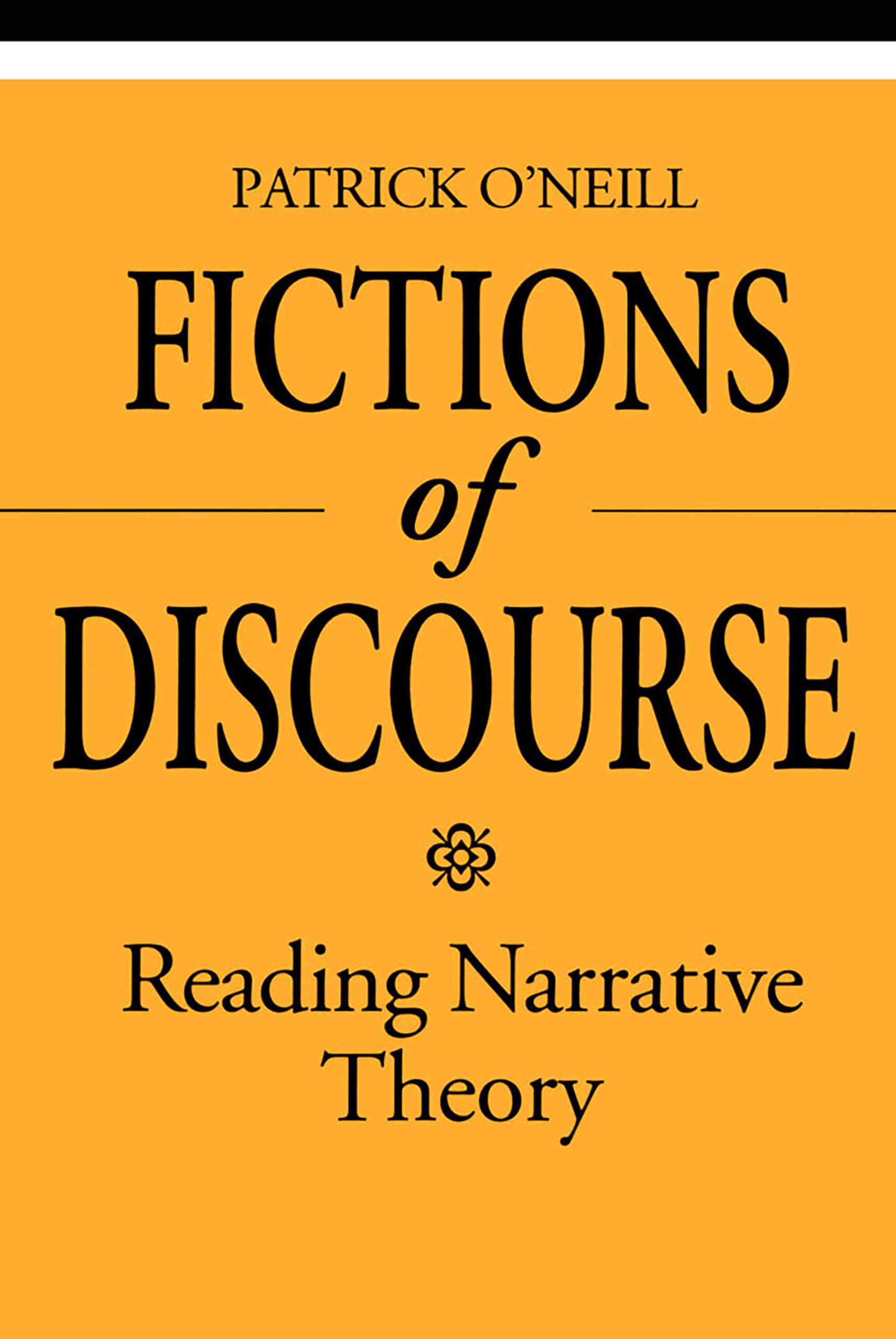
Title
Fictions Of Discourse: Reading Narrative Theory (Theory / Culture),Used
Sold by Ergodebooks, an authorized reseller.
Returns accepted within 30 days | support@ergodebooks.com
Shipping Information
- Free Standard Shipping — United States only
- Processing Time: 3–5 business days
- Estimated Delivery: 6–10 business days after dispatch
- Double-boxed, fully insured & discreetly packaged
- Tracking number sent via email once dispatched
Returns & Refund
Returns accepted within 30 days of delivery.
Damaged or Defective Item
Free return shipping + replacement or full refund
Wrong Item Received
Free return shipping + replacement or full refund
Change of Mind
Return shipping at customer's expense · 25% restocking fee applies
Payment Option

The Fundamental Principle Upon Which Contemporary Narratology Is Constructed Is That Narrative Is An Essentially Divided Endeavour, Involving The Story (What Really Happened') And The Discourse (How What Happened Is Presented'). For Traditional Criticism, The Primary Task Of Narrative Discourse Is Essentially To Convey The Story As Transparently As Possible. Patrick O'Neill Investigates The Extent To Which Narrative Discourse Also Contains The Countertendency Not To Tell The Story, Indeed To Subvert The Story It Tells In Foregrounding Its Own Performance.The Systemic Implications Of This Perspective For Narrative And For Narrative Theory Are Examined Within The Conceptual Framework Provided By Classical French Narratology. O'Neill Ultimately Attempts Both To Expand And To Problematize The Structural Model Of Narrative Proposed By This Centrally Important Tradition Of Narrative Theory.O'Neill Describes Narrative As Functioning In Terms Of Four Interacting Levels: Story, Narrative Text, Narration, And Textuality. Using A Range Of Examples From Homer To Modern European Fiction, He Discusses Traditional Narrative Categories Such As Voice, Focalization, Character, And Setting, And Reinscribes Them Within The Contextual Space Of Author And Reader To Bring Out Narrative'S Potential For Ambiguity And Unreliability. He Also Discusses The Implications Of Translation For Narrative Theory.
⚠️ WARNING (California Proposition 65):
This product may contain chemicals known to the State of California to cause cancer, birth defects, or other reproductive harm.
For more information, please visit www.P65Warnings.ca.gov.
- Q: How many pages does this book have? A: This book contains one hundred ninety pages. It provides an in-depth exploration of narrative theory and its implications.
- Q: What binding type is used for this book? A: This book is available in paperback binding. This makes it lightweight and portable for readers.
- Q: What is the size of this book? A: The dimensions of this book are six inches by nine point zero two inches. It has a thickness of zero point five five inches, making it easy to handle.
- Q: Who is the author of this book? A: The author of this book is Patrick O'Neill. He examines contemporary narratology and its complexities.
- Q: Is this book suitable for beginners in literary theory? A: Yes, this book is suitable for beginners. It introduces fundamental concepts in narrative theory in an accessible way.
- Q: Can I use this book for academic studies? A: Yes, this book is ideal for academic studies. It provides critical insights into narrative analysis and theory.
- Q: How should I care for this book? A: To care for this book, store it in a cool, dry place away from direct sunlight. Avoid bending the pages to keep it in good condition.
- Q: Is this book safe for children? A: No, this book is not specifically targeted for children. It discusses complex themes suitable for adult readers.
- Q: What if I receive a damaged book? A: If you receive a damaged book, contact customer service for assistance. They will guide you through the return process.
- Q: Does this book contain illustrations? A: No, this book does not contain illustrations. It focuses on textual analysis and narrative theory discussions.
- Q: Is this book part of a series? A: No, this book is not part of a series. It stands alone as a comprehensive exploration of narrative theory.
- Q: What genre does this book fall under? A: This book falls under the Criticism and Theory genre. It critically engages with narrative structures and concepts.
- Q: How can I benefit from reading this book? A: You can benefit from reading this book by gaining a deeper understanding of narrative theory. It enhances critical thinking about storytelling.
- Q: Is there a glossary included in this book? A: No, this book does not include a glossary. However, it provides clear explanations of narrative concepts throughout.
- Q: What is the publication date of this book? A: The publication date of this book is not specified in the provided details. It is published by the University of Toronto Press.
- Q: Are there any notable themes discussed in this book? A: Yes, notable themes include narrative ambiguity and the relationship between story and discourse. These concepts are explored in depth.