
Title
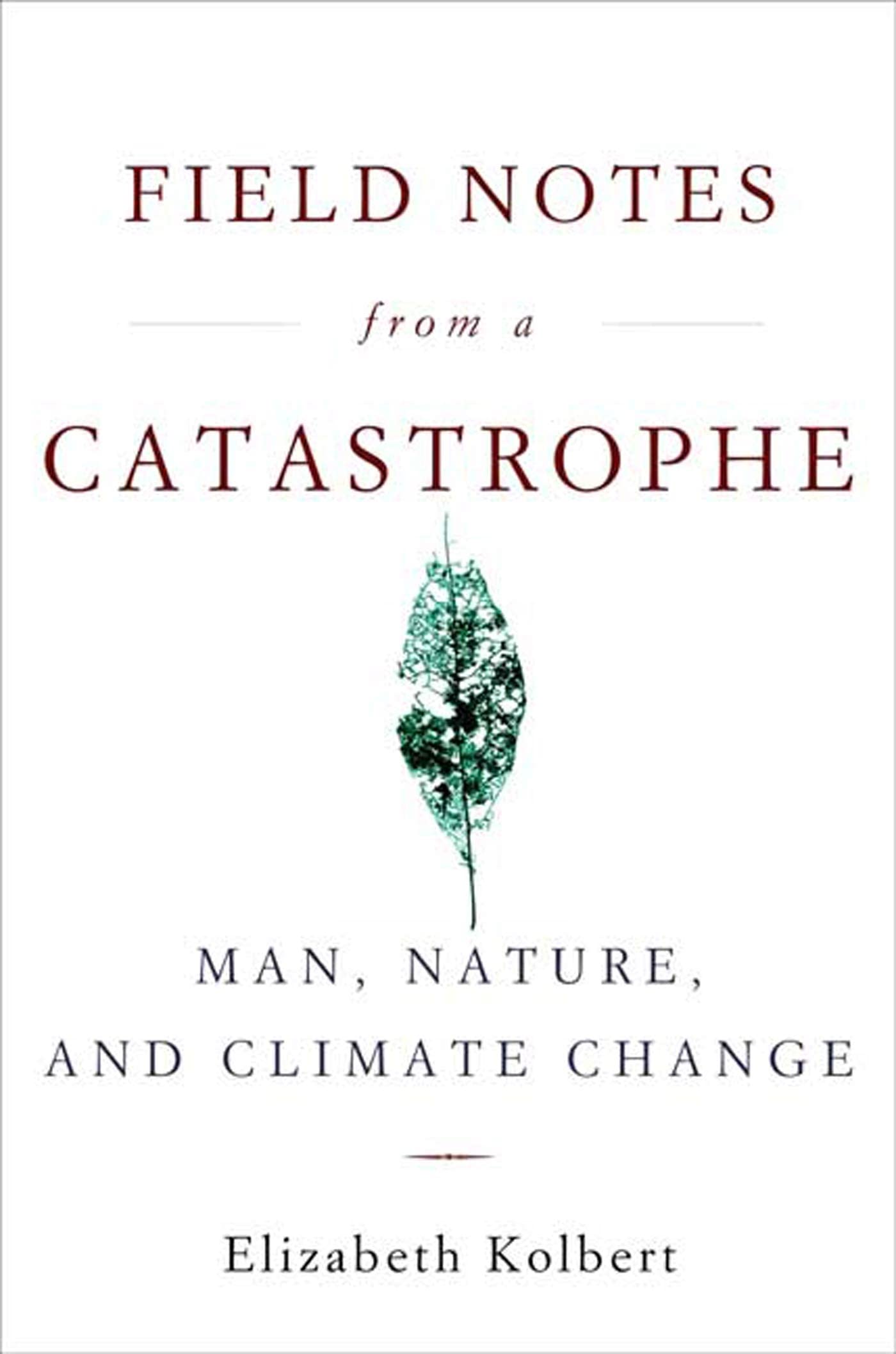
Field Notes from a Catastrophe: Man, Nature, and Climate Change,New
Sold by Ergodebooks, an authorized reseller.
Returns accepted within 30 days | support@ergodebooks.com
Shipping Information
- Free Standard Shipping — United States only
- Processing Time: 3–5 business days
- Estimated Delivery: 6–10 business days after dispatch
- Double-boxed, fully insured & discreetly packaged
- Tracking number sent via email once dispatched
Returns & Refund
Returns accepted within 30 days of delivery.
Damaged or Defective Item
Free return shipping + replacement or full refund
Wrong Item Received
Free return shipping + replacement or full refund
Change of Mind
Return shipping at customer's expense · 25% restocking fee applies
Payment Option

An argument for the urgent danger of global warming in a book that is sure to be as influential as Rachel Carson's Silent Spring.Known for her insightful and thoughtprovoking journalism, New Yorker writer Elizabeth Kolbert now tackles the controversial subject of global warming. Americans have been warned since the late nineteenseventies that the buildup of carbon dioxide in our atmosphere threatens to melt the polar ice sheets and irreversibly change our climate. With little done since then to alter this dangerous course, now is the moment to salvage our future. By the end of the century, the world will likely be hotter than it's been in the last two million years, and the sweeping consequences of this change will determine the future of life on earth for generations to come.In writing that is both clear and unbiased, Kolbert approaches this monumental problem from every angle. She travels to the Arctic, interviews researchers and environmentalists, explains the science and the studies, draws frightening parallels to lost ancient civilizations, unpacks the politics, and presents the personal tales of those who are being affected mostthe people who make their homes near the poles and, in an eerie foreshadowing, are watching their worlds disappear. Growing out of a groundbreaking threepart series for the New Yorker, Field Notes from a Catastrophe brings the environment into the consciousness of the American people and asks what, if anything, can be done, and how we can save our planet.
⚠️ WARNING (California Proposition 65):
This product may contain chemicals known to the State of California to cause cancer, birth defects, or other reproductive harm.
For more information, please visit www.P65Warnings.ca.gov.
- Q: What is the main topic of 'Field Notes from a Catastrophe'? A: 'Field Notes from a Catastrophe' addresses the urgent dangers of global warming and its potential effects on the planet, drawing parallels with historical climate events and emphasizing the need for immediate action.
- Q: Who is the author of this book? A: The author of 'Field Notes from a Catastrophe' is Elizabeth Kolbert, a writer known for her insightful journalism featured in The New Yorker.
- Q: What format is the book available in? A: 'Field Notes from a Catastrophe' is available in hardcover format, providing durability for readers.
- Q: How many pages does the book have? A: The book contains 192 pages, making it a concise yet comprehensive read on climate change.
- Q: What condition is the used book in? A: The used book is in good condition, ensuring that it remains readable and usable for future readers.
- Q: When was 'Field Notes from a Catastrophe' published? A: 'Field Notes from a Catastrophe' was published on March 7, 2006.
- Q: What genre does this book fall under? A: 'Field Notes from a Catastrophe' falls under the genre of climatology, focusing on environmental issues and climate science.
- Q: Does the book provide solutions to climate change? A: Yes, while outlining the problems related to global warming, the book also discusses potential solutions and actions that can be taken to address these urgent issues.
- Q: Is there a specific audience that this book targets? A: The book targets readers interested in environmental issues, climate science, and those looking to understand the implications of climate change on humanity and the planet.
- Q: What type of writing style does Elizabeth Kolbert use in this book? A: Elizabeth Kolbert employs a clear and unbiased writing style, making complex climate science accessible to a general audience.