
Title
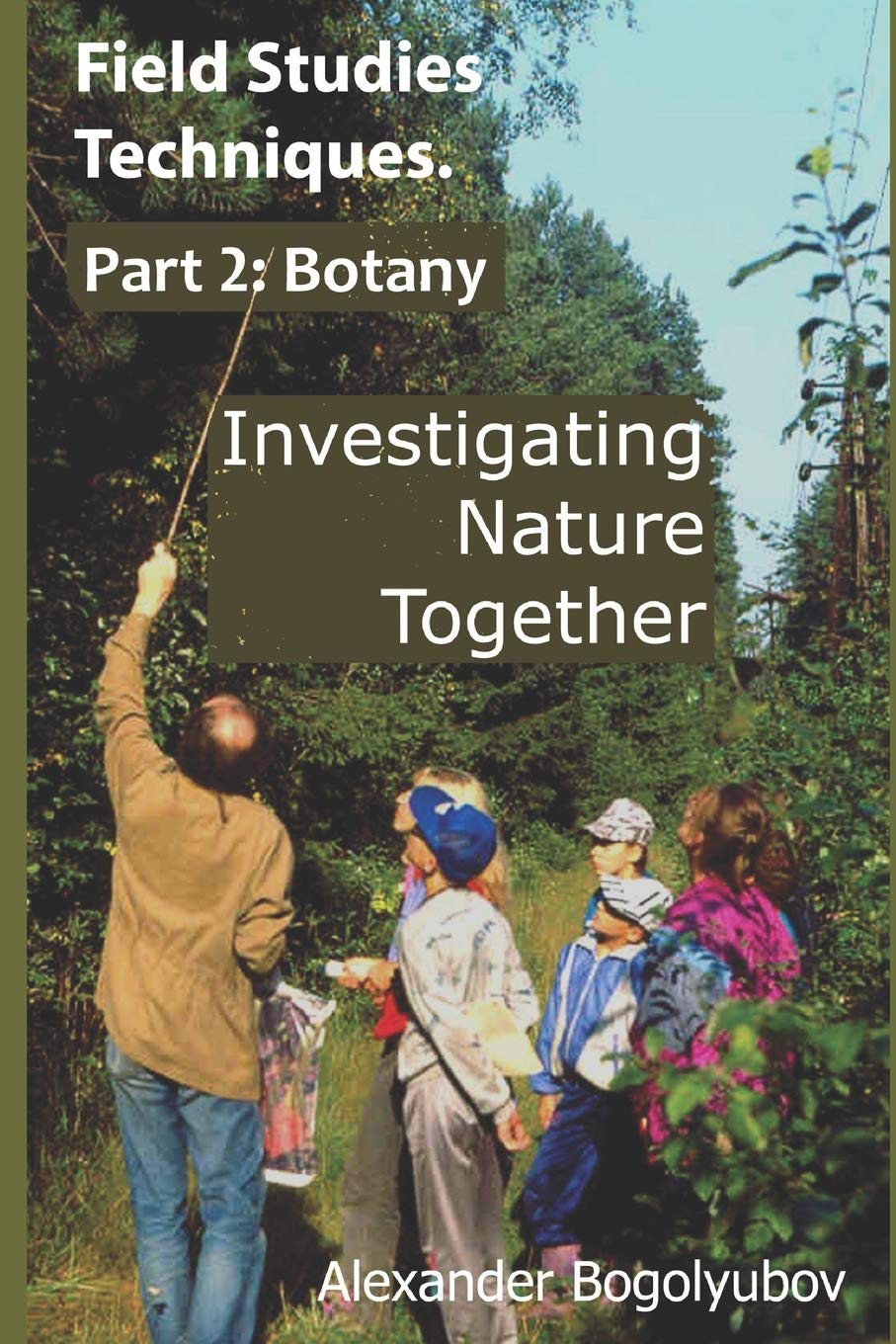
Field Studies Techniques. Part 2. Botany: Investigating Nature Together,Used
Sold by Ergodebooks, an authorized reseller.
Returns accepted within 30 days | support@ergodebooks.com
Shipping Information
- Free Standard Shipping — United States only
- Processing Time: 3–5 business days
- Estimated Delivery: 6–10 business days after dispatch
- Double-boxed, fully insured & discreetly packaged
- Tracking number sent via email once dispatched
Returns & Refund
Returns accepted within 30 days of delivery.
Damaged or Defective Item
Free return shipping + replacement or full refund
Wrong Item Received
Free return shipping + replacement or full refund
Change of Mind
Return shipping at customer's expense · 25% restocking fee applies
Payment Option

This book contains ecological field studies techniques, that can be conducted in wild nature by nonprofessional researchers school and university students together with their teachers, single beginning investigators, families, amateurs of all ages. The whole book "Field Studies Techniques" includes 5 parts/series corresponding to a specific field sciences (Geography, Botany, Zoology, Hydrobiology and Bioindication) with totally 40 environmental study lessons (see below) covered a wide variety of activities in nature which can be arranged in different seasons of the year. Each series contains techniques focusing on practical skills which can be applied in the field research. This book promotes a wide variety of outcomes which correspond to established educational standards in many countries. The ecological field study activities address content standards in the areas of earth science, life science, biology and ecology. Intellectual skill development includes questioning, data collection, analysis and drawing conclusions. This book is addressed to the middle and secondary level science teachers and students, and for all those who would like to investigate local wild nature, to share ecological and cultural information and work together to help create a better environment. This specific book "Field Studies Techniques. Part 2: Botany" is the second in the series. Practical skills include the study of fungi and flora of the local area, making a herbarium, geobotanical study of the forest, as well as study of green plants under snow, primrose ecology and phenology of flowering plants. All these techniques are the basis for the most of zoological and monitoring research projects. The techniques described in this book, were written by Alexander Bogolyubov (19962002), translated into English by Tatiana Tatarinova (2002) and edited by Michael Brody (2003). The list of all field study lessons: I. GEOGRAPHY: Orienteering in the forest Eye Survey of the Field Study Site Mapping Forest Vegetation Geological Exposure Description Minerals and Rocks in Your Area Profile of a River Valley Slope Soil Description Integrated Study on Landscape Profile Description of Small Rivers and Streams Study of Snow Cover Making a Campfire II. BOTANY: Species Composition and Number of Fungi Making a Herbarium Plants in Your Local Environment Vertical Structure of a Forest Green Plants Under Snow Ecology of Early Flowering Plants Phenology of Plant Florescence Assessment of Ecological Features of Meadows Vital State of Coniferous Underbrush Growth Dynamics of Trees Based on Annual Rings Vital State of a Forest Based on Pinetree Analysis Environmental State of the Forest Based on Leaves Asymmetry III. ZOOLOGY: Forest Invertebrates 1: Forest Litter and Wood Forest Invertebrates 2: Grass, Tree Crowns and Air Water Invertebrates in a Local River Species Composition and Abundance of Amphibians Making Feeders and Nesting Boxes Species Composition and Census of Birds Studies of Bird Populations by Different Methods Day Activity of Singing Birds Birds Nesting Life Observation of a Chickadee Flock's Territorial Behavior Winter Mammals Route Census by Footprints Mammal Ecology According to Their Tracks IV. HYDROBIOLOGY: Description of Small Rivers and Streams Physical and Chemical Properties of Natural Waters Water Invertebrates in a Local River Study of Plankton Fauna of Spring Temporary Water Bodies Species Composition and Abundance of Amphibians V. BIOINDICATION: Air Pollution by Lichen Indication Method Vital State of a Forest Based on Pinetree Analysis Ecological Features of Meadows on the Base of Vegetation Cover Environmental State of the Forest Based on Leaves Asymmetry Vital State of Coniferous Underbrush Complex Environmental Assessment of Human Impact on an Area Water Invertebrates and Assessment of River Environmental State
⚠️ WARNING (California Proposition 65):
This product may contain chemicals known to the State of California to cause cancer, birth defects, or other reproductive harm.
For more information, please visit www.P65Warnings.ca.gov.