
Title
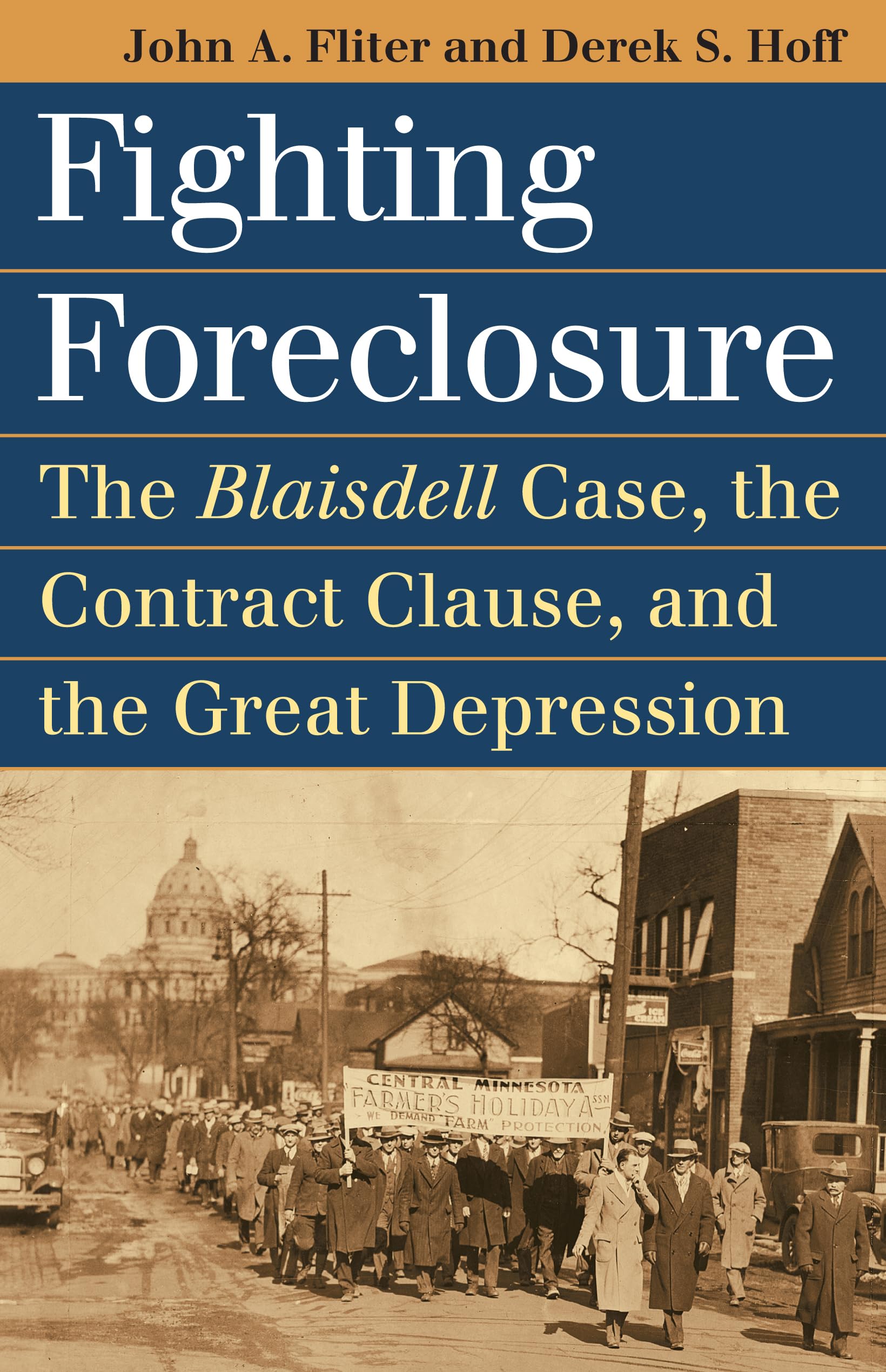
Fighting Foreclosure: The Blaisdell Case, The Contract Clause, And The Great Depression (Landmark Law Cases And American Society,New
Sold by Ergodebooks, an authorized reseller.
Returns accepted within 30 days | support@ergodebooks.com
Shipping Information
- Free Standard Shipping — United States only
- Processing Time: 3–5 business days
- Estimated Delivery: 6–10 business days after dispatch
- Double-boxed, fully insured & discreetly packaged
- Tracking number sent via email once dispatched
Returns & Refund
Returns accepted within 30 days of delivery.
Damaged or Defective Item
Free return shipping + replacement or full refund
Wrong Item Received
Free return shipping + replacement or full refund
Change of Mind
Return shipping at customer's expense · 25% restocking fee applies
Payment Option

In The Depths Of The Great Depression, When Foreclosure Rates Skyrocketed Across The United States, More Than Two Dozen States Passed Mortgageextension Or Adjustment Laws To Help Farmers And Homeowners Keep Their Properties. One Such Statute In Minnesota Led To The Most Important Property Law Case Of Its Time And Still Casts A Long Shadow Upon Constitutional Debates And Our Own Era'S Severe Economic Downturn.Fighting Foreclosure Marks The First Booklength Study Of The Landmark 1934 Supreme Court Decision In Home Building And Loan Association V. Blaisdell, Which, By A 54 Vote, Upheld The Minnesota Mortgage Moratorium Act. On The One Hand, Blaisdell Validated Efforts By States To Offer Legislative Relief To Citizens Struggling To Keep Their Farms And Homes. On The Other, It Caused An Outcry Among Banking Interests And Conservative Legal Theorists, Who Argued That These Laws Violated The Contract Clause Of The Constitution And Interfered With Our Free Market System.In His Majority Opinion, Chief Justice Charles Evans Hughes Argued That The Reasonable And Limited Nature Of The Law And The Unusual Severity Of The Emergency It Addressed Placed It Firmly Within The 'Police Powers' Of The States To Protect The Health And Safety Of The People. In A Strongly Worded Dissent, Justice George Sutherland Argued For A Consistent And Strict Interpretation Of The Contract Clause Regardless Of Economic Exigency.John Fliter And Derek Hoff Provide A Concise History And Analysis Of Not Only This Landmark Case And The Reasoning Behind Its Sharply Divided Decision But Also Of The Entire History Of The Contract Clause. They Trace Closely The Agricultural Crisis, Political Pressures, And Farmerprotest Movement That Produced The Minnesota Law. And Their Study Contributes To Scholarly Debate About The Origins Of The Constitutional Revolution Of 1937, By Which The Supreme Court Accepted The New Deal, As Well As To Public Debates About Constitutional Interpretation And The Role That Government Should Play In Providing Relief To Distressed Citizens.In The Midst Of Our Nation'S Ongoing Suffering From Massive Foreclosures And Bankruptcies, Fighting Foreclosure Also Offers A Potent Reminder That The High Court'S Decisions Often Revolve Around Lives At Risk As Much As Abstract Legal Debates.
⚠️ WARNING (California Proposition 65):
This product may contain chemicals known to the State of California to cause cancer, birth defects, or other reproductive harm.
For more information, please visit www.P65Warnings.ca.gov.