
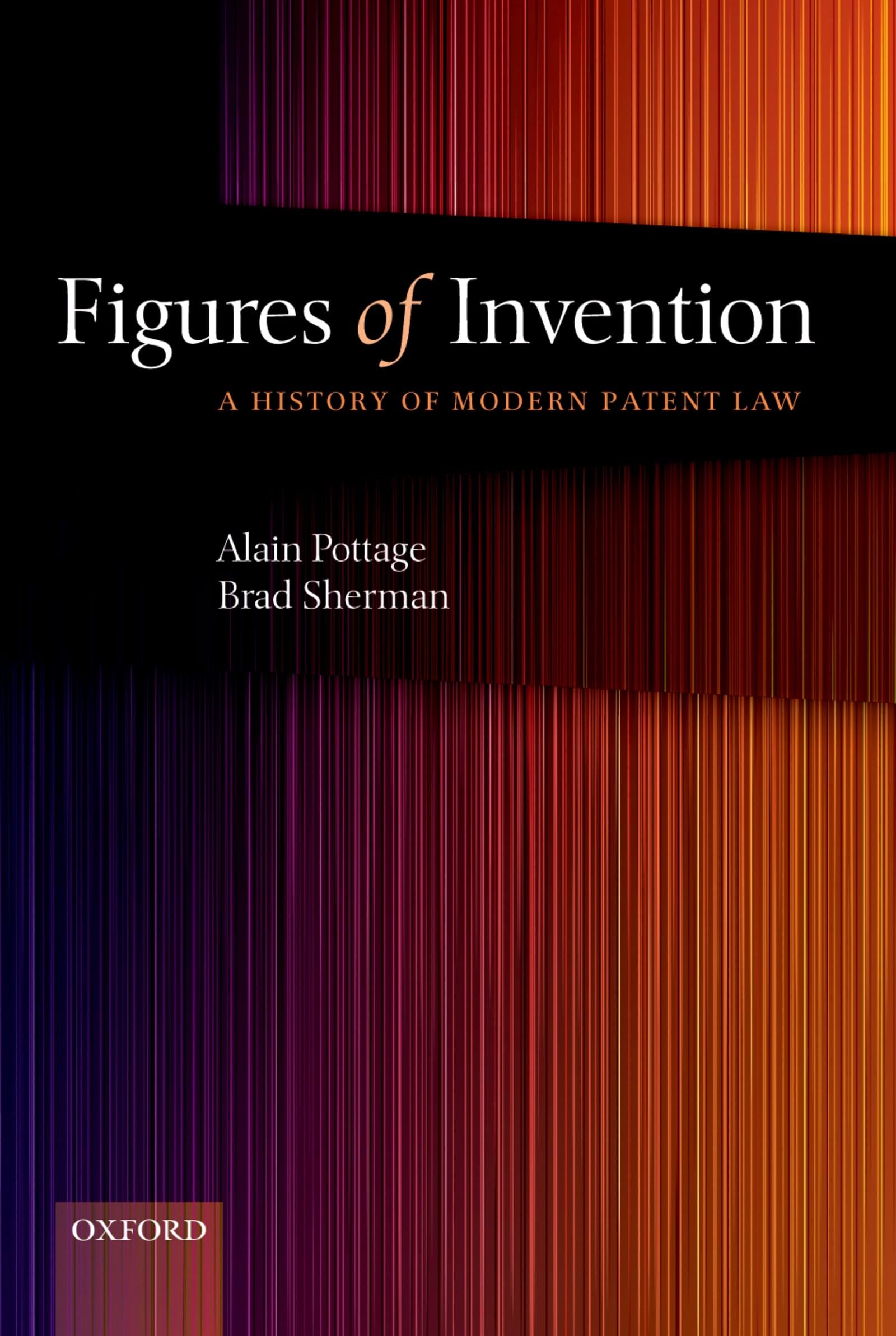
Title
Figures Of Invention: A History Of Modern Patent Law
Sold by Ergodebooks, an authorized reseller.
Returns accepted within 30 days | support@ergodebooks.com
Shipping Information
- Free Standard Shipping — United States only
- Processing Time: 3–5 business days
- Estimated Delivery: 6–10 business days after dispatch
- Double-boxed, fully insured & discreetly packaged
- Tracking number sent via email once dispatched
Returns & Refund
Returns accepted within 30 days of delivery.
Damaged or Defective Item
Free return shipping + replacement or full refund
Wrong Item Received
Free return shipping + replacement or full refund
Change of Mind
Return shipping at customer's expense · 25% restocking fee applies
Payment Option

Taking the invention as its object of study, Figures of Invention develops a radical new perspective on the making of modern patent law. It develops the first extended historical and conceptual exploration of the invention in modern patent law. Focusing primarily on the figures that make inventions material, and on how to overcome the intangibility of ideas, this intellectual challenging book makes explicit a dimension of patent law that is not commonly found in traditional commentaries, treatises and cases.The story is told from the perspective of the material media in which the intangible form of the invention is made visible; namely, models, texts, drawings, and biological specimens. This approach brings to light for the first time some essential formative moments in the history of patent law. For example, Figures of Invention describes the central role that scale models played in the making of nineteenthcentury patent jurisprudence, the largely mythical character of the nineteenthcentury theory that patents texts should function as a means of disclosing inventions, and the profound conceptual changes that emerged from debates as to how to represent and disclose the first biological inventions. At the same time, this historical inquiry also reveals the basic conceptual architecture of modern patent law. The story of how inventions were represented is also the story of the formation of the modern concept of invention, or of the historical processes that shaped the terms in which patent lawyers still apprehend the intangible form of the invention.Although the analysis focuses on the history of patent law in the United States, it develops themes that illuminate the evolution of patent regimes in Europe. In combining close historical analysis with broad thematic reflection, Figures of Invention makes a distinctive contribution both to the field of patent law scholarship and to emerging interdisciplinary debates about the constitution of patent law and of intellectual property in general.
⚠️ WARNING (California Proposition 65):
This product may contain chemicals known to the State of California to cause cancer, birth defects, or other reproductive harm.
For more information, please visit www.P65Warnings.ca.gov.