
Title
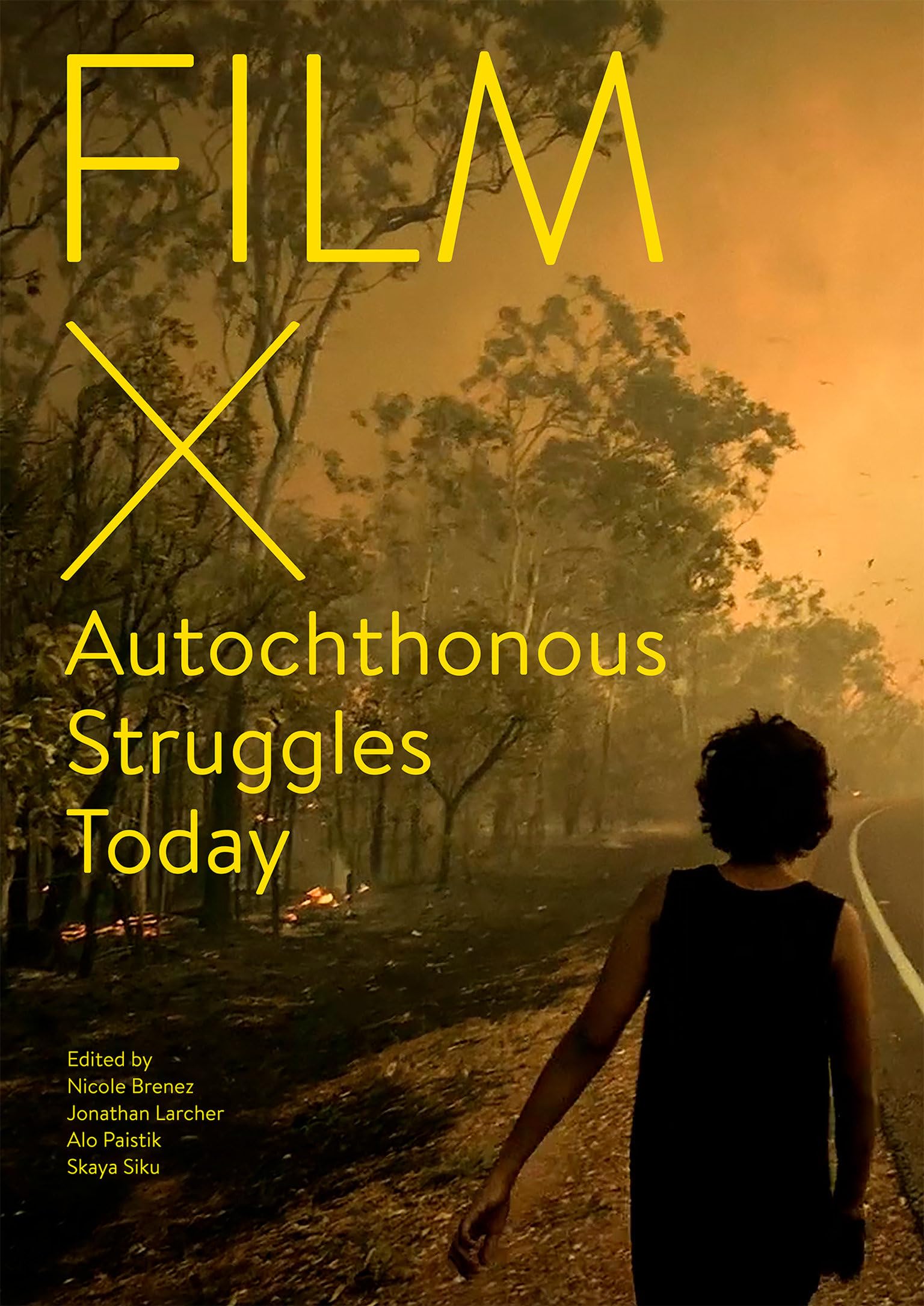
Film X Autochthonous Struggles Today,New
Sold by Ergodebooks, an authorized reseller.
Returns accepted within 30 days | support@ergodebooks.com
Shipping Information
- Free Standard Shipping — United States only
- Processing Time: 3–5 business days
- Estimated Delivery: 6–10 business days after dispatch
- Double-boxed, fully insured & discreetly packaged
- Tracking number sent via email once dispatched
Returns & Refund
Returns accepted within 30 days of delivery.
Damaged or Defective Item
Free return shipping + replacement or full refund
Wrong Item Received
Free return shipping + replacement or full refund
Change of Mind
Return shipping at customer's expense · 25% restocking fee applies
Payment Option

First global exploration of contemporary forms of filmmaking from political and cultural selfdetermination movements of Autochthonous communities and peoples.Film X Autochthonous Struggles Today brings together for the first time filmmakers, activists, film curators, and scholars who share a common interest in filmmaking practices that emerge from and participate in the various situations of struggle that the Autochthonous/Indigenous/Native/Aboriginal/First Nations peoples and communities are involved in worldwide.Starting with the Edison Studios 1894 short films Buffalo Dance and Sioux Ghost Dance, representations of Autochthonous peoples have been part of cinema right from its inception. The vast majority of these representations, however, have not been produced by nor for Autochthonous peoples. In the wake of political and cultural selfdetermination movements of the 1960s and 1970s, and with the gradual democratization and accessibility of the tools of movingimage making, Autochthonous communities have displaced and renewed cinemas forms and means of production, increasingly reclaiming their right for selfrepresentation by way of film and video.Along with the vibrant forms of moving images arising from within the communities, close to their existential concerns, filmmaking has also become a potent tool in Autochthonous struggles. This book answers the need to take a global look at the diverse ways of filmmaking that fight for land rights and against environmental injustice (Brazil, Morocco, Taiwan, USA), that resist neocolonial domination, economic and political exploitation (Japan, Philippines), that offer a counterpoint during low intensity or drawnout armed conflicts (Colombia, Mexico), that invent strategies of counter information and representation (Australia, Canada, Russia, Samoa), and that strive for visibility.
⚠️ WARNING (California Proposition 65):
This product may contain chemicals known to the State of California to cause cancer, birth defects, or other reproductive harm.
For more information, please visit www.P65Warnings.ca.gov.