
Title
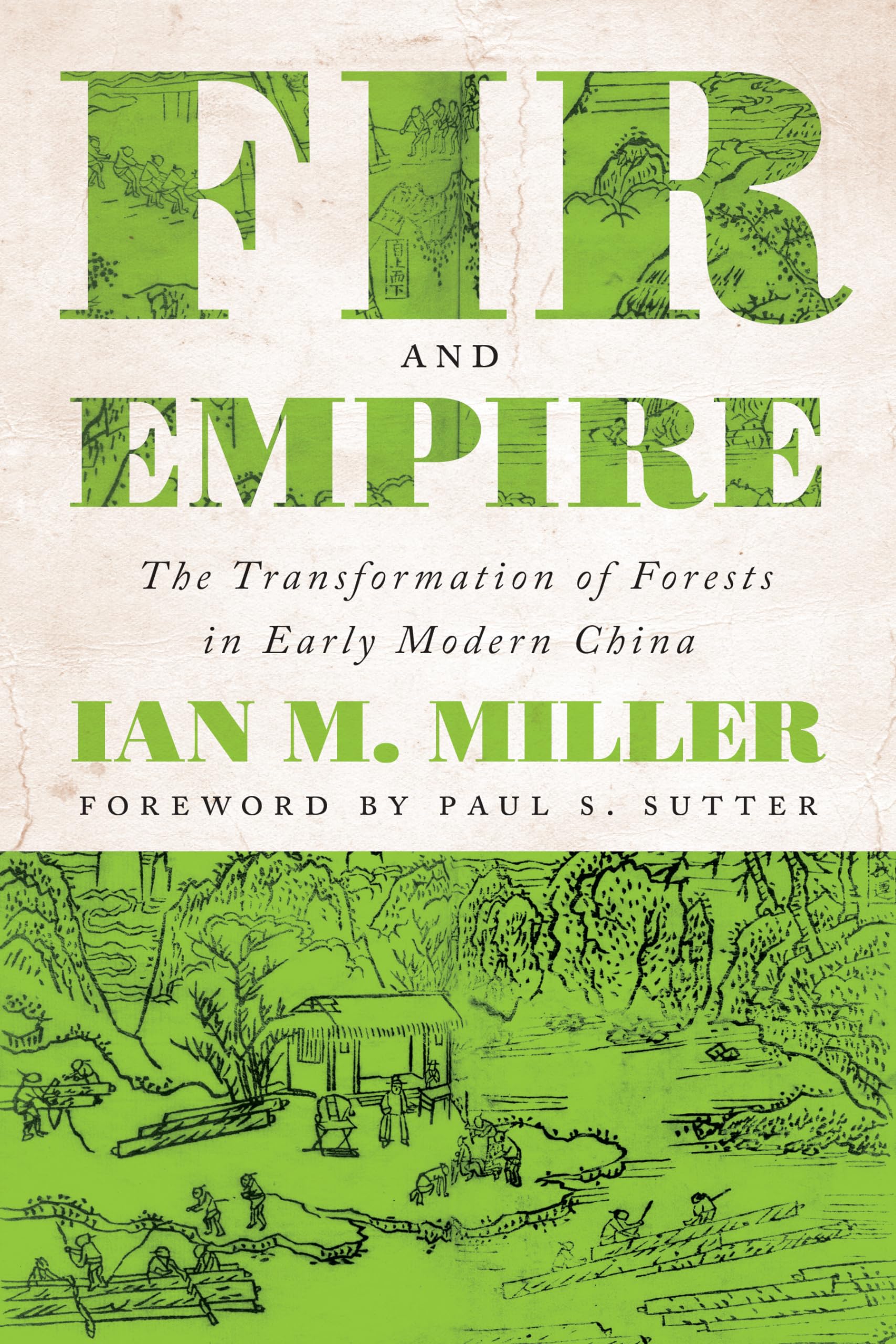
Fir and Empire: The Transformation of Forests in Early Modern China (Weyerhaeuser Environmental Books),Used
Sold by Ergodebooks, an authorized reseller.
Returns accepted within 30 days | support@ergodebooks.com
Shipping Information
- Free Standard Shipping — United States only
- Processing Time: 3–5 business days
- Estimated Delivery: 6–10 business days after dispatch
- Double-boxed, fully insured & discreetly packaged
- Tracking number sent via email once dispatched
Returns & Refund
Returns accepted within 30 days of delivery.
Damaged or Defective Item
Free return shipping + replacement or full refund
Wrong Item Received
Free return shipping + replacement or full refund
Change of Mind
Return shipping at customer's expense · 25% restocking fee applies
Payment Option

A CHOICE OUTSTANDING ACADEMIC TITLEThe disappearance of China's naturally occurring forests is one of the most significant environmental shifts in the country's history, one often blamed on imperial demand for lumber. China's early modern forest history is typically viewed as a centurieslong process of environmental decline, culminating in a nineteenthcentury social and ecological crisis. Pushing back against this narrative of deforestation, Ian Miller charts the rise of timber plantations between about 1000 and 1700, when natural forests were replaced with anthropogenic ones. Miller demonstrates that this form of forest management generally rested on private ownership under relatively distant state oversight and taxation. He further draws on indepth case studies of shipbuilding and imperial logging to argue that this novel landscape was not created through simple extractive pressures, but by attempts to incorporate institutional and ecological complexity into a unified imperial state.Miller uses the emergence of anthropogenic forests in south China to rethink both temporal and spatial frameworks for Chinese history and the nature of Chinese empire. Because dominant European forestry models do not neatly overlap with the nonWestern world, China's history is often left out of global conversations about them; Miller's work rectifies this omission and suggests that in some ways, China's forest system may have worked better than the more familiar European institutions.The open access publication of this book was made possible by a grant from the James P. Geiss and Margaret Y. Hsu Foundation.
⚠️ WARNING (California Proposition 65):
This product may contain chemicals known to the State of California to cause cancer, birth defects, or other reproductive harm.
For more information, please visit www.P65Warnings.ca.gov.