
Title
Fishes (Cambridge Manuals In Archaeology)
Sold by Ergodebooks, an authorized reseller.
Returns accepted within 30 days | support@ergodebooks.com
Shipping Information
- Free Standard Shipping — United States only
- Processing Time: 3–5 business days
- Estimated Delivery: 6–10 business days after dispatch
- Double-boxed, fully insured & discreetly packaged
- Tracking number sent via email once dispatched
Returns & Refund
Returns accepted within 30 days of delivery.
Damaged or Defective Item
Free return shipping + replacement or full refund
Wrong Item Received
Free return shipping + replacement or full refund
Change of Mind
Return shipping at customer's expense · 25% restocking fee applies
Payment Option

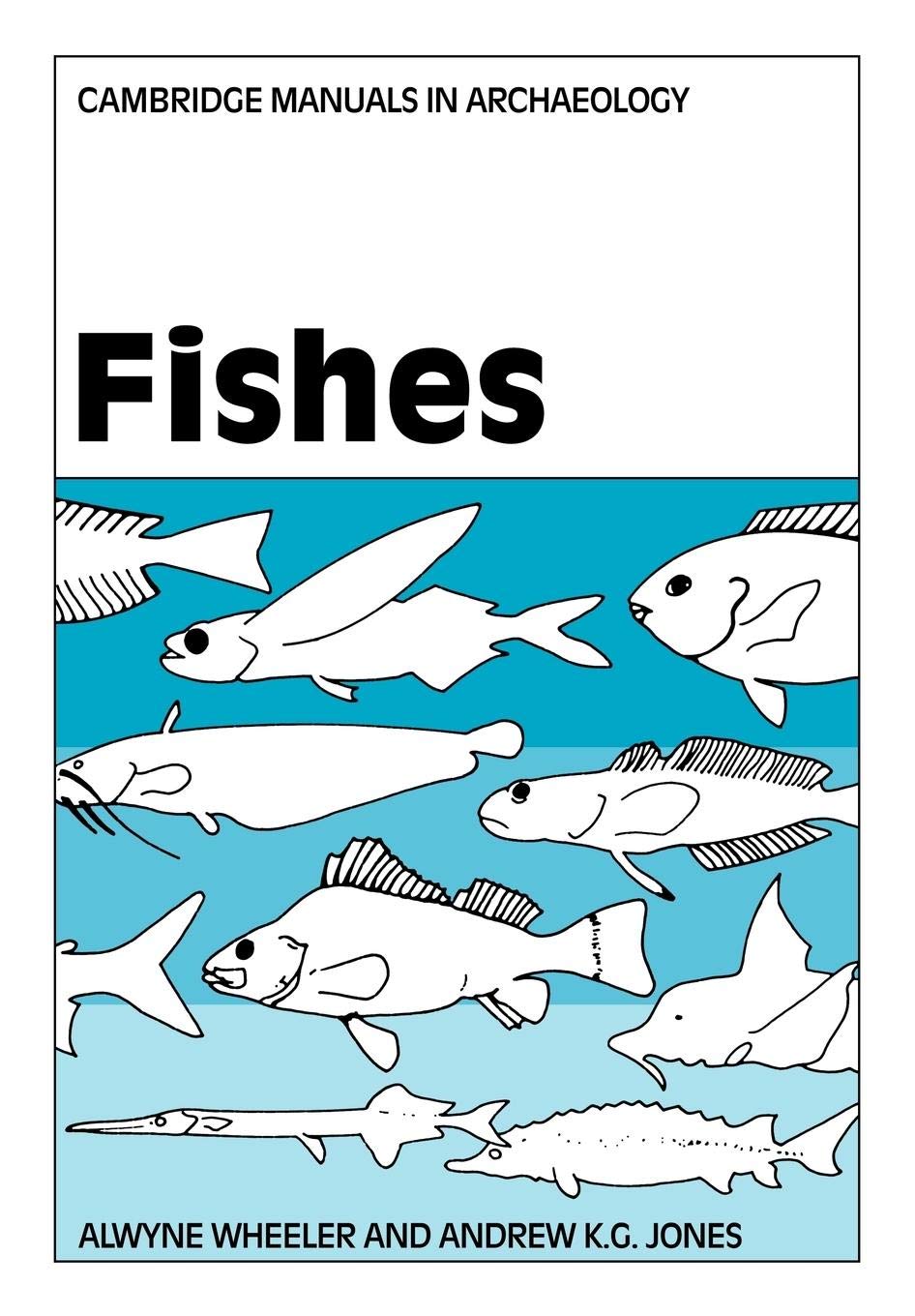
Fishes Is A Practical Introduction To The Study Of Fish Remains From Archaeological Sites, Designed For Archaeologists And Archaezoologists Working In The Field And In The Laboratory. It Provides Clear Guidelines For The Identification Of Remains And How To Interpret Them. The Identification And Analysis Of Fish Remains Unearthed In Archaeological Excavations Are Invaluable Factors In The Reconstruction Of Climate, Economic Strategy, Diet And Trade. In This Manual The Authors Discuss The Importance Of Fishes In Past Economies And In Archaeological Research. They Describe Methods Of Extraction, Fish Anatomy And Classification With The Aid Of Numerous Line Drawings. The Book Also Includes A Survey Of Fishes Most Likely To Be Represented In Archaeological Sites And Describes The Biology Of Fishes In Order To Help Archaeozoologists Make Informed Judgements About Methods Of Exploitation, Size Of Fish Caught And Meat Yield. This Study Is Unique In Making A Realistic Assessment Of Both The Potential And Limitations Of The Use Of Fish Remains In Archaeological Interpretation.
⚠️ WARNING (California Proposition 65):
This product may contain chemicals known to the State of California to cause cancer, birth defects, or other reproductive harm.
For more information, please visit www.P65Warnings.ca.gov.
- Q: What is the size of 'Fishes (Cambridge Manuals in Archaeology)'? A: The book measures six point six nine inches in length, zero point five two inches in width, and nine point six one inches in height.
- Q: How many pages does this book contain? A: This book contains two hundred twenty-eight pages, making it a comprehensive guide for archaeologists.
- Q: What type of binding does this book have? A: The book is available in paperback binding, which is suitable for easy handling and reading.
- Q: Who is the author of 'Fishes'? A: The author of the book is Alwyne Wheeler, a recognized expert in the field of archaeology.
- Q: Is this book suitable for beginners in archaeology? A: Yes, the book is designed as a practical introduction, making it suitable for beginners and professionals alike.
- Q: What topics are covered in this book? A: The book covers the identification of fish remains, their significance in archaeological research, and methods of extraction and analysis.
- Q: How should I store this book to keep it in good condition? A: Store the book in a cool, dry place and keep it away from direct sunlight to prevent fading and damage.
- Q: Can I clean the cover of this book? A: Yes, you can gently wipe the cover with a soft, dry cloth to remove dust and fingerprints.
- Q: What if the book arrives damaged? A: If the book arrives damaged, you can contact customer support for assistance with returns or exchanges.
- Q: Is this book appropriate for children? A: The book is primarily aimed at professionals and students in archaeology, so it may not be suitable for younger children.
- Q: How does this book compare to other archaeology manuals? A: This manual is unique in its focus on fish remains and their importance in archaeological interpretation, offering practical insights.
- Q: What kind of illustrations are included in the book? A: The book includes numerous line drawings that aid in the identification and understanding of fish anatomy and classification.
- Q: Are there any special features in this manual? A: The manual provides clear guidelines for identification, methods of exploitation, and a survey of fish types found in archaeological sites.
- Q: Does this book discuss the economic aspects of fish in archaeology? A: Yes, the book discusses the role of fish in past economies, including trade and dietary strategies.
- Q: What readers can benefit from this book? A: Archaeologists, archaezoologists, and students in related fields will find valuable insights and practical guidance in this book.
- Q: Is there a focus on modern fishing techniques in this book? A: No, the book focuses on archaeological aspects and historical methods rather than modern fishing techniques.