
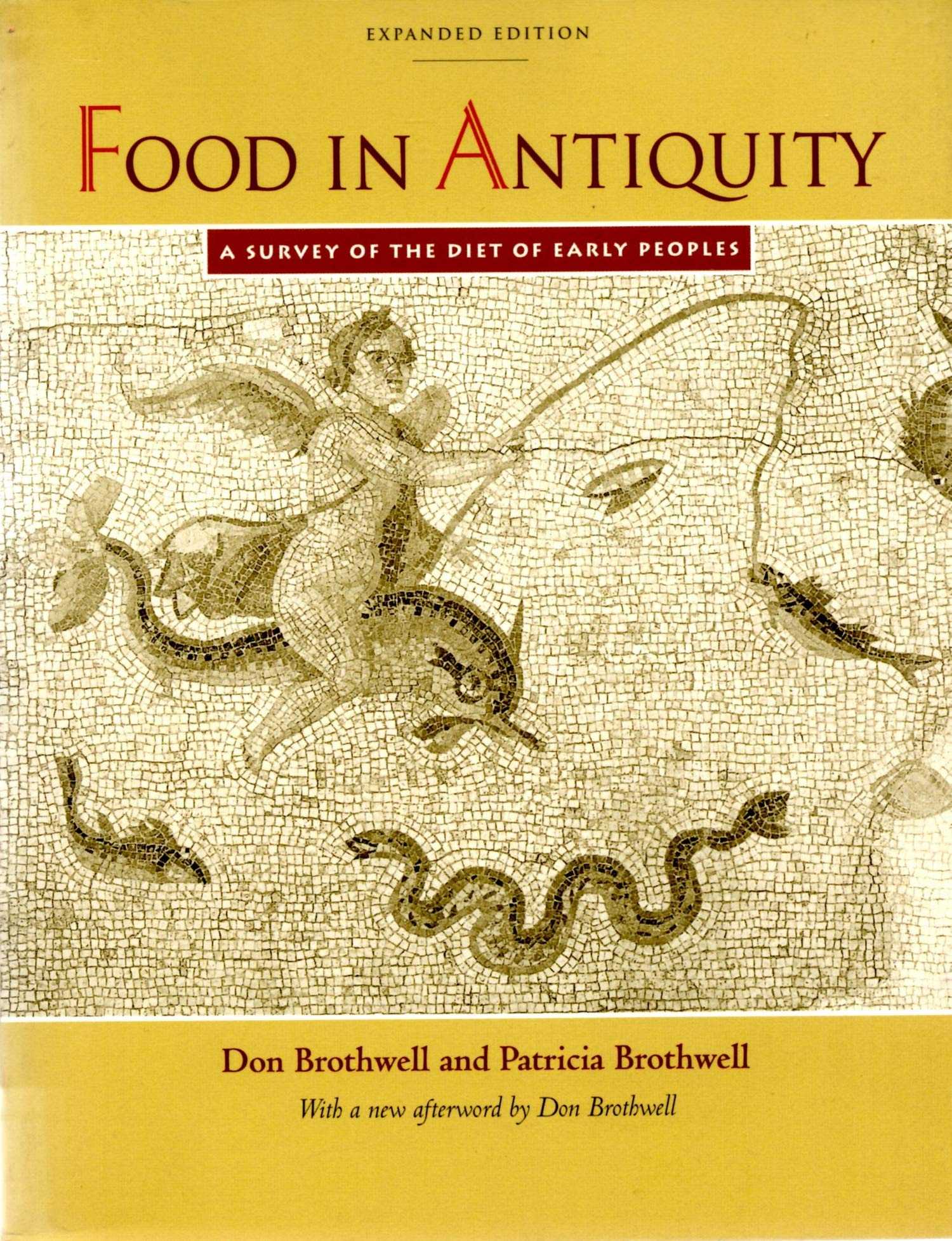
Title
Food In Antiquity: A Survey Of The Diet Of Early Peoples
Sold by Ergodebooks, an authorized reseller.
Returns accepted within 30 days | support@ergodebooks.com
Shipping Information
- Free Standard Shipping — United States only
- Processing Time: 3–5 business days
- Estimated Delivery: 6–10 business days after dispatch
- Double-boxed, fully insured & discreetly packaged
- Tracking number sent via email once dispatched
Returns & Refund
Returns accepted within 30 days of delivery.
Damaged or Defective Item
Free return shipping + replacement or full refund
Wrong Item Received
Free return shipping + replacement or full refund
Change of Mind
Return shipping at customer's expense · 25% restocking fee applies
Payment Option

From Soup To Nutsor Rather, From Vinegar To Locusts.A Worldwide Survey Of The Eating And Drinking Habits Of Early Peoples, Don And Patricia Brothwell'S Food In Antiquity Covers A Broad Geographical Range, From The Early Populations Of Asia, Subsaharan Africa, And The Americas To The More Familiar Egyptian, Mesopotamian, Greek, And Roman Worlds. From Meat, Insects, Vegetables, And Fruits To Cooking Oils And Beverages, Each Source Of Sustenance Is Described In Terms Of Who Consumed It, How It Was Prepared, And How It Spread From Its Region Of Origin.The Brothwells' Treatment Is Engaging And The Information They Provide Fascinating. We Learn, For Example, That The Vinegar Carried By Roman Foot Soldiers On Long Marches Was Mixed With Water To Serve As A Refreshing Drink And That Fungi Provided A Reliable Source Of Diet For Peoples From Europe, Australia, Japan, And China. The Authors Consider Such Questions As Whether St. John Ate Carob Or Actual Locusts In His Desert Hermitage And Whether Ancient Farmers May Have Rid Their Crops Of Troublesome Pests By Capturing And Eating Them. They Discuss Cannibalism, Food Taboos, And The Radical Changes That Took Place With The Introduction Of The Domestication Of Animals. The Story They Unfold Is A Compelling One That Sheds Much Light On The Intricate Detective Work, The Problems And Rewards, Of Biological Research In Archeology.
⚠️ WARNING (California Proposition 65):
This product may contain chemicals known to the State of California to cause cancer, birth defects, or other reproductive harm.
For more information, please visit www.P65Warnings.ca.gov.
- Q: How many pages are in 'Food in Antiquity'? A: This book contains two hundred eighty-eight pages. It provides an extensive look at the dietary habits of early peoples.
- Q: What is the binding type of this book? A: The binding type of 'Food in Antiquity' is paperback. This makes it lightweight and easy to handle for reading.
- Q: What are the dimensions of the book? A: The dimensions of the book are six inches in length, zero point six three inches in width, and nine point zero two inches in height. These measurements make it a convenient size for reading.
- Q: How do I read 'Food in Antiquity' effectively? A: To read this book effectively, approach it chapter by chapter, as it covers various geographical regions and food sources. Take notes on interesting facts to enhance your understanding.
- Q: Is this book suitable for academic study? A: Yes, 'Food in Antiquity' is suitable for academic study. Its detailed exploration of ancient diets makes it a valuable resource for history and anthropology.
- Q: What age group is this book appropriate for? A: This book is appropriate for older teens and adults. Its content is aimed at readers interested in historical diets and archaeological research.
- Q: How should I store 'Food in Antiquity' to keep it in good condition? A: Store 'Food in Antiquity' upright on a shelf in a cool, dry place. Avoid exposure to direct sunlight to prevent fading and damage.
- Q: Can I clean the book if it gets dirty? A: Yes, you can clean the book if it gets dirty. Use a soft, dry cloth to gently wipe the cover and avoid using water or cleaning solutions.
- Q: Is this book safe for children? A: No, this book may not be suitable for young children. Its themes may be complex and more appropriate for mature audiences.
- Q: How do I handle the book to prevent damage? A: To prevent damage, hold the book with both hands and avoid bending the spine. Always turn pages gently to maintain its condition.
- Q: Is there a return policy for this book? A: Yes, there is typically a return policy for this book. Check with the retailer for their specific return guidelines and timeframes.
- Q: What if the book arrives damaged? A: If the book arrives damaged, contact the seller immediately for a replacement or refund. Most retailers have policies in place for damaged goods.
- Q: How does this book compare to other history books on food? A: This book stands out due to its global perspective on ancient diets, making it unique compared to other history books that may focus on a single region.
- Q: Is 'Food in Antiquity' well-researched? A: Yes, 'Food in Antiquity' is well-researched. The authors provide extensive references and insights into archaeological findings about early diets.
- Q: What topics are covered in this book? A: The book covers topics like ancient food preparation, dietary habits, and the role of food in different cultures. It offers a comprehensive overview of historical diets.
- Q: Who are the authors of 'Food in Antiquity'? A: The authors of 'Food in Antiquity' are Don and Patricia Brothwell. They are respected researchers in the field of archaeology and anthropology.