
Title
Food Is Culture (Arts And Traditions Of The Table: Perspectives On Culinary History),Used
Sold by Ergodebooks, an authorized reseller.
Returns accepted within 30 days | support@ergodebooks.com
Shipping Information
- Free Standard Shipping — United States only
- Processing Time: 3–5 business days
- Estimated Delivery: 6–10 business days after dispatch
- Double-boxed, fully insured & discreetly packaged
- Tracking number sent via email once dispatched
Returns & Refund
Returns accepted within 30 days of delivery.
Damaged or Defective Item
Free return shipping + replacement or full refund
Wrong Item Received
Free return shipping + replacement or full refund
Change of Mind
Return shipping at customer's expense · 25% restocking fee applies
Payment Option

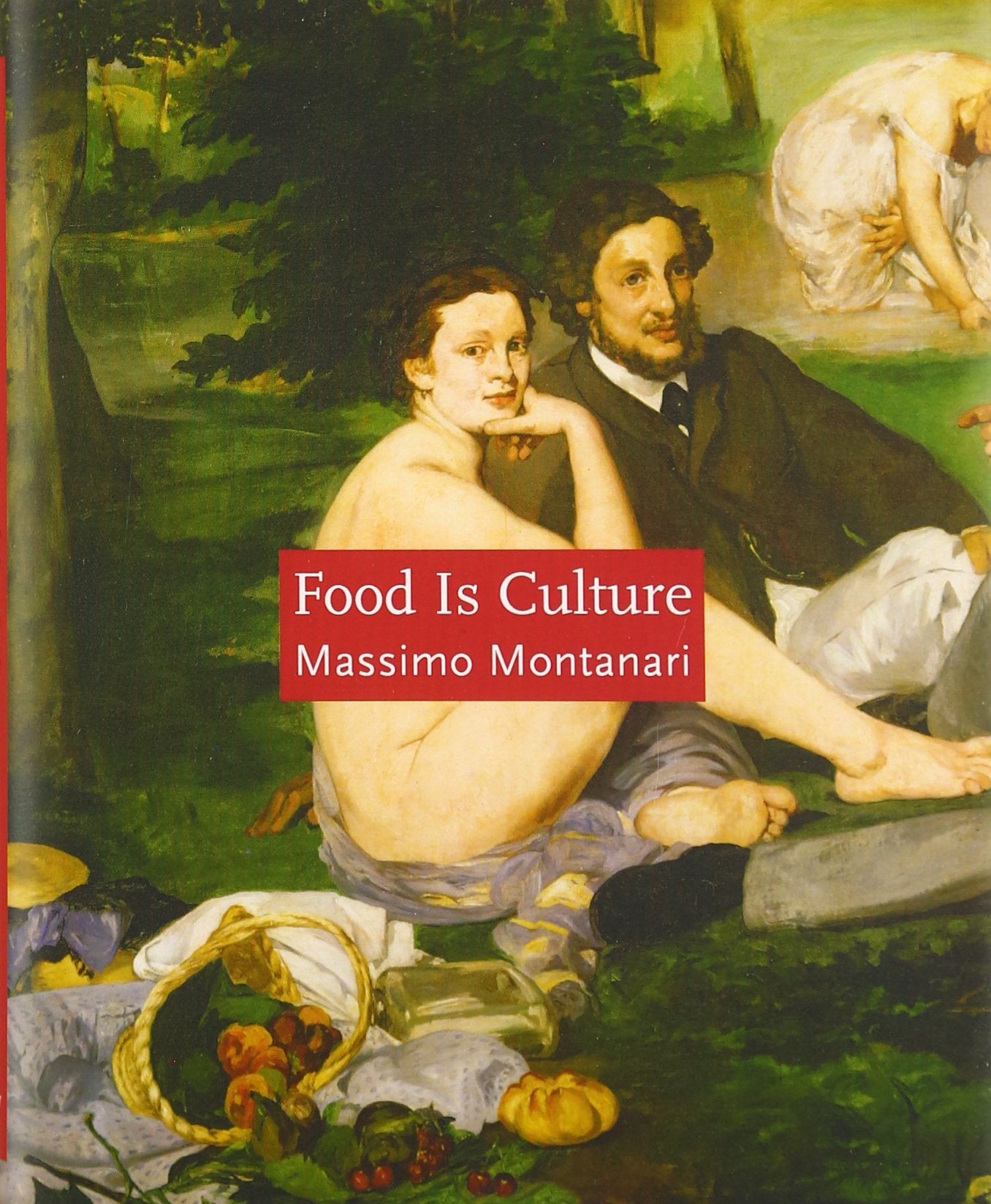
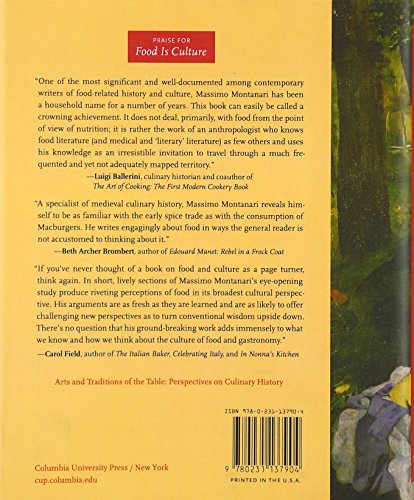
Elegantly Written By A Distinguished Culinary Historian, Food Is Culture Explores The Innovative Premise That Everything Having To Do With Foodits Capture, Cultivation, Preparation, And Consumptionrepresents A Cultural Act. Even The 'Choices' Made By Primitive Hunters And Gatherers Were Determined By A Culture Of Economics (Availability) And Medicine (Digestibility And Nutrition) That Led To The Development Of Specific Social Structures And Traditions.Massimo Montanari Begins With The 'Invention' Of Cooking Which Allowed Humans To Transform Natural, Edible Objects Into Cuisine. Cooking Led To The Creation Of The Kitchen, The Adaptation Of Raw Materials Into Utensils, And The Birth Of Written And Oral Guidelines To Formalize Cooking Techniques Like Roasting, Broiling, And Frying.The Transmission Of Recipes Allowed Food To Acquire Its Own Language And Grow Into A Complex Cultural Product Shaped By Climate, Geography, The Pursuit Of Pleasure, And Later, The Desire For Health. In His History, Montanari Touches On The Spice Trade, The First Agrarian Societies, Renaissance Dishes That Synthesized Different Tastes, And The Analytical Attitude Of The Enlightenment, Which Insisted On The Separation Of Flavors. Brilliantly Researched And Analyzed, He Shows How Food, Once A Practical Necessity, Evolved Into An Indicator Of Social Standing And Religious And Political Identity.Whether He Is Musing On The Origins Of The Fork, The Symbolic Power Of Meat, Cultural Attitudes Toward Hot And Cold Foods, The Connection Between Cuisine And Class, The Symbolic Significance Of Certain Foods, Or The Economical Consequences Of Religious Holidays, Montanari'S Concise Yet Intellectually Rich Reflections Add Another Dimension To The History Of Human Civilization. Entertaining And Surprising, Food Is Culture Is A Fascinating Look At How Food Is The Ultimate Embodiment Of Our Continuing Attempts To Tame, Transform, And Reinterpret Nature.
⚠️ WARNING (California Proposition 65):
This product may contain chemicals known to the State of California to cause cancer, birth defects, or other reproductive harm.
For more information, please visit www.P65Warnings.ca.gov.
- Q: How many pages does 'Food Is Culture' have? A: This book has one hundred sixty-eight pages. It provides an in-depth exploration of culinary history and cultural significance.
- Q: What is the binding type of 'Food Is Culture'? A: This book is hardcover. The durable binding enhances its longevity and makes it suitable for repeated reading.
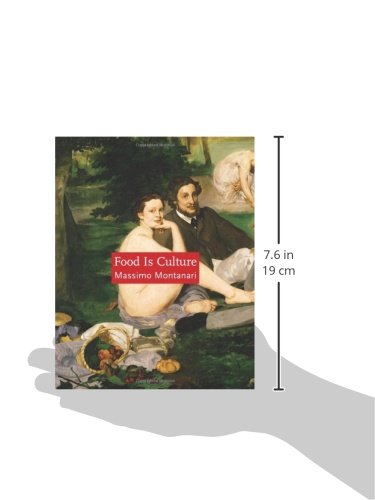
- Q: What are the dimensions of 'Food Is Culture'? A: The dimensions are six point two six inches in length, zero point seven five inches in width, and seven point five two inches in height. These measurements make it a compact book for easy handling.
- Q: Who is the author of 'Food Is Culture'? A: The author is Massimo Montanari. He is a distinguished culinary historian known for his insights into food and culture.
- Q: What is the main theme of 'Food Is Culture'? A: The main theme is the cultural significance of food. It explores how food practices reflect social structures, traditions, and human civilization.
- Q: Is 'Food Is Culture' suitable for all ages? A: Yes, it is suitable for all ages. The content is educational and informative, making it valuable for both adults and young readers interested in culinary history.
- Q: How should I read 'Food Is Culture' to understand its themes? A: To fully appreciate its themes, read it thoughtfully and consider the connections between food, culture, and history. Reflect on the author's insights while exploring your culinary experiences.
- Q: Is there a specific audience for 'Food Is Culture'? A: Yes, it is particularly suitable for readers interested in culinary history, cultural studies, and food anthropology. It appeals to both enthusiasts and scholars.
- Q: How do I care for 'Food Is Culture'? A: To care for this book, store it in a cool, dry place. Avoid exposure to direct sunlight to preserve the cover and pages.
- Q: Can I clean the book if it gets dirty? A: Yes, you can gently wipe the cover with a soft, dry cloth. Avoid using water or cleaning solutions that may damage the book.
- Q: What if I receive a damaged copy of 'Food Is Culture'? A: If you receive a damaged copy, contact the seller for return or exchange options. Most sellers offer customer support for such issues.
- Q: Is there a return policy for 'Food Is Culture'? A: Yes, most retailers have a return policy. Check the specific policy at the place of purchase for details on returns and exchanges.
- Q: How does 'Food Is Culture' compare to other culinary history books? A: This book provides a unique perspective on the cultural aspects of food. Unlike many others, it focuses on the interplay between culinary practices and societal development.
- Q: What makes 'Food Is Culture' a good choice for culinary enthusiasts? A: It is a well-researched book that offers deep insights into the cultural significance of food. Its engaging writing style makes complex topics accessible and enjoyable.
- Q: Are there any illustrations or images in 'Food Is Culture'? A: No, this book primarily focuses on text. It relies on well-crafted narratives to convey its themes rather than illustrations.
- Q: What topics are covered in 'Food Is Culture'? A: Topics include the history of cooking, the evolution of culinary practices, and the sociocultural implications of food. It delves into how food shapes identity and tradition.