
Title
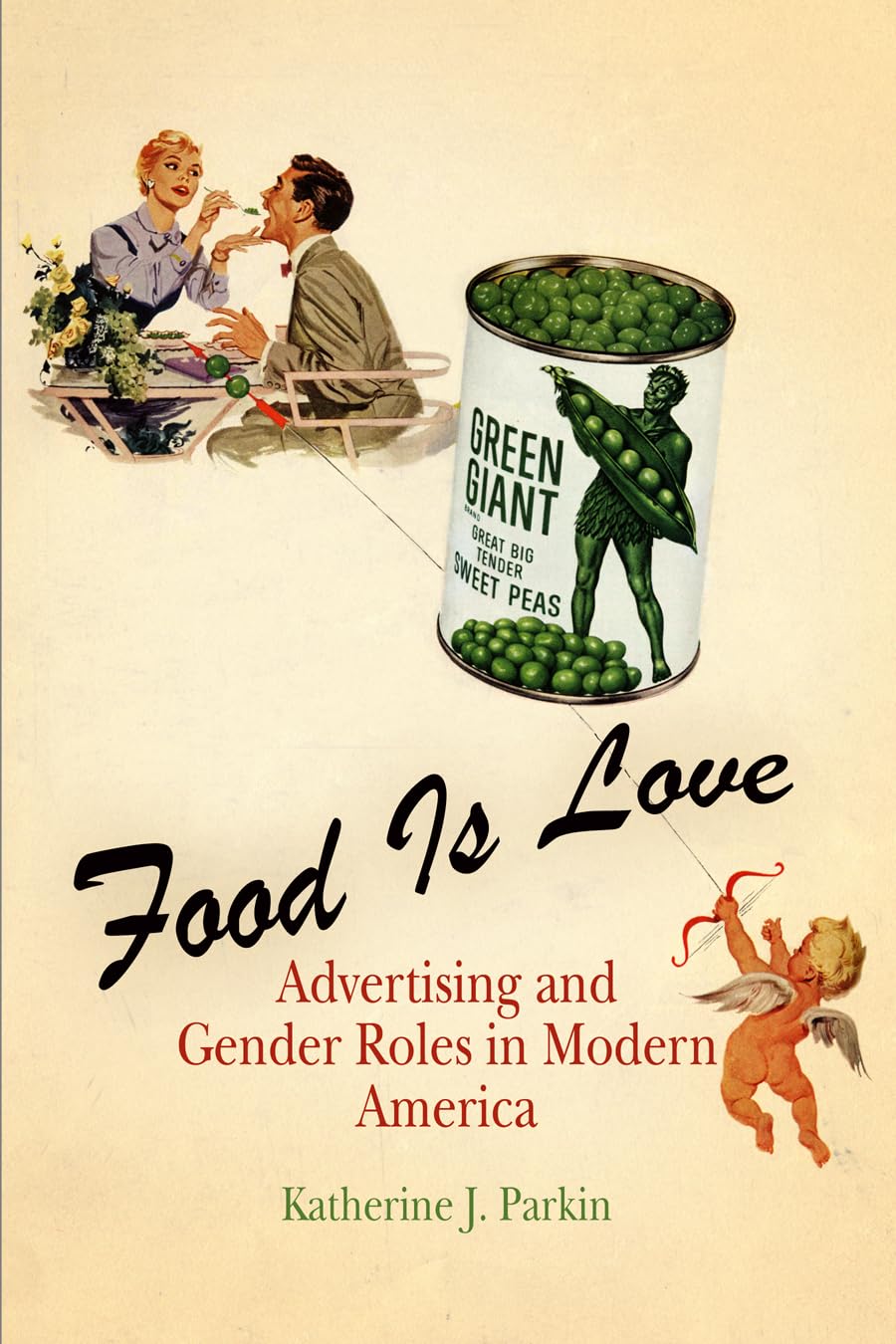
Food Is Love: Advertising And Gender Roles In Modern America,New
Sold by Ergodebooks, an authorized reseller.
Returns accepted within 30 days | support@ergodebooks.com
Shipping Information
- Free Standard Shipping — United States only
- Processing Time: 3–5 business days
- Estimated Delivery: 6–10 business days after dispatch
- Double-boxed, fully insured & discreetly packaged
- Tracking number sent via email once dispatched
Returns & Refund
Returns accepted within 30 days of delivery.
Damaged or Defective Item
Free return shipping + replacement or full refund
Wrong Item Received
Free return shipping + replacement or full refund
Change of Mind
Return shipping at customer's expense · 25% restocking fee applies
Payment Option

Modern Advertising Has Changed Dramatically Since The Early Twentieth Century, But When It Comes To Food, Katherine Parkin Writes, The Message Has Remained Consistent. Advertisers Have Historically Promoted Food In Distinctly Gendered Terms, Returning Repeatedly To Themes That Associated Shopping And Cooking With Women. Foremost Among Them Was That, Regardless Of The Actual Work Involved, Women Should Serve Food To Demonstrate Love For Their Families. In Identifying Shopping And Cooking As An Expression Of Love, Ads Helped To Both Establish And Reinforce The Belief That Kitchen Work Was Women'S Work, Even As Women'S Participation In The Labor Force Dramatically Increased. Alternately Flattering Her Skills As A Homemaker And Preying On Her Insecurities, Advertisers Suggested That Using Their Products Would Give A Woman Irresistible Sexual Allure, A Happy Marriage, And Healthy Children. Ads Also Promised That By Buying And Making The Right Foods, A Woman Could Help Her Family Achieve Social Status, Maintain Its Racial Or Ethnic Identity, And Assimilate Into The American Mainstream.Advertisers Clung Tenaciously To This Paradigm Throughout Great Upheavals In The Patterns Of American Work, Diet, And Gender Roles. To Discover Why, Food Is Love Draws On Thousands Of Ads That Appeared In The Most Popular Magazines Of The Twentieth And Early Twentyfirst Centuries, Including The Ladies' Home Journal, Good Housekeeping, Ebony, And The Saturday Evening Post. The Book Also Cites The Records Of One Of The Nation'S Preeminent Advertising Firms, As Well As The Motivational Research Advertisers Utilized To Reach Their Customers.
⚠️ WARNING (California Proposition 65):
This product may contain chemicals known to the State of California to cause cancer, birth defects, or other reproductive harm.
For more information, please visit www.P65Warnings.ca.gov.