
Title
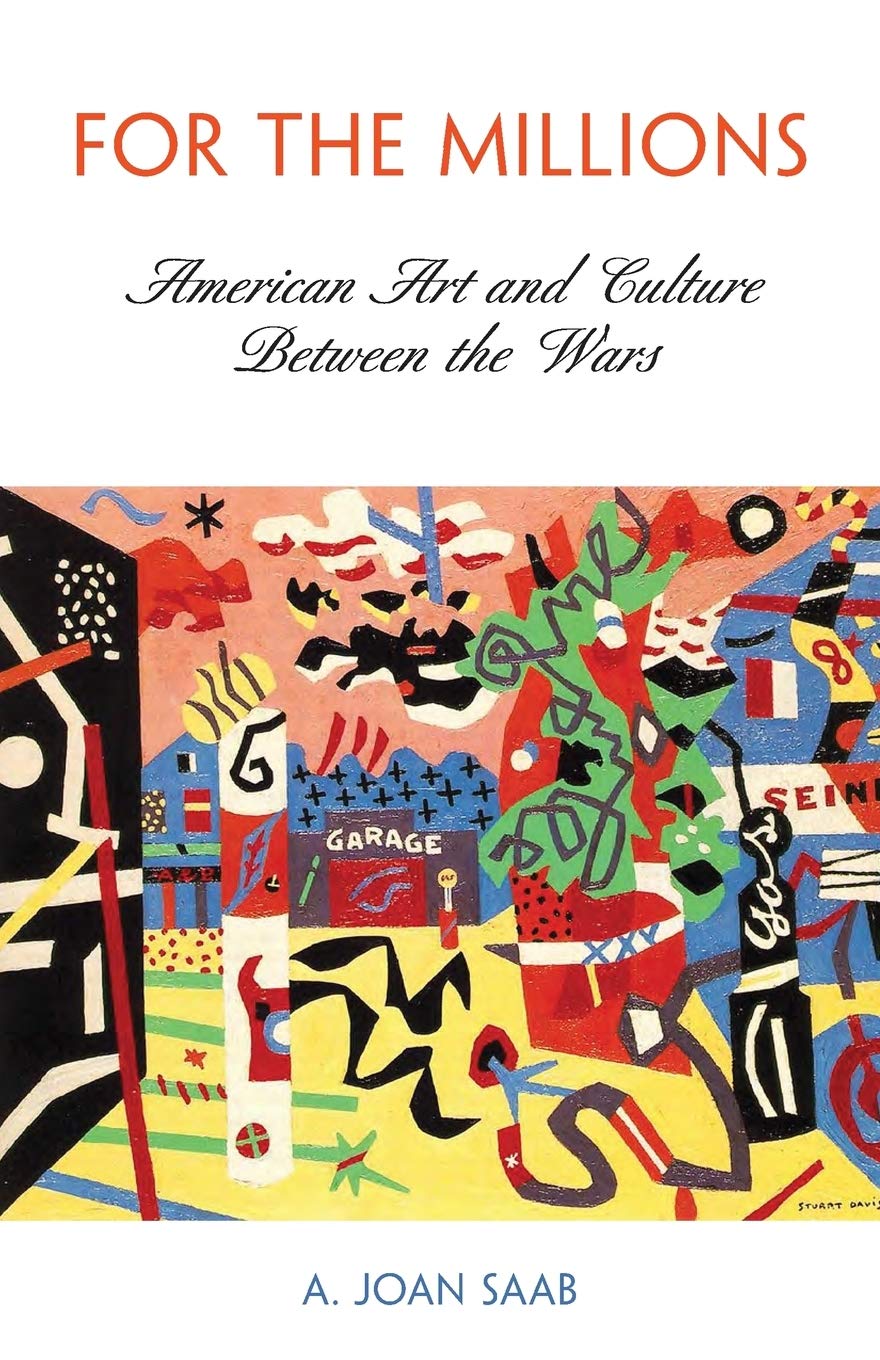
For the Millions: American Art and Culture Between the Wars (The Arts and Intellectual Life in Modern America),New
Sold by Ergodebooks, an authorized reseller.
Returns accepted within 30 days | support@ergodebooks.com
Shipping Information
- Free Standard Shipping — United States only
- Processing Time: 3–5 business days
- Estimated Delivery: 6–10 business days after dispatch
- Double-boxed, fully insured & discreetly packaged
- Tracking number sent via email once dispatched
Returns & Refund
Returns accepted within 30 days of delivery.
Damaged or Defective Item
Free return shipping + replacement or full refund
Wrong Item Received
Free return shipping + replacement or full refund
Change of Mind
Return shipping at customer's expense · 25% restocking fee applies
Payment Option

Looking behind the scenes at the personalities and policies of such venerable institutions as the Federal Arts Project and the Museum of Modern Art, A. Joan Saab discerns a broadbased democratic modernism inspired by and engaged with the social life of the period.In the summer of 1935 President Franklin Delano Roosevelt established the Federal Arts Project under the aegis of the Works Progress Administration. The project's goal was, in the words of its director Holger Cahill, to 'get people all over the United States interested in art as an everyday part of living and working.' In addition to this endeavor, the project would also provide work for artists who, as a project press release stated, 'had been hit just as hard by unemployment as any other producing worker.' Meanwhile, as director of the newly opened Museum of Modern Art, Alfred Barr was instituting his philosophy of 'democracy in design' through a series of ambitious exhibits that focused on informed consumption in the marketplace.The idea of treating the artist as a 'producing worker' and art as an 'everyday part of living and working' was a novel one in 1935 and illustrated a broad shift in the social roles of both. Prior to the 1930s, art in America had resided principally in the domain of the cultural elite. The upheaval of the Depression era, however, challenged this authority. Throughout the decade, government officials, museum professionals, educators, and artists worked together to determine not only what role artists would play in society but also what forms democratic art would take and how widely it would be disseminated, thus fundamentally redefining the relationship between art and society. This egalitarian artistic movement of the 1930s stands as a significant moment in the ongoing dialogue over the relationship of art and public life that continues today.
⚠️ WARNING (California Proposition 65):
This product may contain chemicals known to the State of California to cause cancer, birth defects, or other reproductive harm.
For more information, please visit www.P65Warnings.ca.gov.