If you have any questions, you are always welcome to contact us. We'll get back to you as soon as possible, withing 24 hours on weekdays.
Customer service
All questions about your order, return and delivery must be sent to our customer service team by e-mail at yourstore@yourdomain.com
Sale & Press
If you are interested in selling our products, need more information about our brand or wish to make a collaboration, please contact us at press@yourdomain.com
Help
If you have any questions, you are always welcome to contact us. We'll get back to you as soon as possible, withing 24 hours on weekdays.
Customer service
All questions about your order, return and delivery must be sent to our customer service team by e-mail at yourstore@yourdomain.com
Sale & Press
If you are interested in selling our products, need more information about our brand or wish to make a collaboration, please contact us at press@yourdomain.com
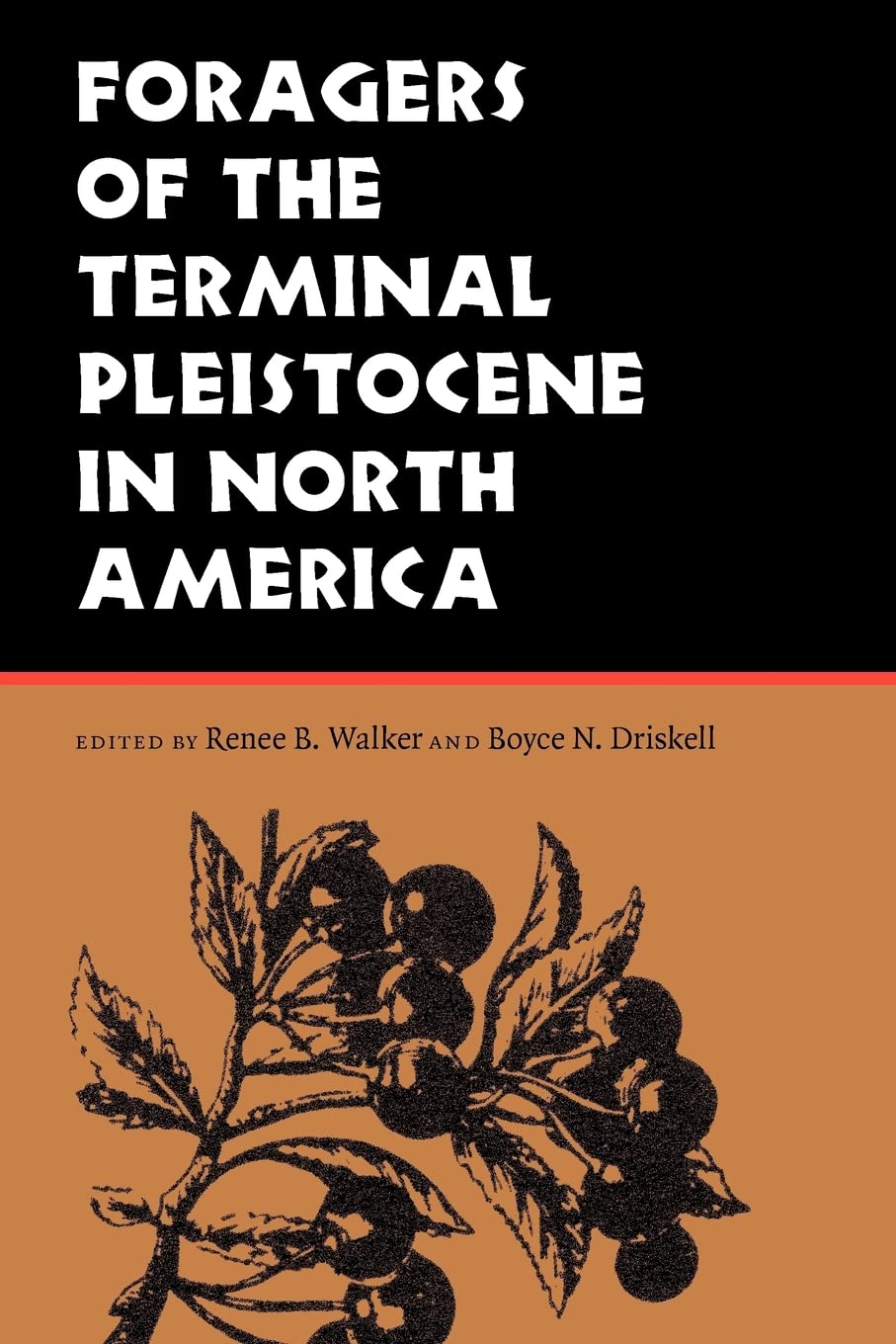
These essays cast new light on Paleoindians, the first settlers of North America. Recent research strongly suggests that biggame hunting was but one of the subsistence strategies the first humans in the New World employed and that they also relied on foraging and fishing.Written in an accessible, engaging style, these essays examine how migratory waterfowl routes may represent one impetus for human migration into the Americas, analyze settlement and subsistence in the major regions of the United States, and reinvestigate mammoth and bison bone beds in the western Plains and the Rocky Mountains to illuminate the unique nature of Paleoindian hunting in that region. The first study of Paleoindian subsistence on a continental scale, this collection posits regional models of subsistence and mobility that take into account the constraints and opportunities for resource exploitation within each region: Research on the Gault site in Texas reveals new subsistence strategies there, while data from the ShawneeMinisink site in Pennsylvania connects seed collecting with fishing in that region, and plant remains from Dust Cave in Alabama provide important information about subsistence.With research ranging from fauna and lithic data from Paleoindian campsites in Florida that illuminate subsistence technologies and late megamammals to an analysis of plant remains from the eastern United States that results in a revised scheme of environmental changes, this volume serves as an important sourcebook and guide to the latest research on the first humans in North America.
⚠️ WARNING (California Proposition 65):
This product may contain chemicals known to the State of California to cause cancer,
birth defects, or other reproductive harm.
For MAP (Minimum Advertised Price) violations and Intellectual Property (IP) or Trademark concerns, please contact:
support@ergodebooks.com
⚠️ California Proposition 65 Warning: Some products sold on this website may expose you to chemicals known to the State of California to cause cancer, birth defects, or other reproductive harm. For more information, visit www.P65Warnings.ca.gov.