
Title
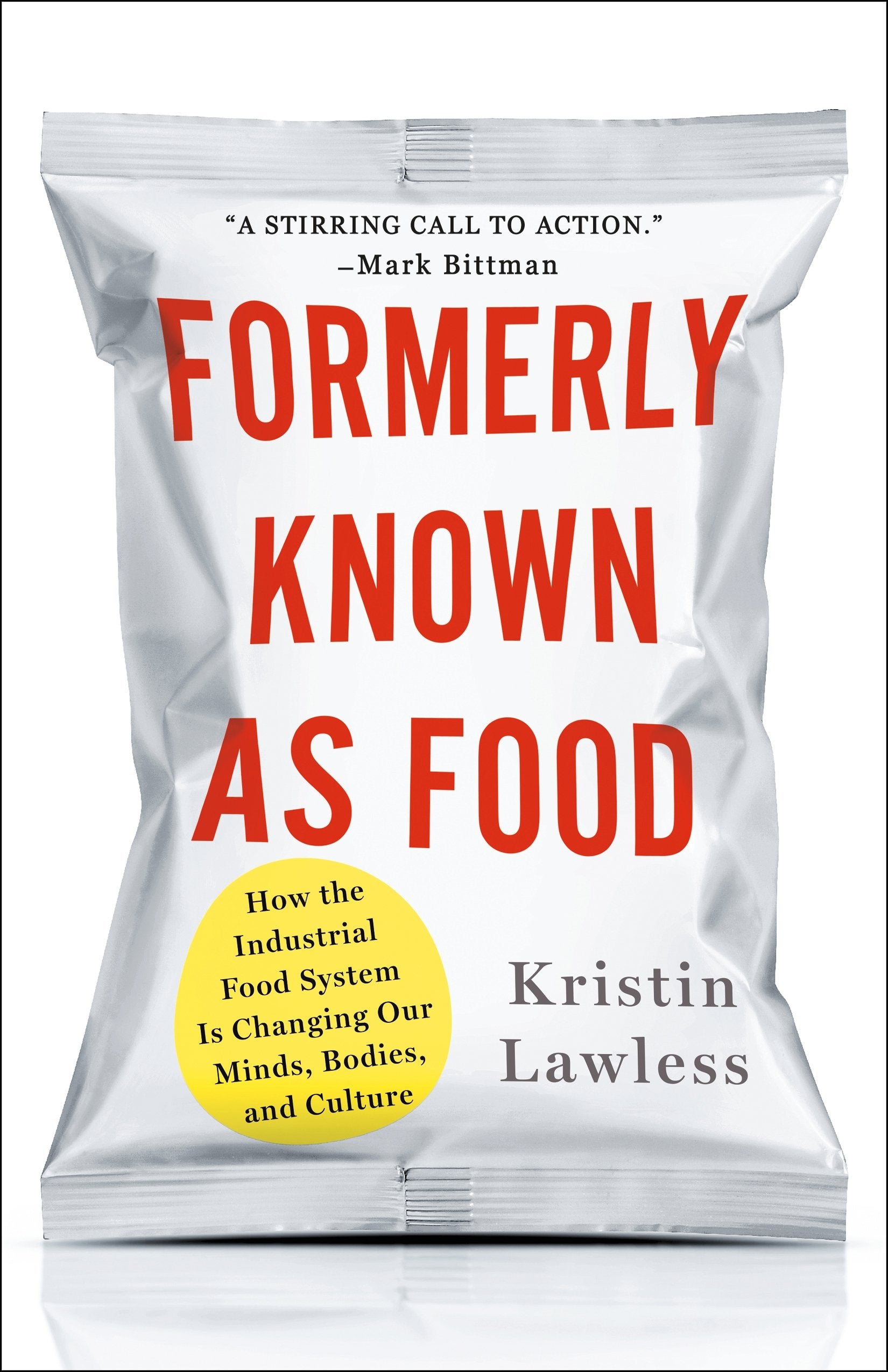
Formerly Known As Food: How the Industrial Food System Is Changing Our Minds, Bodies, and Culture,Used
Sold by Ergodebooks, an authorized reseller.
Returns accepted within 30 days | support@ergodebooks.com
Shipping Information
- Free Standard Shipping — United States only
- Processing Time: 3–5 business days
- Estimated Delivery: 6–10 business days after dispatch
- Double-boxed, fully insured & discreetly packaged
- Tracking number sent via email once dispatched
Returns & Refund
Returns accepted within 30 days of delivery.
Damaged or Defective Item
Free return shipping + replacement or full refund
Wrong Item Received
Free return shipping + replacement or full refund
Change of Mind
Return shipping at customer's expense · 25% restocking fee applies
Payment Option

Sustainable Literature Commitee's 2018 Green Prize Winner One of Bustle's '17 Best Nonfiction Books Coming Out In June 2018' One of The Revelator's '16 New Environmental Books for June' One of Equinox's '5 Books High Performers Should Read in June' One of Foodtank's '18 Books Making a Splash This Summer' One of CivilEats' '22 Noteworthy Food and Farming Books for Summer Readingand Beyond'From the voice of a new generation of food activists, a passionate and deeplyresearched call for a new food movement.If you think buying organic from Whole Foods is protecting you, you're wrong. Our foodeven what we're told is good for ushas changed for the worse in the past 100 years, its nutritional content deteriorating due to industrial farming and its composition altered due to the addition of thousands of chemicals from pesticides to packaging. We simply no longer know what were eating.In Formerly Known as Food, Kristin Lawless argues that, because of the degradation of our diet, our bodies are literally changing from the inside out. The billiondollar food industry is reshaping our food preferences, altering our brains, changing the composition of our microbiota, and even affecting the expression of our genes. Lawless chronicles how this is happening and what it means for our bodies, health, and survival.An independent journalist and nutrition expert, Lawless is emerging as the voice of a new generation of food thinkers. After years of 'eat this, not that' advice from doctors, journalists, and food faddists, she offers something completely different. Lawless presents a comprehensive explanation of the problemgoing beyond nutrition to issues of food choice, class, race, and genderand provides a sound and simple philosophy of eating, which she calls the 'Whole Egg Theory.'Destined to set the debate over food politics for the next decade, Formerly Known as Food speaks to a new generation looking for a different conversation about the food on our plates.Naomi Klein, author of No Is Not Enough and This Changes Everything:'In this revelatory survey of the dangers of the industrial food system, Lawless offers crucial tools for navigating it safely. The best ones have nothing to do with shopping advice: she asks us to think holistically about food, why it can't be separated from other struggles for justice, and what it means to demand transformative change.'Mark Bittman, author of How to Cook Everything: 'A stirring call to action. Lawless has done a thorough job of describing how so much of what we eat doesn't qualify as 'food''Laurie David, Academy Award winning producer of An Inconvenient Truth and Fed Up: You better read this book before you put another bite of food in your or your kids' mouths!Mary Esther Malloy, MA, Mindful Birth NY: 'Groundbreaking... will get you thinking differently about how you nourish yourself and your family.'
⚠️ WARNING (California Proposition 65):
This product may contain chemicals known to the State of California to cause cancer, birth defects, or other reproductive harm.
For more information, please visit www.P65Warnings.ca.gov.
- Q: How many pages does the book have? A: The book has three hundred thirty-six pages. This length provides a comprehensive exploration of the themes surrounding the industrial food system.
- Q: What is the binding type of this book? A: The book is a hardcover edition. This binding type offers durability and a premium feel for readers.
- Q: Who is the author of 'Formerly Known As Food'? A: The author is Kristin Lawless. She is an independent journalist and nutrition expert focusing on food activism.
- Q: What type of literature is this book? A: This book is categorized as nonfiction. It discusses critical issues related to food production and its impacts on society.
- Q: What dimensions does this book have? A: The book measures five point seven nine inches in length, one point one six inches in width, and eight point five five inches in height. These dimensions make it a manageable size for reading.
- Q: How should I read this book? A: You can read this book just like any other; simply find a comfortable place. It is suitable for anyone interested in food politics and health advocacy.
- Q: Is this book suitable for young readers? A: Yes, this book is appropriate for older teens and adults. It covers complex topics, making it more suitable for mature audiences.
- Q: What is the main theme of 'Formerly Known As Food'? A: The main theme is the impact of the industrial food system on our health and culture. It encourages readers to rethink their food choices.
- Q: Can this book help me improve my eating habits? A: Yes, the book offers a philosophy of eating called the 'Whole Egg Theory.' This approach aims to guide readers toward healthier food choices.
- Q: How do I care for this book? A: To care for this book, keep it in a cool, dry place. Avoid exposing it to direct sunlight to preserve its cover and pages.
- Q: Is this book safe for kids? A: While it is not targeted at children, older teens may find it educational. The content is geared more towards adults and young adults.
- Q: What if the book arrives damaged? A: If the book arrives damaged, you should contact the seller for a return or exchange. Most sellers have policies to address such issues.
- Q: How should I store this book? A: Store the book upright on a shelf or in a bookcase. This helps prevent bending of the cover and pages.
- Q: How does this book compare to other food-related literature? A: This book offers a unique perspective on the food industry, focusing on systemic issues rather than just personal dietary choices. It stands out for its depth and research.
- Q: Is there a discussion of food justice in the book? A: Yes, the book discusses food justice as a critical aspect of the food movement. It addresses how food choices impact various social issues.
- Q: What should I do if I have more questions about the book? A: If you have more questions, consider looking for reviews online or checking the publisher's website for additional resources.