
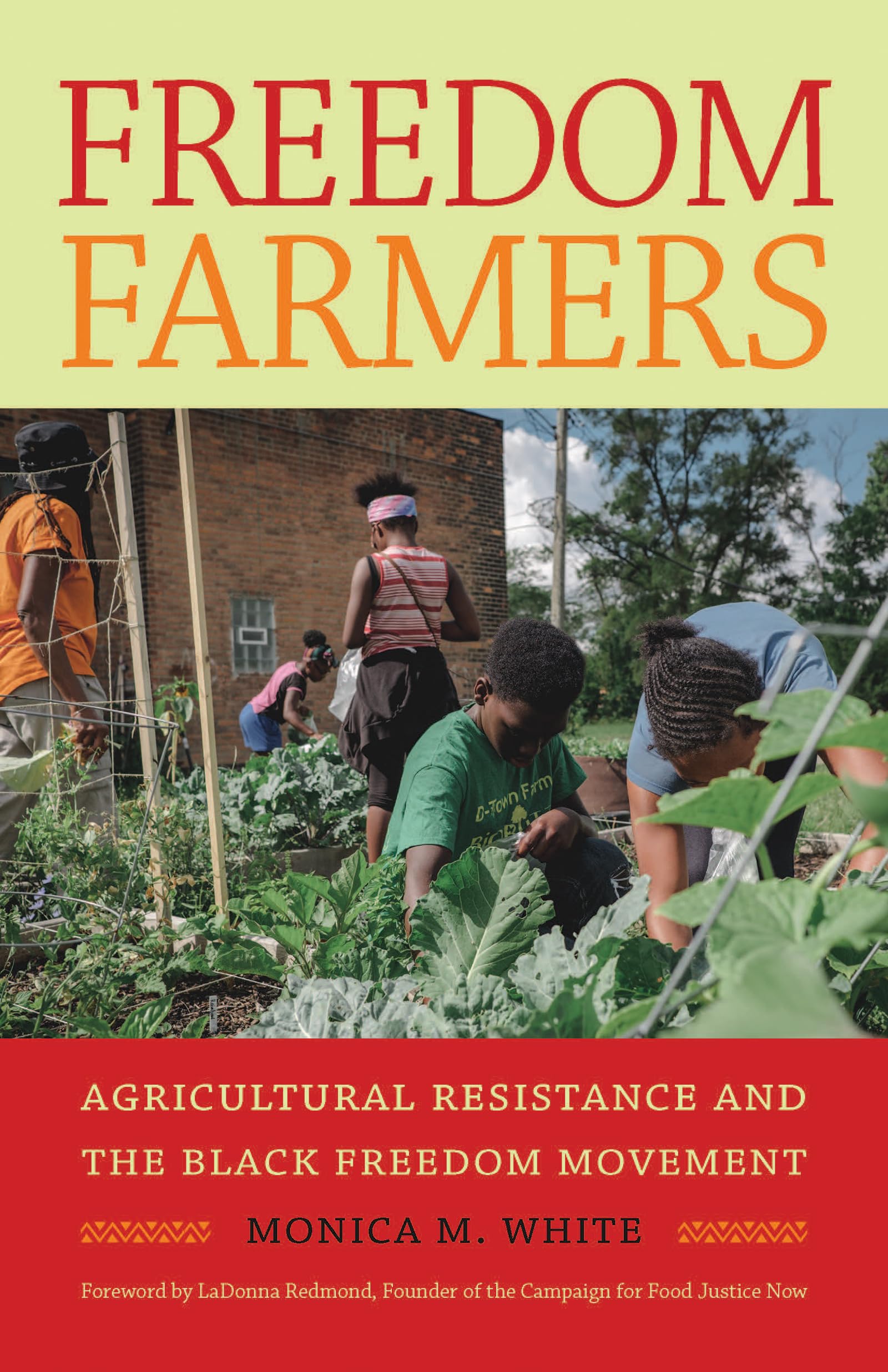
Title
Freedom Farmers: Agricultural Resistance And The Black Freedom Movement (Justice, Power, And Politics)
Sold by Ergodebooks, an authorized reseller.
Returns accepted within 30 days | support@ergodebooks.com
Shipping Information
- Free Standard Shipping — United States only
- Processing Time: 3–5 business days
- Estimated Delivery: 6–10 business days after dispatch
- Double-boxed, fully insured & discreetly packaged
- Tracking number sent via email once dispatched
Returns & Refund
Returns accepted within 30 days of delivery.
Damaged or Defective Item
Free return shipping + replacement or full refund
Wrong Item Received
Free return shipping + replacement or full refund
Change of Mind
Return shipping at customer's expense · 25% restocking fee applies
Payment Option

In May 1967, Internationally Renowned Activist Fannie Lou Hamer Purchased Forty Acres Of Land In The Mississippi Delta, Launching The Freedom Farms Cooperative (Ffc). A Communitybased Rural And Economic Development Project, Ffc Would Grow To Over 600 Acres, Offering A Means For Local Sharecroppers, Tenant Farmers, And Domestic Workers To Pursue Community Wellness, Selfreliance, And Political Resistance. Life On The Cooperative Farm Presented An Alternative To The Second Wave Of Northern Migration By African Americans An Opportunity To Stay In The South, Live Off The Land, And Create A Healthy Community Based Upon Building An Alternative Food System As A Cooperative And Collective Effort.Freedom Farmers Expands The Historical Narrative Of The Black Freedom Struggle To Embrace The Work, Roles, And Contributions Of Southern Black Farmers And The Organizations They Formed. Whereas Existing Scholarship Generally Views Agriculture As A Site Of Oppression And Exploitation Of Black People, This Book Reveals Agriculture As A Site Of Resistance And Provides A Historical Foundation That Adds Meaning And Context To Current Conversations Around The Resurgence Of Food Justice/Sovereignty Movements In Urban Spaces Like Detroit, Chicago, Milwaukee, New York City, And New Orleans.
⚠️ WARNING (California Proposition 65):
This product may contain chemicals known to the State of California to cause cancer, birth defects, or other reproductive harm.
For more information, please visit www.P65Warnings.ca.gov.
- Q: How many pages does the book have? A: The book has two hundred eight pages. This length provides a comprehensive exploration of the themes surrounding agricultural resistance and the Black Freedom Movement.
- Q: What is the binding type of this book? A: The book is paperback bound. This makes it lightweight and portable, ideal for casual reading and carrying.
- Q: What are the dimensions of the book? A: The book measures five point five one inches in length, zero point four seven inches in width, and eight point five inches in height. These dimensions make it easy to fit on standard bookshelves.
- Q: Who is the author of the book? A: The author is Monica M. White. She provides a unique perspective on the contributions of Black farmers in the context of the Black Freedom Movement.
- Q: What topics does the book cover? A: The book covers agricultural resistance, community wellness, and food sovereignty. It focuses on the role of Black farmers in social justice movements.
- Q: Is this book suitable for young adults? A: Yes, this book is suitable for young adults and older. It addresses historical themes that can resonate with readers interested in social justice and history.
- Q: How can I use this book for research? A: You can use this book as a resource for understanding agricultural history and social movements. It includes references and insights valuable for academic studies.
- Q: What is the target audience for this book? A: The target audience includes scholars, students, and anyone interested in African American history and agricultural practices. It appeals to those engaged in food justice discussions.
- Q: Are there any illustrations in the book? A: No, the book does not contain illustrations. It focuses on text to convey historical narratives and analyses.
- Q: How should I store this book? A: Store this book in a cool, dry place, upright on a shelf. This helps preserve its condition and prevents wear.
- Q: Can I return the book if I don't like it? A: Yes, you can return the book, depending on the retailer's return policy. Always check the specific terms for returns.
- Q: What if the book arrives damaged? A: If the book arrives damaged, contact the retailer for a replacement or refund. Document the damage with photos for support.
- Q: Is there a warranty for the book? A: No, books typically do not come with a warranty. However, retailer return policies may apply.
- Q: How can I contact customer support for the book? A: Contact customer support through the retailer's website for inquiries about the book. They can assist with any issues.
- Q: What makes this book different from others on the same topic? A: This book emphasizes the contributions of Black farmers, highlighting agriculture as a site of resistance. It offers a unique historical perspective.