
Title
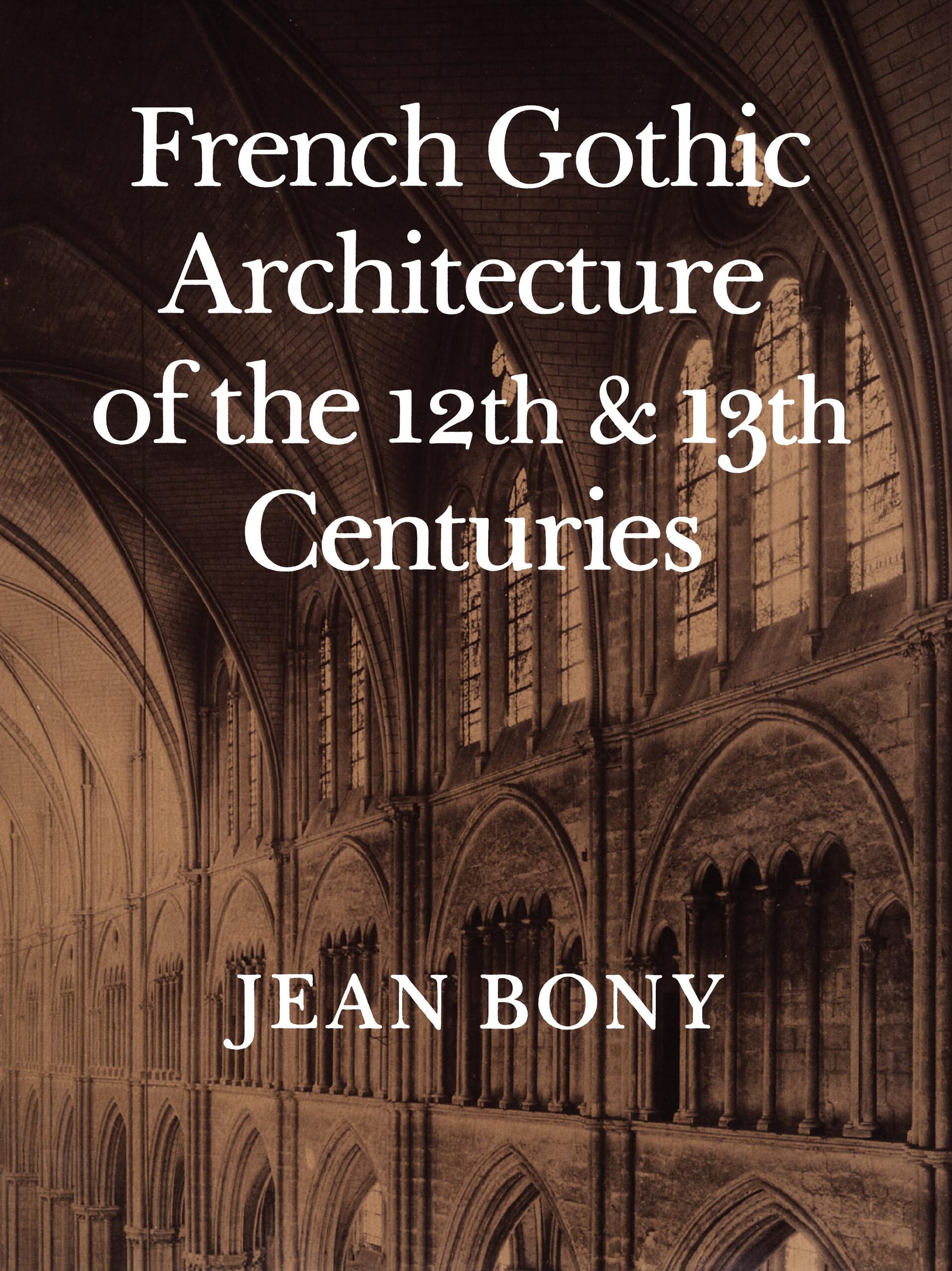
French Gothic Architecture of the 12th and 13th Centuries (California Studies in the History of Art) (Volume 20),Used
Sold by Ergodebooks, an authorized reseller.
Returns accepted within 30 days | support@ergodebooks.com
Shipping Information
- Free Standard Shipping — United States only
- Processing Time: 3–5 business days
- Estimated Delivery: 6–10 business days after dispatch
- Double-boxed, fully insured & discreetly packaged
- Tracking number sent via email once dispatched
Returns & Refund
Returns accepted within 30 days of delivery.
Damaged or Defective Item
Free return shipping + replacement or full refund
Wrong Item Received
Free return shipping + replacement or full refund
Change of Mind
Return shipping at customer's expense · 25% restocking fee applies
Payment Option

Gothic architecture is the most visible and striking product of medieval European civilization. Jean Bony, whose reputation as a medievalist is worldwide, presents its development as an adventure of the imagination allied with radical technical advancesthe result of a continuining quest for new ways of handling space and light as well as experimenting with the mechanics of stone construction. He shows how the new architecture came unexpectedly to be invented in the Paris region around 1140 and follows its historyin the great cathedrals of northern France and dozens of other key buildingsto the end of the thirteenth century, when profound changes occurred in the whole fabric of medieval civilization. Rich illustrations, including comprehensive maps, enhance the text and themselves constitute an exceptionally valuable documenation.Despite its evident scholarly intention, this book is not meant for specialists alone, but is conceived as a progressive infiltration into the complexities of history at work, revealing its unpredictable vitality to the uninitiated curious mind.
⚠️ WARNING (California Proposition 65):
This product may contain chemicals known to the State of California to cause cancer, birth defects, or other reproductive harm.
For more information, please visit www.P65Warnings.ca.gov.
- Q: How many pages does this book have? A: This book has six hundred twenty-three pages. It provides an extensive exploration of French Gothic architecture.
- Q: What is the binding type of this book? A: The binding type is paperback. This makes it flexible and lightweight for easy handling.
- Q: What are the dimensions of this book? A: The dimensions are eight point two seven inches in length, one point seven inches in width, and eleven inches in height. These measurements make it a substantial yet manageable size for reading.
- Q: Who is the author of this book? A: The author is Jean Bony. He is known for his expertise in medieval architecture.
- Q: Is this book suitable for beginners in architecture? A: Yes, this book is suitable for beginners. It is written to be accessible to readers who are curious about history and architecture.
- Q: What topics are covered in the book? A: The book covers the development of Gothic architecture and its historical context. It explores technical advances and the cultural significance of the period.
- Q: How should I store this book to keep it in good condition? A: Store this book upright in a cool, dry place. Avoid exposure to direct sunlight to prevent fading.
- Q: Can I read this book if I am not an expert in art history? A: Yes, non-experts can read this book. It is designed to engage the curious mind with explanations of complex historical themes.
- Q: How do I clean this book if it gets dirty? A: To clean the book, gently wipe the cover with a soft, dry cloth. Avoid using water or cleaning solutions.
- Q: Is this book a good choice for someone interested in medieval history? A: Yes, it is an excellent choice for anyone interested in medieval history. It provides insights into the architectural innovations of the time.
- Q: What makes this book visually appealing? A: The book features rich illustrations and comprehensive maps. These visuals enhance understanding of the text and the architectural styles discussed.
- Q: What is the target audience for this book? A: The target audience includes students, educators, and anyone interested in art history. It appeals to both scholars and the general public.
- Q: Does this book include references or bibliographies? A: Yes, the book includes references to support its scholarly content. This allows readers to explore topics in greater depth.
- Q: How does this book differ from other architecture books? A: This book emphasizes the imaginative aspects of Gothic architecture. It combines technical detail with a narrative approach to history.
- Q: Are there any notable cathedrals mentioned in the book? A: Yes, the book discusses several notable cathedrals in northern France. These include significant examples of Gothic architecture.