
Title
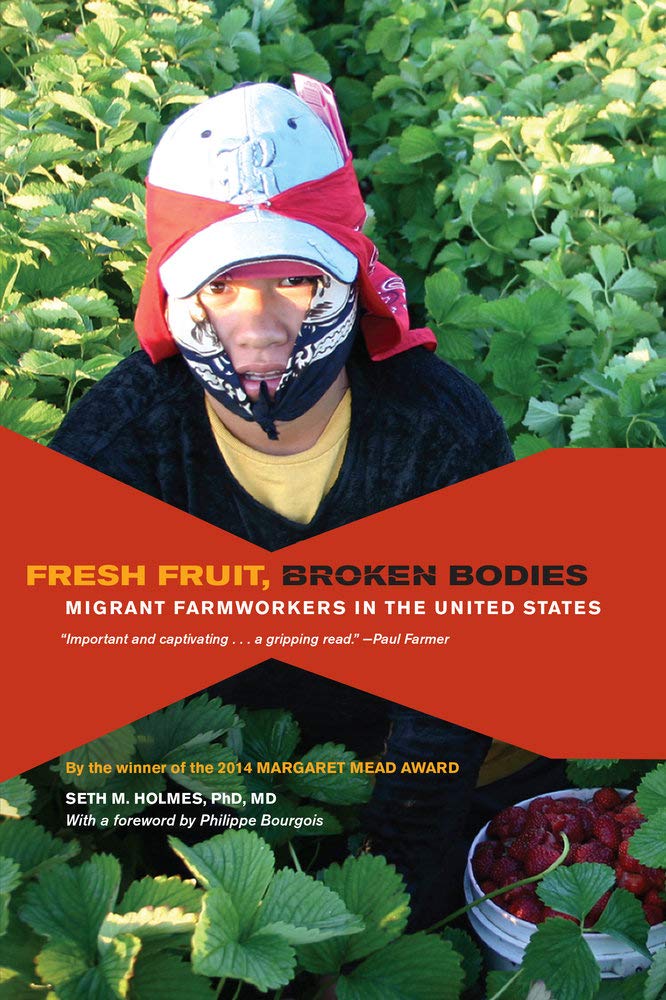
Fresh Fruit, Broken Bodies: Migrant Farmworkers In The United States (Volume 27) (California Series In Public Anthropology),New
Sold by Ergodebooks, an authorized reseller.
Returns accepted within 30 days | support@ergodebooks.com
Shipping Information
- Free Standard Shipping — United States only
- Processing Time: 3–5 business days
- Estimated Delivery: 6–10 business days after dispatch
- Double-boxed, fully insured & discreetly packaged
- Tracking number sent via email once dispatched
Returns & Refund
Returns accepted within 30 days of delivery.
Damaged or Defective Item
Free return shipping + replacement or full refund
Wrong Item Received
Free return shipping + replacement or full refund
Change of Mind
Return shipping at customer's expense · 25% restocking fee applies
Payment Option

An Intimate Examination Of The Everyday Lives And Suffering Of Mexican Migrants And Indigenous People In Our Contemporary Food System.An Anthropologist And Md In The Mold Of Paul Farmer And Didier Fassin, Seth Holmes Shows How Market Forces, Antiimmigrant Sentiment, And Racism Undermine Health And Healthcare. Holmess Material Is Visceral And Powerful. He Trekked With His Companions Illegally Through The Desert Into Arizona And Was Jailed With Them Before They Were Deported. He Lived With Indigenous Families In The Mountains Of Oaxaca And In Farm Labor Camps In The U.S., Planted And Harvested Corn, Picked Strawberries, And Accompanied Sick Workers To Clinics And Hospitals. This Embodied Anthropology Deepens Our Theoretical Understanding Of How Health Equity Is Undermined By A Normalization Of Migrant Suffering, The Natural Endpoint Of Systemic Dehumanization, Exploitation, And Oppression That Clouds Any Sense Of Empathy For Invisible Workers.Fresh Fruit, Broken Bodies Is Far More Than An Ethnography Or Supplementary Labor Studies Text; Holmes Tells The Stories Of Food Production Workers From As Close To The Ground As Possible, Revealing Often Theoreticallydiscussed Social Inequalities As Irreparable Bodily Damage Done. This Book Substantiates The Suffering Of Those Facing The Danger Of Crossing The Border, Threatened With Deportation, Or Otherwise Caught Up In The Structural Violence Of A System Promising Work But Endangering Or Ignoring The Human Rights And Health Of Its Workers.All Of The Book Award Money And Royalties From The Sales Of This Book Have Been Donated To Farm Worker Unions, Farm Worker Organizations And Farm Worker Projects In Consultation With Farm Workers Who Appear In The Book.
⚠️ WARNING (California Proposition 65):
This product may contain chemicals known to the State of California to cause cancer, birth defects, or other reproductive harm.
For more information, please visit www.P65Warnings.ca.gov.
- Q: What is the page count of the book? A: The book has two hundred sixty-four pages. It provides an in-depth exploration of the lives of migrant farmworkers.
- Q: What are the dimensions of the book? A: The book measures six inches in length, zero point seventy-one inches in width, and nine point zero two inches in height. These dimensions make it a convenient size for reading.
- Q: What type of binding does this book have? A: The book is published in paperback binding. This makes it flexible and lightweight for easy handling.
- Q: Who is the author of 'Fresh Fruit, Broken Bodies'? A: The author is Seth Holmes. He is both an anthropologist and a medical doctor, offering a unique perspective on the subject.
- Q: What is the main theme of the book? A: The main theme is the suffering and everyday lives of Mexican migrants and indigenous people in the food system. It addresses issues of health equity and systemic oppression.
- Q: How do I read this book? A: You can read this book by simply opening it and turning the pages. It is suitable for anyone interested in social justice and anthropology.
- Q: Is this book suitable for young adults? A: Yes, this book can be suitable for young adults. However, it addresses complex themes of suffering and systemic issues that may require maturity to fully understand.
- Q: What can I learn from this book? A: You can learn about the challenges faced by migrant farmworkers and the impact of market forces on their health. It provides a deep anthropological insight into their experiences.
- Q: How should I care for this paperback book? A: To care for this book, keep it in a dry place and avoid exposing it to direct sunlight. This will help preserve its condition over time.
- Q: Is this book safe to store with other books? A: Yes, this book is safe to store with other books. Just ensure it is placed upright or flat to avoid bending the pages.
- Q: Can I return the book if I'm not satisfied? A: Yes, you can return the book if you are not satisfied. Check the retailer’s return policy for specific details on the process.
- Q: What if the book arrives damaged? A: If the book arrives damaged, you should contact the seller immediately for a replacement. Most retailers have policies to address such issues.
- Q: Is this book considered an ethnography? A: Yes, this book is considered an ethnography. It provides a detailed account of the lived experiences of migrant workers.
- Q: Does this book address health care issues? A: Yes, the book discusses how anti-immigrant sentiment and market forces undermine health care for migrant workers. It highlights critical health equity topics.
- Q: Are there any awards associated with this book? A: Yes, the book has received awards and all royalties are donated to farm worker organizations. This supports the communities represented in the text.
- Q: What genre does this book belong to? A: This book belongs to the genre of anthropology and social justice. It explores critical issues related to immigration and labor.