
Title
Freud'S Lost Chord: Discovering Jazz In The Resonant Psyche (Psychology, Psychoanalysis & Psychotherapy),Used
Sold by Ergodebooks, an authorized reseller.
Returns accepted within 30 days | support@ergodebooks.com
Shipping Information
- Free Standard Shipping — United States only
- Processing Time: 3–5 business days
- Estimated Delivery: 6–10 business days after dispatch
- Double-boxed, fully insured & discreetly packaged
- Tracking number sent via email once dispatched
Returns & Refund
Returns accepted within 30 days of delivery.
Damaged or Defective Item
Free return shipping + replacement or full refund
Wrong Item Received
Free return shipping + replacement or full refund
Change of Mind
Return shipping at customer's expense · 25% restocking fee applies
Payment Option

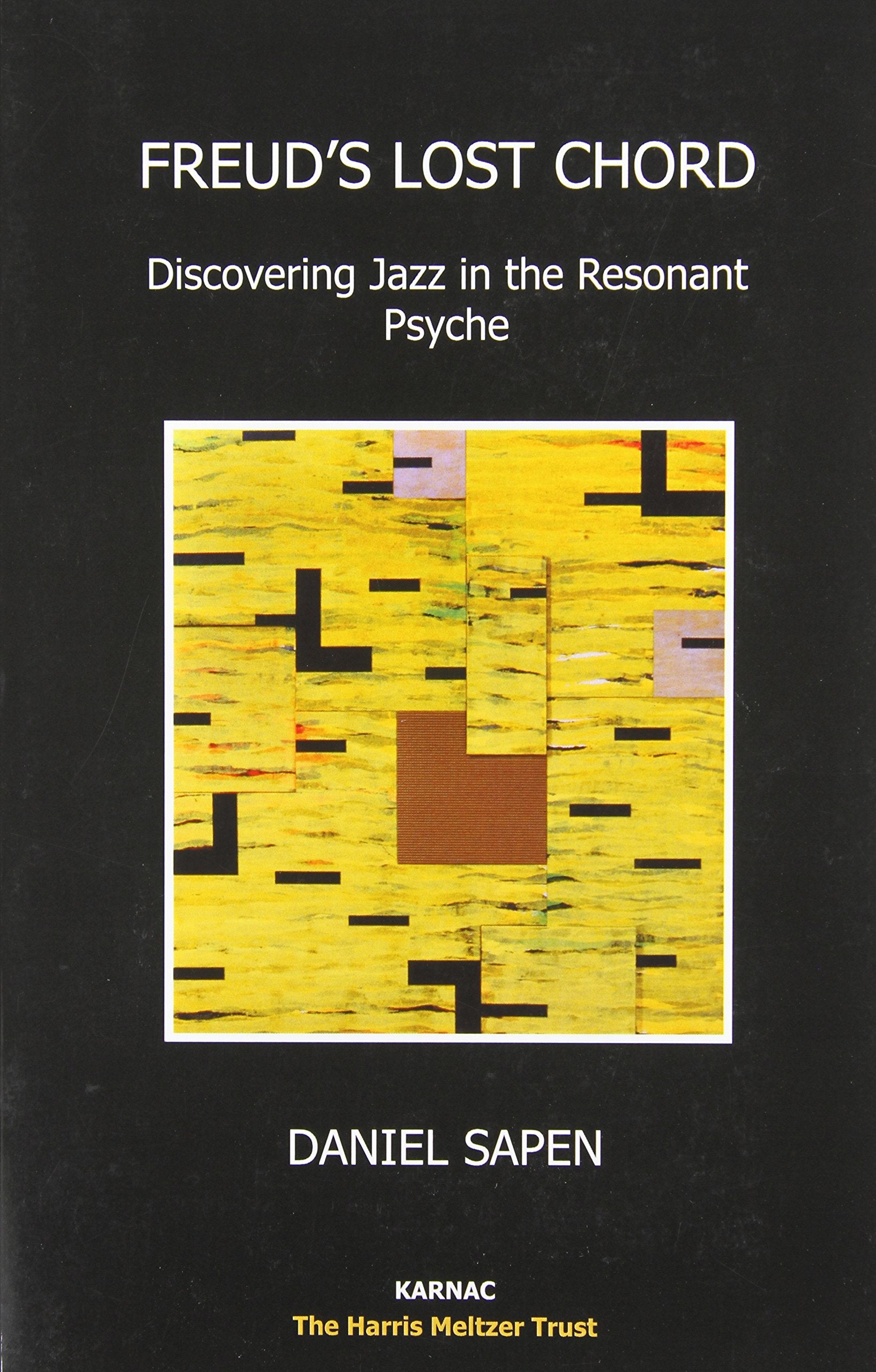
In Freud's Lost Chord, Dan Sapen explores what it means for the development of depth psychology that Freud was perplexed by music, and unlike nearly every other aspect of human life, had little to say about it a problem shared by most others in the early generations of psychoanalytic thought. Psychoanalyst Charles Rycroft wrote 'One cannot help regretting that none of the pioneers of the unconscious thought naturally in auditory terms'; more than this, over 100 years later, not only is music per se rarely looked at in psychodynamic terms, jazz music is almost completely absent from the literature. Dr. Sapen looks in depth at the intricate details of psychodynamic theory and practice, as well as an overview of its development, to address the possibility that a theoretical model that has little to say about such a basic and omnipresent aspect of human life must be seriously flawed in its effort to explain what it is to be human, and how the mind functions and what it creates. However, Sapen illustrates how numerous other thinkers (Jung, Winnicott, Bion, Loewald, Rycroft), some seemingly at odds with and others serving as essential developments and reworkings of psychoanalytic principles, have managed to illuminate and integrate those missing principles so basic to music and creativity to development, dreaming, thinking, and relating among other human beings intimately and in a society. Nearly uniquely in the psychodynamic literature, Sapen looks in depth at the music of Miles Davis and John Coltrane as examples of the living, breathing psychological processes so essential to understanding the meaning and dynamics of being human that Freud could not, for a variety of reasons, conceptualize.
⚠️ WARNING (California Proposition 65):
This product may contain chemicals known to the State of California to cause cancer, birth defects, or other reproductive harm.
For more information, please visit www.P65Warnings.ca.gov.