
Title
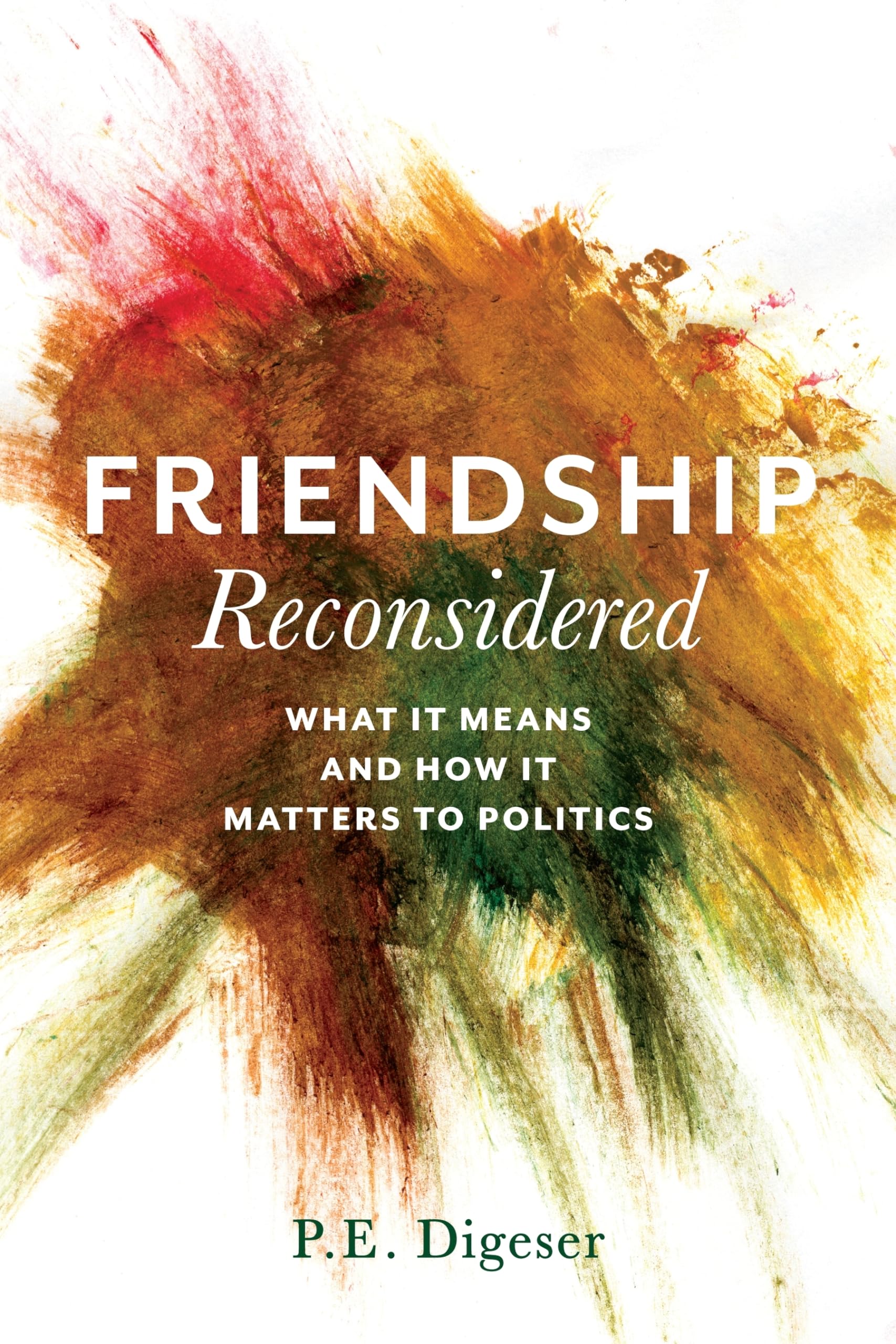
Friendship Reconsidered: What It Means and How It Matters to Politics,New
Sold by Ergodebooks, an authorized reseller.
Returns accepted within 30 days | support@ergodebooks.com
Shipping Information
- Free Standard Shipping — United States only
- Processing Time: 3–5 business days
- Estimated Delivery: 6–10 business days after dispatch
- Double-boxed, fully insured & discreetly packaged
- Tracking number sent via email once dispatched
Returns & Refund
Returns accepted within 30 days of delivery.
Damaged or Defective Item
Free return shipping + replacement or full refund
Wrong Item Received
Free return shipping + replacement or full refund
Change of Mind
Return shipping at customer's expense · 25% restocking fee applies
Payment Option

In the history of Western thought, friendship's relationship to politics is checkered. Friendship was seen as key to understanding political life in the ancient world, but it was then ignored for centuries. Today, friendship has again become a desirable framework for political interaction. In Friendship Reconsidered, P. E. Digeser contends that our rich and varied practices of friendship multiply and moderate connections to politics. Along the way, she sets forth a series of ideals that appreciates friendship's many forms and its dynamic relationship to individuality, citizenship, political and legal institutions, and international relations.Digeser argues that, as a set of practices bearing a family resemblance to one another, friendship calls our attention to the importance of norms of friendly action and the mutual recognition of motive. Focusing on these attributes clarifies the place of selfinterest and duty in friendship and points to its compatibility with the pursuit of individuality. She shows how friendship can provide islands of stability in a sea of citizenstrangers and, in a delegitimized political environment, a bridge between differences. She also explores how political and legal institutions can both undermine and promote friendship. Digeser then looks to the positive potential of international friendships, in which states mutually strive to protect the just character of one another's institutions and policies. Friendship's repertoire of motives and manifestations complicates its relationship to politics, Digeser concludes, but it can help us realize the limits and possibilities for generating new opportunities for cooperation.
⚠️ WARNING (California Proposition 65):
This product may contain chemicals known to the State of California to cause cancer, birth defects, or other reproductive harm.
For more information, please visit www.P65Warnings.ca.gov.