
Title
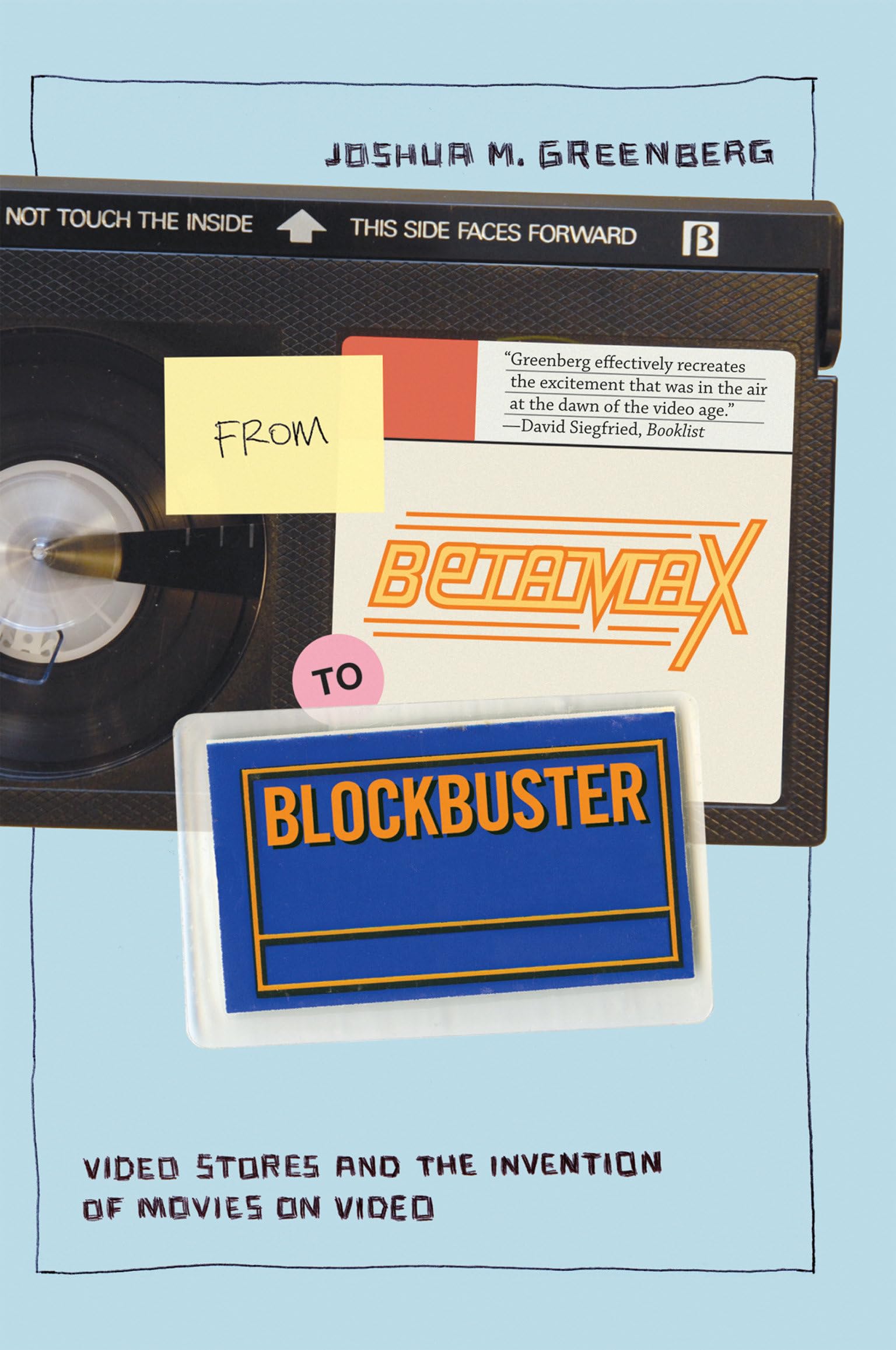
From Betamax To Blockbuster: Video Stores And The Invention Of Movies On Video (Inside Technology)
Sold by Ergodebooks, an authorized reseller.
Returns accepted within 30 days | support@ergodebooks.com
Shipping Information
- Free Standard Shipping — United States only
- Processing Time: 3–5 business days
- Estimated Delivery: 6–10 business days after dispatch
- Double-boxed, fully insured & discreetly packaged
- Tracking number sent via email once dispatched
Returns & Refund
Returns accepted within 30 days of delivery.
Damaged or Defective Item
Free return shipping + replacement or full refund
Wrong Item Received
Free return shipping + replacement or full refund
Change of Mind
Return shipping at customer's expense · 25% restocking fee applies
Payment Option

How the VCR was transformed from a machine that records television into a medium for movies.The first video cassette recorders were promoted in the 1970s as an extension of broadcast television technologya timeshifting device, a way to tape TV shows. Early advertising for Sony's Betamax told potential purchasers You don't have to miss Kojak because you're watching Columbo. But within a few years, the VCR had been transformed from a machine that recorded television into an extension of the movie theater into the home. This was less a physical transformation than a change in perception, but one that relied on the very tangible construction of a network of social institutions to support this new marketplace for movies.In From Betamax to Blockbuster, Joshua Greenberg explains how the combination of neighborhood video stores and the VCR created a world in which movies became tangible consumer goods. Greenberg charts a trajectory from early videophile communities to the rise of the video storecomplete with theater marquee lights, movie posters, popcorn, and clerks who offered expert advice on which movies to rent. The result was more than a new industry; by placing movies on cassette in the hands (and control) of consumers, video rental and sale led to a renegotiation of the boundary between medium and message, and ultimately a new relationship between audiences and movies. Eventually, Blockbuster's topdown franchise store model crowded local video stores out of the market, but the recent rise of Netflix, iTunes, and other technologies have reopened old questions about what a movie is and how (and where) it ought to be watched. By focusing on the spaces in between manufacturers and consumers, Greenberg's account offers a fresh perspective on consumer technology, illustrating how the initial transformation of movies from experience into commodity began not from the top down or the bottom up, but from the middle of the burgeoning industry out.
⚠️ WARNING (California Proposition 65):
This product may contain chemicals known to the State of California to cause cancer, birth defects, or other reproductive harm.
For more information, please visit www.P65Warnings.ca.gov.