
Title
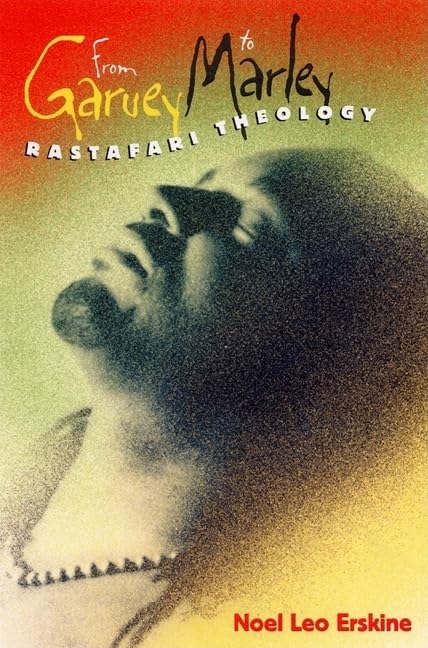
From Garvey To Marley: Rastafari Theology (History Of Africanamerican Religions)
Sold by Ergodebooks, an authorized reseller.
Returns accepted within 30 days | support@ergodebooks.com
Shipping Information
- Free Standard Shipping — United States only
- Processing Time: 3–5 business days
- Estimated Delivery: 6–10 business days after dispatch
- Double-boxed, fully insured & discreetly packaged
- Tracking number sent via email once dispatched
Returns & Refund
Returns accepted within 30 days of delivery.
Damaged or Defective Item
Free return shipping + replacement or full refund
Wrong Item Received
Free return shipping + replacement or full refund
Change of Mind
Return shipping at customer's expense · 25% restocking fee applies
Payment Option

This History Of The Theology And Rituals Of Rastafarianism Features Accents Of The Reggae Rhythms Of Bob Marley And The Teachings And Philosophy Of Marcus Garvey, The Black Nationalist Who Motivated Many Of His Fellow Jamaicans To Embrace Their African Ancestral Roots. Written By A Trained Theologian Who Was Raised In The Jamaican Village In Which The Rastafarian Faith Originated, The Book Offers Both A Serious Inquiry Into The Movement And The Perspective Of An Insider In Conversation With Elders Of The Faith Who Still Live In The Village. Marley, Who Died In 1981, Is The Best Known And One Of The Most Articulate Exponents Of The Themes Of Race Consciousness That Provide The Core Of Rasta Hermeneutics. The Poet And Musician Also Made The Faith Appealing To The Jamaican Middle Class, Which Had Turned Away From The Back To Africa Message That Garvey Delivered In The 1930S. Noel Leo Erskine Isolates And Defines The Main Tenets Of Rastafarianism, Which Emerged Toward The End Of The 20Th Century As A Way Of Life And As A New International Religion. He Includes Biographical Descriptions Of The Key Players In The Development Of Rastafari Theology, Provides Details Of Its Organization And Ethos, And Discusses The Role Of Women In The Religion. He Also Discusses The Significance Of Ethiopia To The Faith; Practitioners View That Country Both As Their Homeland And As Heaven On Earth. Examining The Religion'S Relationship To Christianity, Erskine Relates The Rastas To 19Thcentury Native Baptist And Revivalist Traditions On The Island And To The Black Theology Movement In The United States. The Rastas See The European And North American Churches As Representatives Of An Oppressive Colonial Class, He Writes. The Rastafarian Name For GodJahIs Derived From Yahveh, The God Of The Hebrews, And Members Of The Faith Connect Their Struggle For Dignity And Solidarity In Jamaican Society With The Struggle Of The Oppressed Israelites. Jah And Not The Bible Is The Decisive Source Of Morality And Truth For The Rastas. Clearly Written, Sympathetic, And At Times Critical, The Book Will Be Important In The Fields Of African, African American, And Caribbean Studies, Especially To The Cultural And Religious Dimensions In Each Discipline.
⚠️ WARNING (California Proposition 65):
This product may contain chemicals known to the State of California to cause cancer, birth defects, or other reproductive harm.
For more information, please visit www.P65Warnings.ca.gov.
- Q: How many pages does this book have? A: This book has two hundred fifty-six pages. It provides an in-depth exploration of Rastafarian theology and rituals.
- Q: What is the binding type of the book? A: The book is paperback bound. This makes it lightweight and easy to carry for reading.
- Q: What are the dimensions of this book? A: The book measures five point nine one inches in length, zero point six eight inches in width, and eight point five five inches in height.
- Q: Who is the author of this book? A: The author is Noel Leo Erskine. He is a trained theologian with a rich background in Rastafarian studies.
- Q: What is the main genre of this book? A: The book falls under the category of African American religious history. It focuses on Rastafarianism and its cultural significance.
- Q: How can I apply the teachings in this book? A: You can apply the teachings by exploring Rastafarian beliefs and practices. Engaging with the history and philosophy can enhance your understanding.
- Q: Is this book suitable for beginners in Rastafarian studies? A: Yes, the book is suitable for beginners. It provides clear explanations of key concepts and historical context.
- Q: What age group is this book appropriate for? A: This book is appropriate for adults and older teens. It discusses complex theological themes and historical contexts.
- Q: How should I store this book to ensure its longevity? A: Store the book in a cool, dry place away from direct sunlight. This prevents damage to the binding and pages.
- Q: Can I clean this book if it gets dirty? A: Yes, you can clean the book gently. Use a soft, dry cloth to wipe the cover and avoid using liquids.
- Q: What if the book arrives damaged? A: If the book arrives damaged, contact customer support immediately. They can assist you with a return or replacement.
- Q: Is this book a good choice for academic study? A: Yes, this book is an excellent choice for academic study. It is well-researched and provides valuable insights into Rastafarianism.
- Q: Are there any supplementary materials with this book? A: No, the book does not come with supplementary materials. It is a standalone text focused on Rastafarian theology.
- Q: How does this book compare to others in its field? A: This book offers a unique insider perspective on Rastafarianism, distinguishing it from other academic texts.
- Q: Is there a warranty or return policy for this book? A: Typically, books have a return policy that allows for returns within a specified period. Check with the retailer for details.
- Q: What themes are explored in this book? A: The book explores themes of race consciousness, spirituality, and the historical development of Rastafarian beliefs.