
Title
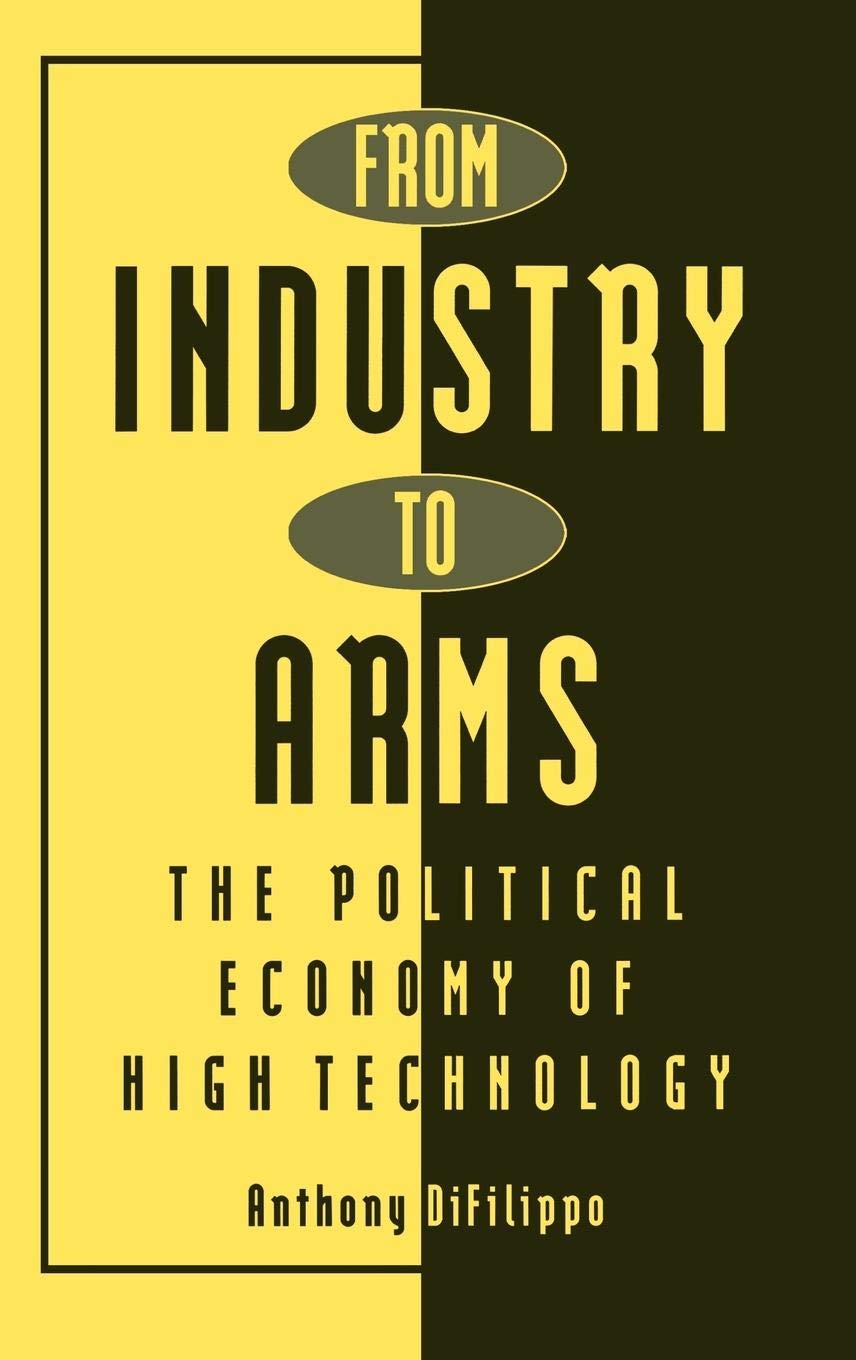
From Industry to Arms: The Political Economy of High Technology (Contributions in Economics and Economic History),Used
Sold by Ergodebooks, an authorized reseller.
Returns accepted within 30 days | support@ergodebooks.com
Shipping Information
- Free Standard Shipping — United States only
- Processing Time: 3–5 business days
- Estimated Delivery: 6–10 business days after dispatch
- Double-boxed, fully insured & discreetly packaged
- Tracking number sent via email once dispatched
Returns & Refund
Returns accepted within 30 days of delivery.
Damaged or Defective Item
Free return shipping + replacement or full refund
Wrong Item Received
Free return shipping + replacement or full refund
Change of Mind
Return shipping at customer's expense · 25% restocking fee applies
Payment Option

The importance of technology in our day to day lives is something that few people would deny. At home and in the office, in business and in politics, the effects of technology are pervasive. In this important new study, Anthony DiFilippo examines one specific aspect of this issue: the forces of political economy that direct the course of industrial technology. The book thoroughly analyzes the topic both empirically and comparatively and assesses the impact the political economy of technology has on the nation's standard of living, its quality of life, and its longterm prospects for economic and democratic advancement. In addition, DiFilippo concludes with a practical and rational alternative to confront many of the economic problems described.The book's primary thesis states that recent U.S. industrial policy, which has emphasized continuous advancement of military capabilities, has absorbed large amounts of capital and technical personnel. At the same time, foreign nations have improved their technological capacities through comprehensive, civiliansupported industrial policies. To improve U.S. competitiveness, manufacturing, productivity, and, ultimately, the standard of living, DiFilippo shows that technological resources must be shifted to the civilian sector. He examines a wide range of issues surrounding the topic, from the demise of the postindustrial economy and the conventional explanations for competitive decline to the resource drain of advanced warfare and the industrial policies of Japan, West Germany, and France. An extensive set of charts and tables support DiFilippo's argument and point out some of the serious economic problems the U.S. approach to high technology has caused. A bibliography of selected works is also provided. With its pertinence to current economic, political, and technological issues, From Industry to Arms will be a valuable resource for courses in government and business, political economy, policy analysis, and science and technology. Public and academic libraries will also find it to be an important and timely addition to their collections.
⚠️ WARNING (California Proposition 65):
This product may contain chemicals known to the State of California to cause cancer, birth defects, or other reproductive harm.
For more information, please visit www.P65Warnings.ca.gov.