If you have any questions, you are always welcome to contact us. We'll get back to you as soon as possible, withing 24 hours on weekdays.
Customer service
All questions about your order, return and delivery must be sent to our customer service team by e-mail at yourstore@yourdomain.com
Sale & Press
If you are interested in selling our products, need more information about our brand or wish to make a collaboration, please contact us at press@yourdomain.com
Help
If you have any questions, you are always welcome to contact us. We'll get back to you as soon as possible, withing 24 hours on weekdays.
Customer service
All questions about your order, return and delivery must be sent to our customer service team by e-mail at yourstore@yourdomain.com
Sale & Press
If you are interested in selling our products, need more information about our brand or wish to make a collaboration, please contact us at press@yourdomain.com
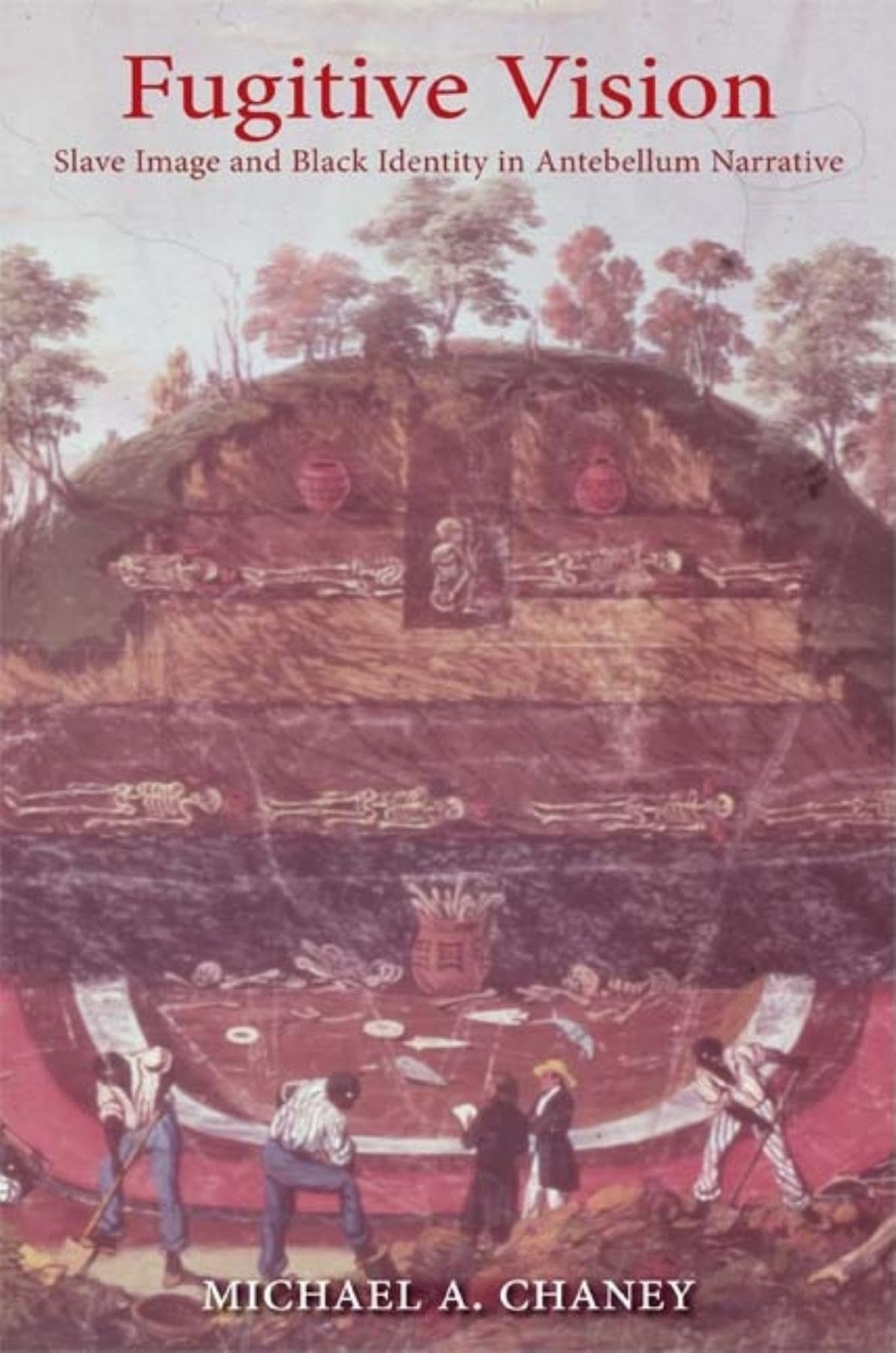
Analyzing the impact of black abolitionist iconography on early black literature and the formation of black identity, Fugitive Vision examines the writings of Frederick Douglass, William Wells Brown, William and Ellen Craft, and Harriet Jacobs, and the slave potter David Drake. Juxtaposing pictorial and literary representations, the book argues that the visual offered an alternative to literacy for current and former slaves, whose works mobilize forms of illustration that subvert dominant representations of slavery by both apologists and abolitionists. From a portrait of Douglass's mother as Ramses to the incised snatches of proverb and prophecy on Dave the Potter's ceramics, the book identifies a "fugitive vision" that reforms our notions of antebellum black identity, literature, and cultural production.
⚠️ WARNING (California Proposition 65):
This product may contain chemicals known to the State of California to cause cancer,
birth defects, or other reproductive harm.
For MAP (Minimum Advertised Price) violations and Intellectual Property (IP) or Trademark concerns, please contact:
support@ergodebooks.com
⚠️ California Proposition 65 Warning: Some products sold on this website may expose you to chemicals known to the State of California to cause cancer, birth defects, or other reproductive harm. For more information, visit www.P65Warnings.ca.gov.