
Title
Functional Anatomy Of Movement: An Illustrated Guide To Joint Movement, Soft Tissue Control, And Myofascial Anatomy For Yoga T
Sold by Ergodebooks, an authorized reseller.
Returns accepted within 30 days | support@ergodebooks.com
Shipping Information
- Free Standard Shipping — United States only
- Processing Time: 3–5 business days
- Estimated Delivery: 6–10 business days after dispatch
- Double-boxed, fully insured & discreetly packaged
- Tracking number sent via email once dispatched
Returns & Refund
Returns accepted within 30 days of delivery.
Damaged or Defective Item
Free return shipping + replacement or full refund
Wrong Item Received
Free return shipping + replacement or full refund
Change of Mind
Return shipping at customer's expense · 25% restocking fee applies
Payment Option

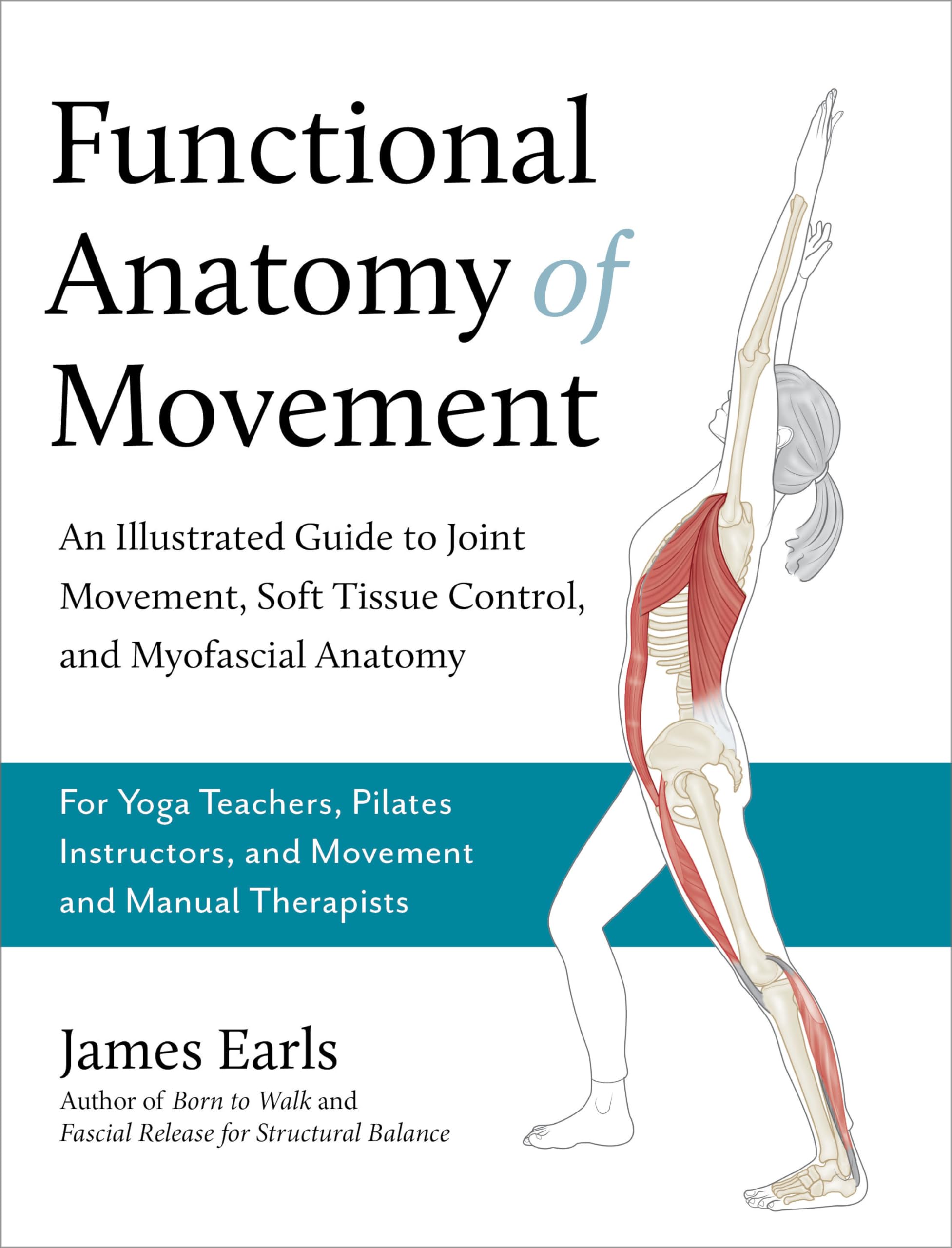
A Unique And Comprehensive Approach To Functional Anatomy Through The Lens Of Myofascial Continuities, From The Coauthor Of Fascial Release For Structural Balancewhether We Describe Them As Anatomy Trains, Myofascial Chains, Meridians, Or Slingsinsights Into The Interconnected Nature Of Fascial Tissue Have Had A Profound Impact On Our Understanding Of Anatomy.The Concept Of Tensegritythe Idea That Changes In Tension May Affect The Whole Body Rather Than Just One Parthas Likewise Opened Up New Appreciations For The Complex And Interdependent Nature Of Realworld Bodily Movements. But Musculoskeletal Anatomy Still Tends To Be Taught In A Drastically Simplified Fashion, Through The Study Of Fixed Anatomical Positions That Do Little To Prepare Us For The Reality Of Actual Movements.In Functional Myofascial Anatomy, James Earls Suggests That We Need A New Set Of Tools And Vocabulary For Watching And Describing Anatomy In Motion. Earls Argues That It Is Seeing Movement In Actionin Different Bodies And In Different Environmentsthat Should Inform Our Understanding Of Anatomy, Rather Than The Other Way Around.By Situating The Different Theories And Metaphors Of Myofascial Continuities Against The Context Of Common Reallife Movements Such As Sports Exercises And Yoga Asanas, Earls Explains How Each Theoretical System May Be Useful In Different Situations And Applicable To Different Issues.Using Uptodate Research, Earls Digs Into Important Questions For Physical And Manual Therapists: Which Tissues Really Are Contiguous? Does Continuity Of Tissue Actually Show Or Demonstrate Transmission Of Force And Communication Along Those Lines? And Does Fascial Tissue Have To Be Continuous For The Body To Actually Transfer Force?Accessibly Written And Fully Illustrated, Functional Myofascial Anatomy Offers Practical Applications For Physical Therapists, Chiropractors, And Bodyworkers, As Well As New Tools For Teachers Of Yoga And Pilates To Develop A Deeper Understanding Of Anatomy And Movement.
⚠️ WARNING (California Proposition 65):
This product may contain chemicals known to the State of California to cause cancer, birth defects, or other reproductive harm.
For more information, please visit www.P65Warnings.ca.gov.
- Q: How many pages does this book have? A: This book has one hundred sixty pages. It provides a detailed exploration of functional anatomy and myofascial anatomy.
- Q: What is the binding type of this book? A: The binding type is paperback. This makes it lightweight and portable for easy reading.
- Q: What are the dimensions of this book? A: The dimensions are seven point four five inches by nine point six nine inches. This size is ideal for both home and professional use.
- Q: Who is the author of this book? A: The author is James Earls. He is known for his expertise in functional anatomy and myofascial chains.
- Q: What category does this book belong to? A: This book belongs to the Injuries and Rehabilitation category. It is designed for professionals in physical therapy and movement education.
- Q: Is this book suitable for beginners? A: Yes, this book is suitable for beginners. It is written accessibly and provides foundational knowledge in functional anatomy.
- Q: Can yoga instructors benefit from this book? A: Yes, yoga instructors can benefit significantly from this book. It offers insights into anatomy as it applies to yoga movements.
- Q: How can physical therapists use this book? A: Physical therapists can use this book as a reference for understanding myofascial anatomy in clinical practice. It provides practical applications for therapy.
- Q: Is there any special care needed for this book? A: No special care is needed for this book. Simply store it in a dry place and handle it gently to maintain its condition.
- Q: Can this book be used as a reference for manual therapy? A: Yes, this book can be used as a reference for manual therapy. It explores various myofascial continuities relevant to therapists.
- Q: What if the book arrives damaged? A: If the book arrives damaged, you should contact the seller for a return or replacement. Most sellers have customer service for such issues.
- Q: Is this book illustrated? A: Yes, this book is fully illustrated. The illustrations enhance understanding of joint movement and myofascial anatomy.
- Q: Does this book cover any specific movement practices? A: Yes, the book covers specific movement practices, including yoga asanas and sports exercises. It relates anatomy to real-life movements.
- Q: What is the focus of the content in this book? A: The focus of the content is on the interconnected nature of fascial tissue and its impact on movement. It provides a comprehensive approach to functional anatomy.
- Q: Is there a glossary or index in the book? A: Yes, the book includes an index. This makes it easier to find specific topics related to myofascial anatomy.