
Title
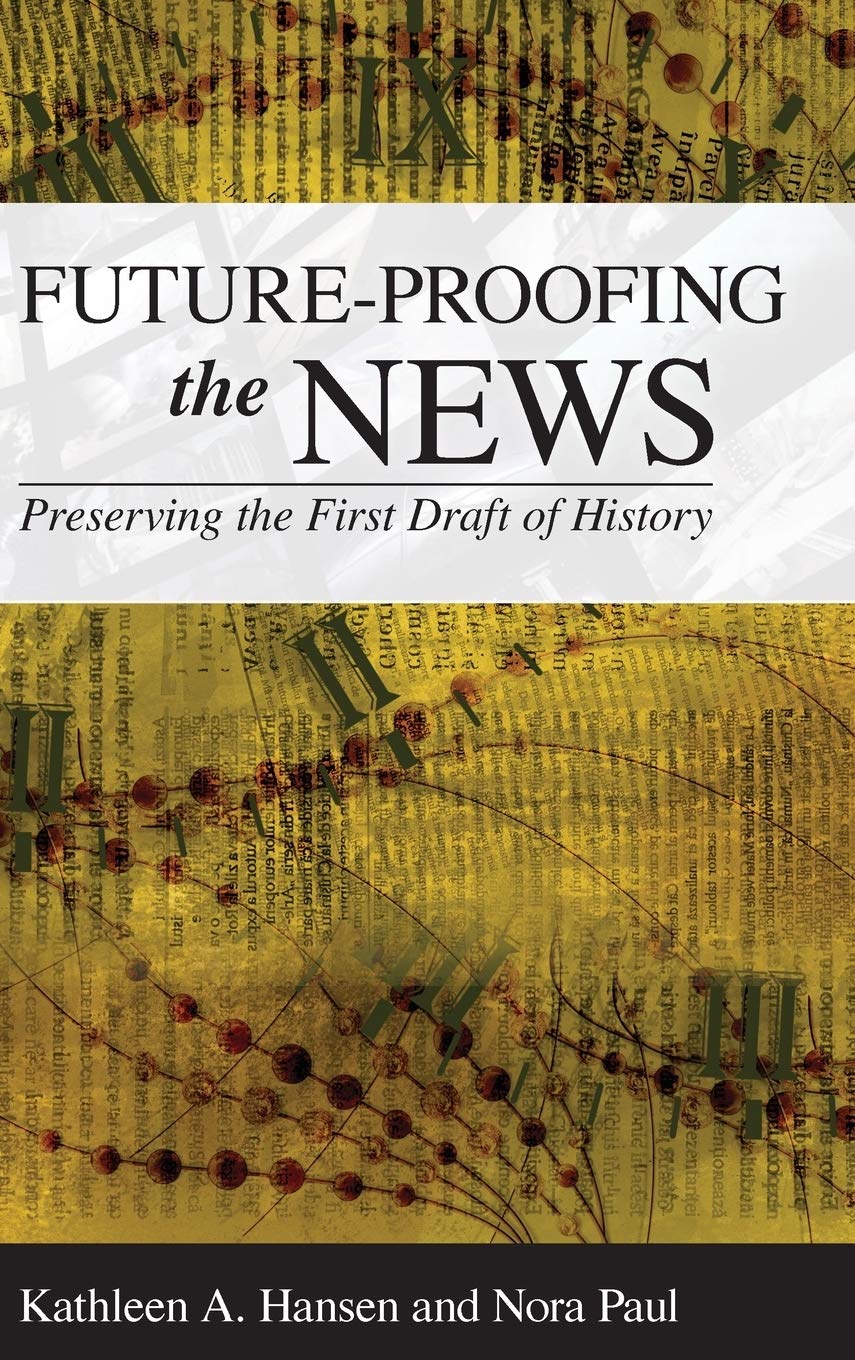
FutureProofing the News: Preserving the First Draft of History,Used
Sold by Ergodebooks, an authorized reseller.
Returns accepted within 30 days | support@ergodebooks.com
Shipping Information
- Free Standard Shipping — United States only
- Processing Time: 3–5 business days
- Estimated Delivery: 6–10 business days after dispatch
- Double-boxed, fully insured & discreetly packaged
- Tracking number sent via email once dispatched
Returns & Refund
Returns accepted within 30 days of delivery.
Damaged or Defective Item
Free return shipping + replacement or full refund
Wrong Item Received
Free return shipping + replacement or full refund
Change of Mind
Return shipping at customer's expense · 25% restocking fee applies
Payment Option

News coverage is often described as the first draft of history. From the publication in 1690 of the first American newspaper, Publick Occurrences, to the latest tweet, news has been disseminated to inform its audience about what is going on in the world. But the preservation of news content has had its technological, legal, and organizational challenges. Over the centuries, as new means of finding, producing, and distributing news were developed, the methods used to ensure future generations access changed, and new challenges for news content preservation arose. This book covers the history of news preservation (or lack thereof), the decisions that helped ensure (or doom) its preservation, and the unique preservation issues that each new form of media brought.All but one copy of Publick Occurrences were destroyed by decree. The woodpulp based newsprint used for later newspapers crumbled to dust. Early microfilm disintegrates to acid and decades of microfilmed newspapers have already dissolved in their storage drawers. Early radio and television newscasts were rarely captured and when they were, the technological formats for accessing the tapes are long superseded. Sounds and images stored on audio and videotapes fade and become unreadable. The early years of web publication by news organizations were lost by changes in publishing platforms and a false security that everything on the Internet lives forever.In 50 or 100 years, what will we be able to retrieve from todays news output? How will we tell the story of this time and place? Will we have better access to news produced in 1816 than news produced in 2016? These are some of the questions FutureProofing the News aims to answer.
⚠️ WARNING (California Proposition 65):
This product may contain chemicals known to the State of California to cause cancer, birth defects, or other reproductive harm.
For more information, please visit www.P65Warnings.ca.gov.