If you have any questions, you are always welcome to contact us. We'll get back to you as soon as possible, withing 24 hours on weekdays.
Customer service
All questions about your order, return and delivery must be sent to our customer service team by e-mail at yourstore@yourdomain.com
Sale & Press
If you are interested in selling our products, need more information about our brand or wish to make a collaboration, please contact us at press@yourdomain.com
Help
If you have any questions, you are always welcome to contact us. We'll get back to you as soon as possible, withing 24 hours on weekdays.
Customer service
All questions about your order, return and delivery must be sent to our customer service team by e-mail at yourstore@yourdomain.com
Sale & Press
If you are interested in selling our products, need more information about our brand or wish to make a collaboration, please contact us at press@yourdomain.com
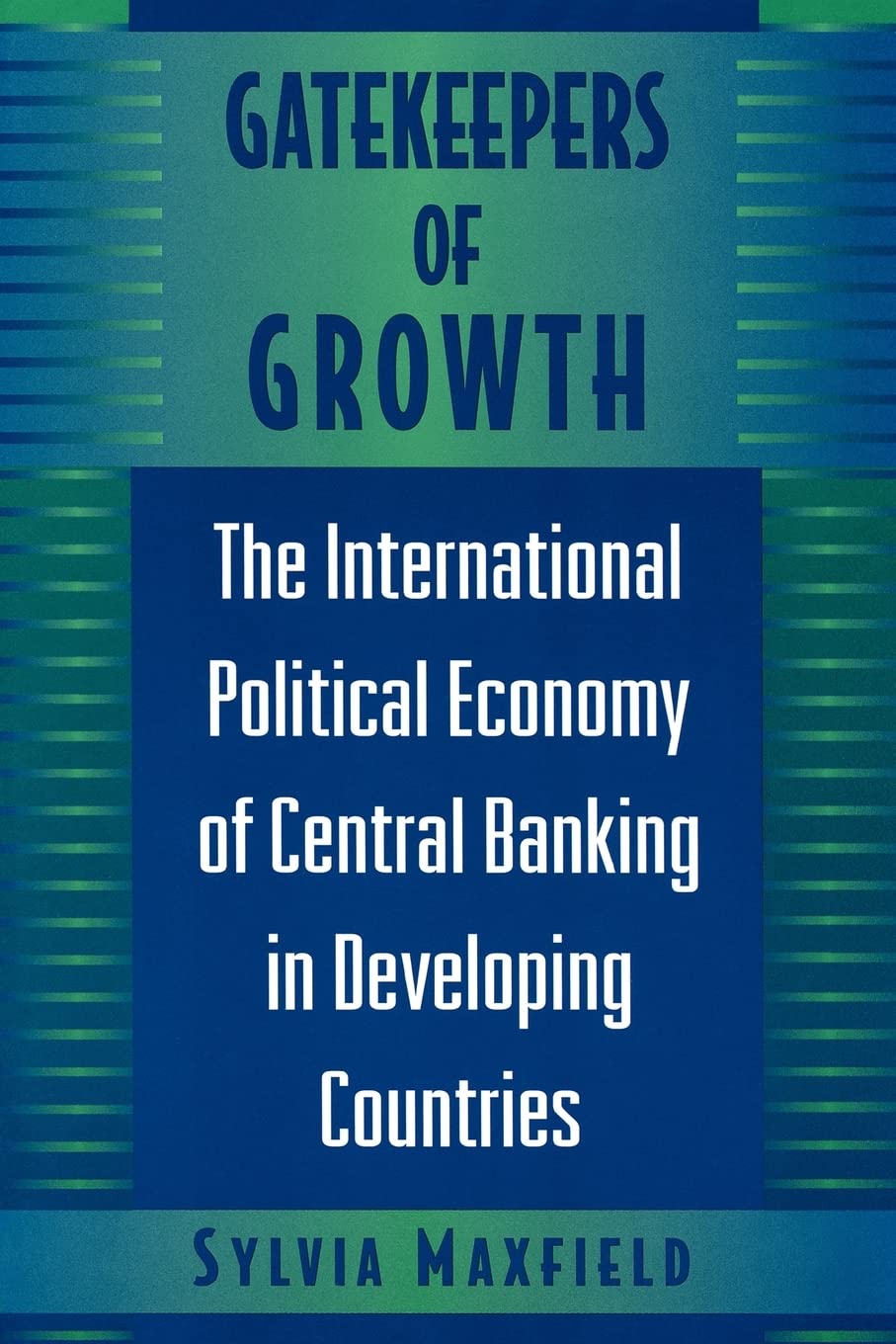
Central banks can shape economic growth, affect income distribution, influence a country's foreign relations, and determine the extent of its democracy. While there is considerable literature on the political economy of central banking in OECD countries, this is the first booklength study focused on central banking in emerging market countries. Surveying the dramatic worldwide trend toward increased central bank independence in the 1990s, the book argues that global forces must be at work. These forces, the book contends, center on the character of international financial intermediation. Going beyond an explanation of central bank independence, Sylvia Maxfield posits a general framework for analyzing the impact of different types of international capital flows on the politics of economic policymaking in developing countries.The book suggests that central bank independence in emerging market countries does not spring from law but rather from politics. As long as politicians value them, central banks will enjoy independence. Central banks are most likely to be independent in developing countries when politicians desire international creditworthiness. Historical analyses of central banks in Brazil, Mexico, South Korea, and Thailand, and quantitative analyses of a larger sample of developing countries corroborate this investor signaling explanation of broad trends in central bank status.
⚠️ WARNING (California Proposition 65):
This product may contain chemicals known to the State of California to cause cancer,
birth defects, or other reproductive harm.
For MAP (Minimum Advertised Price) violations and Intellectual Property (IP) or Trademark concerns, please contact:
support@ergodebooks.com
⚠️ California Proposition 65 Warning: Some products sold on this website may expose you to chemicals known to the State of California to cause cancer, birth defects, or other reproductive harm. For more information, visit www.P65Warnings.ca.gov.