
Title
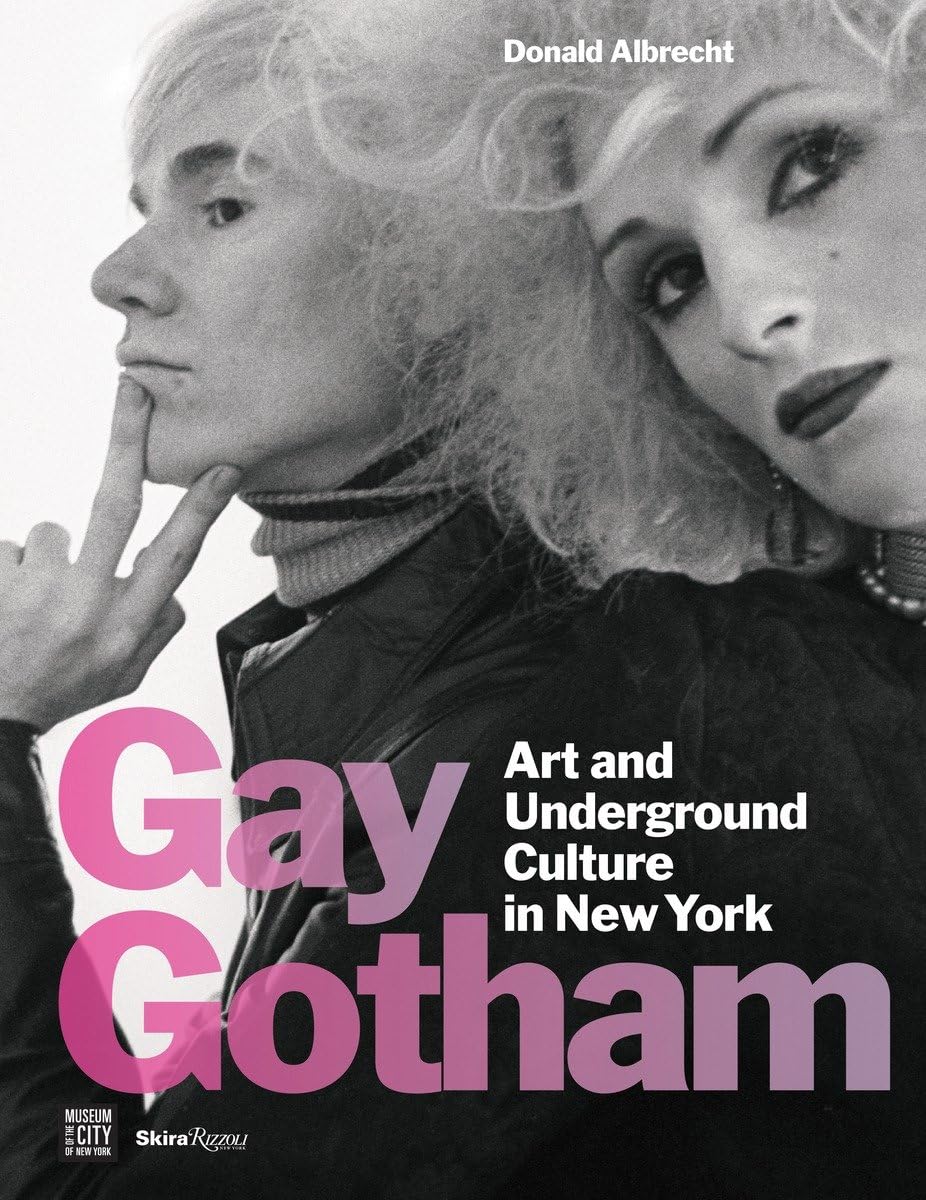
Gay Gotham: Art and Underground Culture in New York,Used
Sold by Ergodebooks, an authorized reseller.
Returns accepted within 30 days | support@ergodebooks.com
Shipping Information
- Free Standard Shipping — United States only
- Processing Time: 3–5 business days
- Estimated Delivery: 6–10 business days after dispatch
- Double-boxed, fully insured & discreetly packaged
- Tracking number sent via email once dispatched
Returns & Refund
Returns accepted within 30 days of delivery.
Damaged or Defective Item
Free return shipping + replacement or full refund
Wrong Item Received
Free return shipping + replacement or full refund
Change of Mind
Return shipping at customer's expense · 25% restocking fee applies
Payment Option

Uncovering the lost history of gay, lesbian, bisexual, and transgender artists in New York City. Queer people have always flocked to New York seeking freedom, forging closeknit groups for support and inspiration. Gay Gotham brings to life the countercultural artistic communities that sprang up over the last hundred years, a creative class whose radical ideas would determine much of modern culture. More than 200 imagesboth works of art, such as paintings and photographs, as well as letters, snapshots, and ephemerailluminate their personal bonds, scandalprovoking secrets at the time and many largely unknown to the public since. Starting with the bohemian era of the 1910s and 1920s, when the pansy craze drew voyeurs of all types to Greenwich Village and Harlem, the book winds through midcentury Broadway as well as Fire Island as it emerged as a hotbed, turns to the postStonewall, decadelong wild party that revolved around clubs like the Mineshaft and Studio 54, and continues all the way through the activist mobilization spurred by the AIDS crisis and the move toward acceptance at the centurys close. Throughout, readers encounter famous figures, from James Baldwin and Mae West to Leonard Bernstein, and discover lesserknown ones, such as Harmony Hammond, Greer Lankton, and Richard Bruce Nugent. Surprising relationships emerge: Andy Warhol and Mercedes de Acosta, Robert Mapplethorpe and Cecil Beaton, George Platt Lynes and Gertrude Stein. By peeling back the overlapping layers of this cultural network that thrived despite its illicitness, this groundbreaking publication reveals a whole new side of the history of New York and celebrates the power of artistic collaboration to transcend oppression.
⚠️ WARNING (California Proposition 65):
This product may contain chemicals known to the State of California to cause cancer, birth defects, or other reproductive harm.
For more information, please visit www.P65Warnings.ca.gov.