
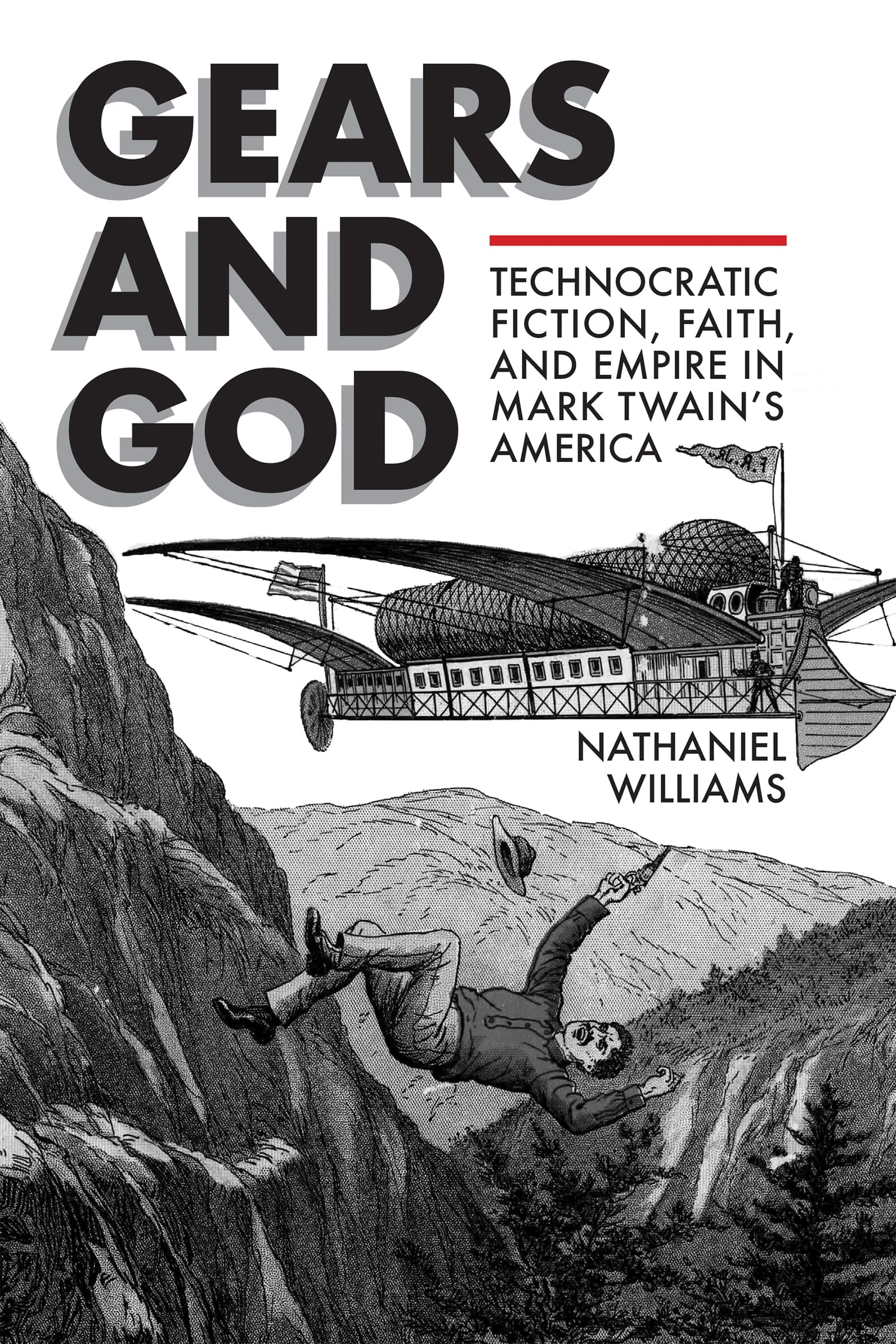
Title
Gears And God: Technocratic Fiction, Faith, And Empire In Mark Twain'S America (Studies In American Literary Realism And Natural,Used
Sold by Ergodebooks, an authorized reseller.
Returns accepted within 30 days | support@ergodebooks.com
Shipping Information
- Free Standard Shipping — United States only
- Processing Time: 3–5 business days
- Estimated Delivery: 6–10 business days after dispatch
- Double-boxed, fully insured & discreetly packaged
- Tracking number sent via email once dispatched
Returns & Refund
Returns accepted within 30 days of delivery.
Damaged or Defective Item
Free return shipping + replacement or full refund
Wrong Item Received
Free return shipping + replacement or full refund
Change of Mind
Return shipping at customer's expense · 25% restocking fee applies
Payment Option

A revealing study of the connections between nineteenthcentury technological fiction and American religious faith.In Gears and God: Technocratic Fiction, Faith, and Empire in Mark Twains America, Nathaniel Williams analyzes the genre of technologythemed exploration novelsdime novel adventure stories featuring steampowered and electrified robots, airships, and submersibles. This genre proliferated during the same cultural moment when evolutionary science was dismantling Americans prevailing, biblically based understanding of human history.While their heyday occurred in the late 1800s, technocratic adventure novels like Twains A Connecticut Yankee in King Arthurs Court inspired later fiction about science and technology. Similar to the science fiction plotlines of writers like Jules Verne and H. Rider Haggard, and anticipating the adventures of Tom Swift some decades later, these novels feature Americans using technology to visit and seize control of remote locales, a trait that has led many scholars to view them primarily as protoimperialist narratives. Their legacy, however, is more complicated. As they grew in popularity, such works became as concerned with the preservation of a fraught AngloProtestant American identity as they were with spreading that identity across the globe.Many of these novels frequently assert the Bibles authority as a historical source. Collectively, such stories popularized the notion that technology and travel might essentially prove the Bibles veracitya message that continues to be deployed in contemporary debates over intelligent design, the teaching of evolution in public schools, and in reality TV shows that seek historical evidence for biblical events. Williams argues that these fictions performed significant cultural work, and he consolidates evidence from the novels themselves, as well as news articles, sermons, and other sources of the era, outlining and mapping the development of technocratic fiction.
⚠️ WARNING (California Proposition 65):
This product may contain chemicals known to the State of California to cause cancer, birth defects, or other reproductive harm.
For more information, please visit www.P65Warnings.ca.gov.