If you have any questions, you are always welcome to contact us. We'll get back to you as soon as possible, withing 24 hours on weekdays.
Customer service
All questions about your order, return and delivery must be sent to our customer service team by e-mail at yourstore@yourdomain.com
Sale & Press
If you are interested in selling our products, need more information about our brand or wish to make a collaboration, please contact us at press@yourdomain.com
Help
If you have any questions, you are always welcome to contact us. We'll get back to you as soon as possible, withing 24 hours on weekdays.
Customer service
All questions about your order, return and delivery must be sent to our customer service team by e-mail at yourstore@yourdomain.com
Sale & Press
If you are interested in selling our products, need more information about our brand or wish to make a collaboration, please contact us at press@yourdomain.com
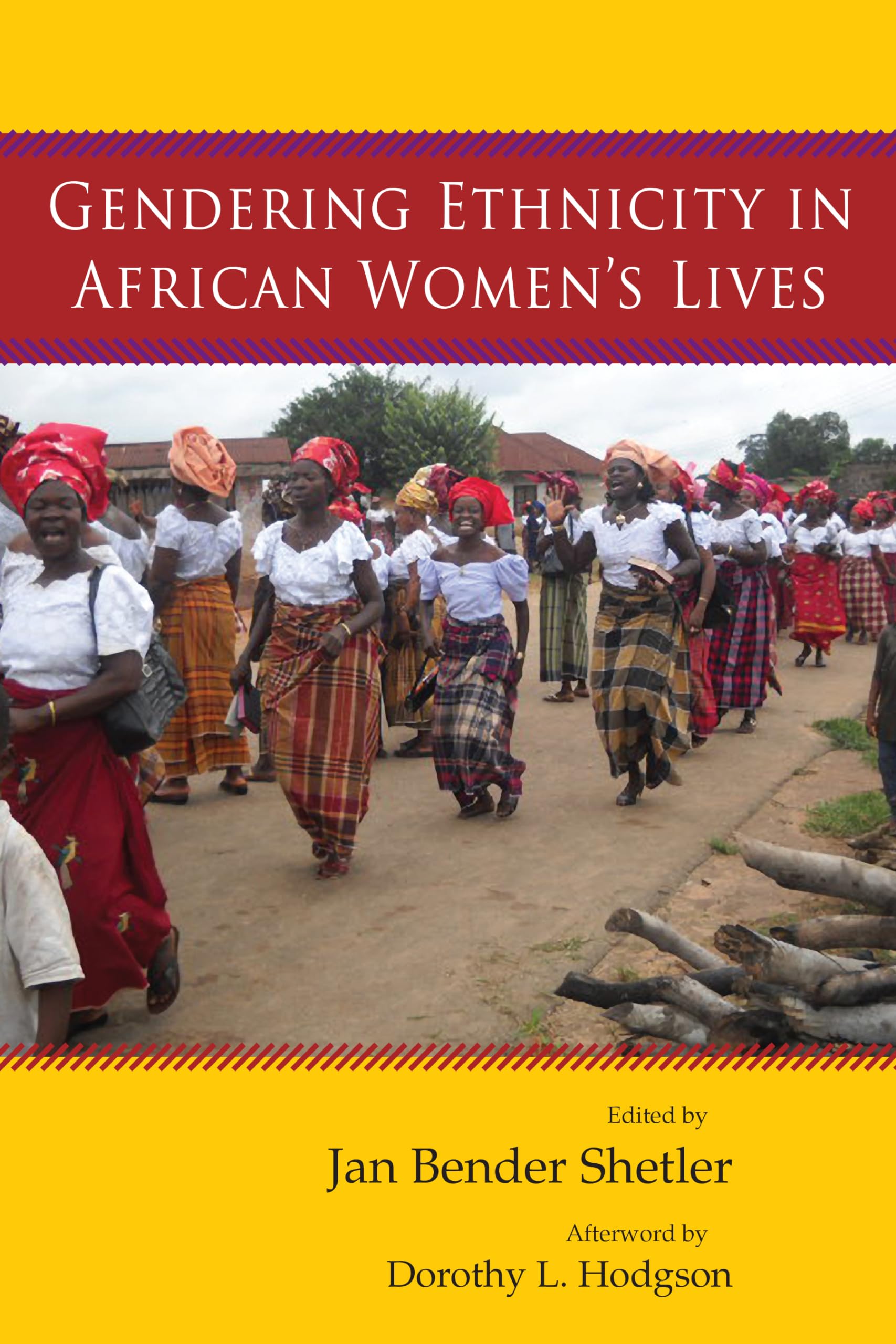
Do African men and women think about and act out their ethnicity in different ways? Most studies of ethnicity in Africa consider mens experiences, but rarely have scholars examined whether women have the same idea of what it means to be, for example, Igbo or Tswana or Kikuyu. Or, studies have invoked the adage women have no tribe to indicate a womans loss of ethnicity as she marries into her husbands community. This volume engages directly the issue of womens ethnicity and makes stimulating contributions to debates about how and why womens movements have a unifying role in African political organization and peace movements.Drawing on extensive field research in many different regions of Africa, the contributors demonstrate in their essays that women do make choices about the forms of ethnicity they embrace, creating alternatives to malecentered definitionsin some cases rejecting a specific ethnic identity in favor of an interethnic alliance, in others reinterpreting the meaning of ethnicity within gendered domains, and in others performing ethnic power in gendered ways. Their analysis helps explain why African women may be more likely to champion interethnic political movements while men often promote an ethnicity based on martial masculinity. Bringing together anthropologists, historians, linguists, and political scientists, Gendering Ethnicity in African Womens Lives offers a diverse and timely look at a neglected but important topic.
⚠️ WARNING (California Proposition 65):
This product may contain chemicals known to the State of California to cause cancer,
birth defects, or other reproductive harm.
For MAP (Minimum Advertised Price) violations and Intellectual Property (IP) or Trademark concerns, please contact:
support@ergodebooks.com
⚠️ California Proposition 65 Warning: Some products sold on this website may expose you to chemicals known to the State of California to cause cancer, birth defects, or other reproductive harm. For more information, visit www.P65Warnings.ca.gov.