
Title
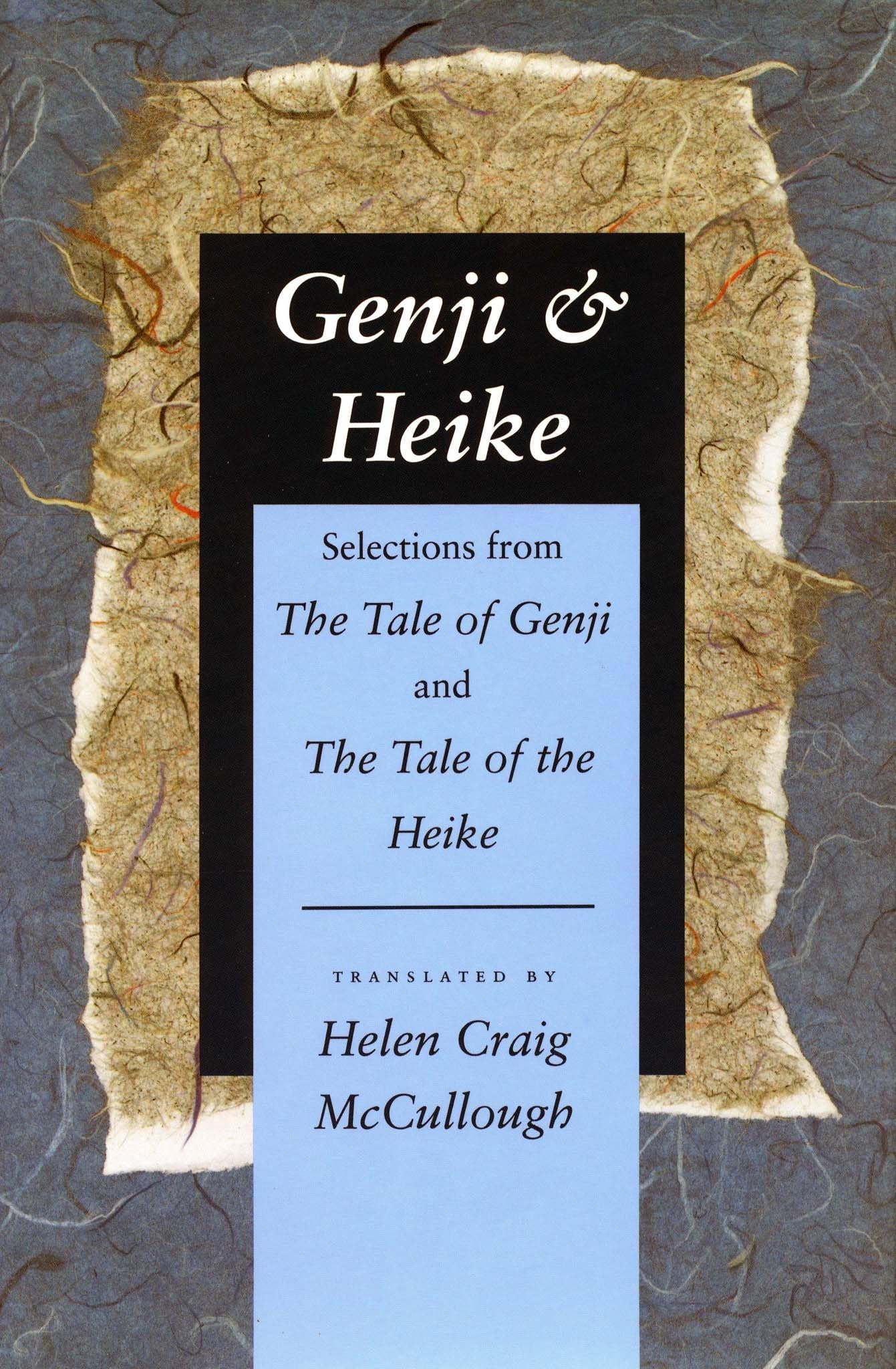
Genji & Heike: Selections From The Tale Of Genji And The Tale Of The Heike,Used
Sold by Ergodebooks, an authorized reseller.
Returns accepted within 30 days | support@ergodebooks.com
Shipping Information
- Free Standard Shipping — United States only
- Processing Time: 3–5 business days
- Estimated Delivery: 6–10 business days after dispatch
- Double-boxed, fully insured & discreetly packaged
- Tracking number sent via email once dispatched
Returns & Refund
Returns accepted within 30 days of delivery.
Damaged or Defective Item
Free return shipping + replacement or full refund
Wrong Item Received
Free return shipping + replacement or full refund
Change of Mind
Return shipping at customer's expense · 25% restocking fee applies
Payment Option

The Tale of Genji and The Tale of the Heike are the two major works of classical Japanese prose. The complete versions of both works are too long to be taught in one term, and this abridgement answers the need for a onevolume edition of both works suitable for use in survey courses in classical Japanese literature or world literature in translation and by the general reader daunted by the complete works. The translator has selected representative portions of the two texts with a view to shaping the abridgments into coherent, aesthetically acceptable wholes.Often called the world's earliest novel, The Tale of Genji, by Murasaki Shikibu, is a poetic evocation of aristocratic life in eleventhcentury Japan, a period of brilliant cultural efflorescence. This new translation focuses on important events in the life of its main character, Genji. It traces the full length of Genji's relationship with Murasaki, the deepest and most enduring of his emotional attachments, and contains all or parts of 10 of the 41 chapters in which Genji figures, including the 'Broom Tree' chapter, which provides a reprise of the themes of the book.In romanticized but essentially truthful fashion, The Tale of the Heike describes the late twelfthcentury political intrigues and battlefield clashes that led to the eclipse of the Kyoto court and the establishment of a military government by the rival Minamotho (Genji) clan. Its underlying theme, the evanescence of worldly things, echoes some of the concerns of the Genji, but its language preserves many traces of oral composition, and its vigor and expansivelness contrast sharply with the pensive, elegant tone of the Genji. The selections of the Heike, about 40 percent of the owrk, are taken from the translator's complete edition, which received great acclaim: 'this verison of the Heike is superb and indeed reveals to Englishlanguage readers for the first time the full scope, grandeur, and literary richness of the work.'Journal of Asian StudiesFor both the Genji and the Heike abridgments, the translator has provided introductions, headnote summaries, adn other supplementary maerials designed to help readers follow the sometimes confused story lines and keep the characters straight. The book also includes an appendix, a glossary, a bibliography, and two maps.
⚠️ WARNING (California Proposition 65):
This product may contain chemicals known to the State of California to cause cancer, birth defects, or other reproductive harm.
For more information, please visit www.P65Warnings.ca.gov.