
Title
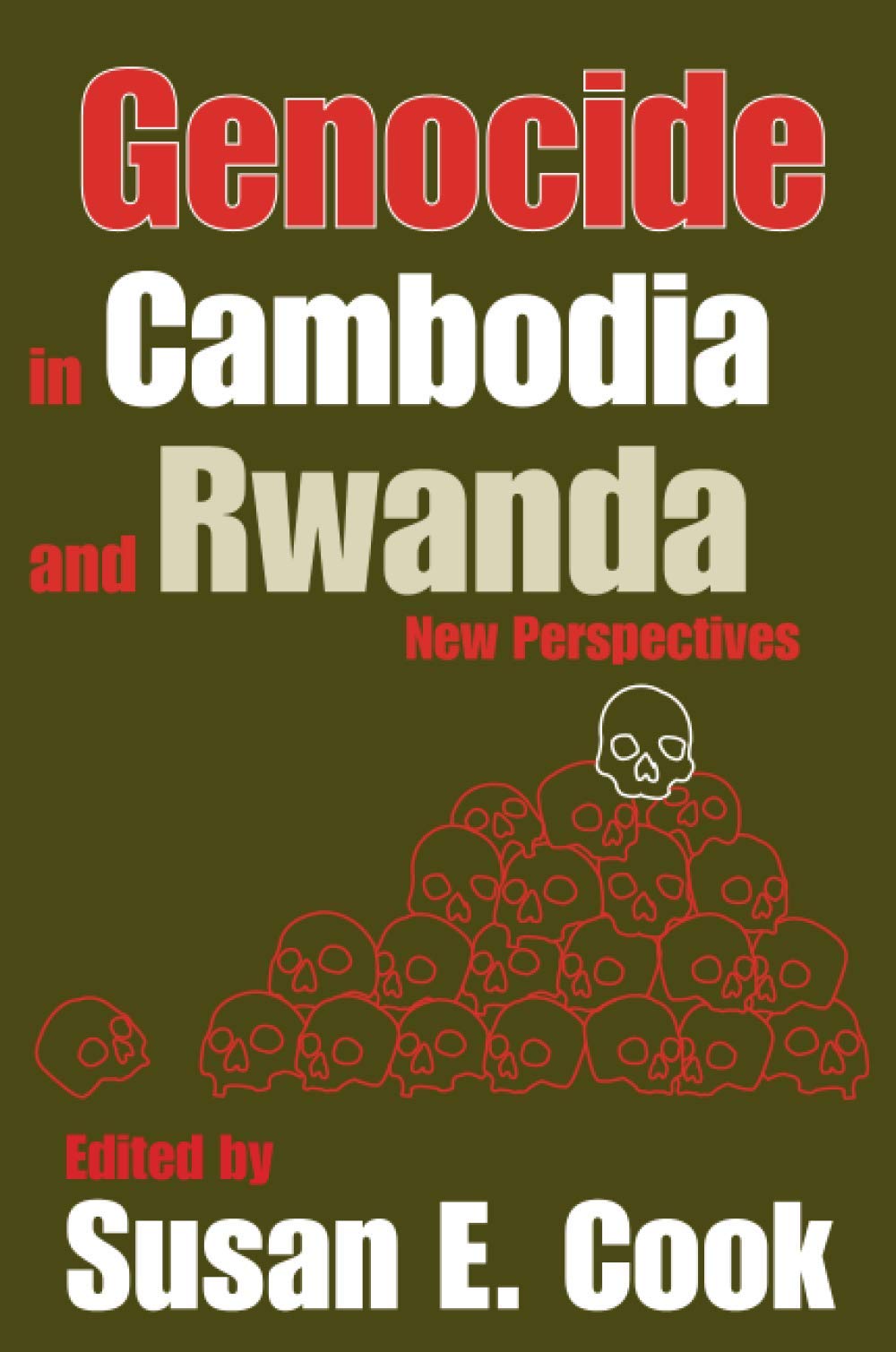
Genocide in Cambodia and Rwanda,Used
Sold by Ergodebooks, an authorized reseller.
Returns accepted within 30 days | support@ergodebooks.com
Shipping Information
- Free Standard Shipping — United States only
- Processing Time: 3–5 business days
- Estimated Delivery: 6–10 business days after dispatch
- Double-boxed, fully insured & discreetly packaged
- Tracking number sent via email once dispatched
Returns & Refund
Returns accepted within 30 days of delivery.
Damaged or Defective Item
Free return shipping + replacement or full refund
Wrong Item Received
Free return shipping + replacement or full refund
Change of Mind
Return shipping at customer's expense · 25% restocking fee applies
Payment Option

This volume deals with aspects of genocide in Rwandaand Cambodia that have been largely unexplored to date, including the impact of regional politics and the role played by social institutions in perpetrating genocide. Although the 'story' of the Cambodian genocide of 19751979 and that of the Rwandan genocide of 1994 have been written about in detail, most have focused on how the genocides took place, what the ideas and motives were that led extremist factions to attempt to kill whole sections of their country's population, and who their victims were. This volume builds on our understanding of genocide in Cambodia and Rwanda by bringing new issues, sources, and approaches into focus.The chapters in this book are grouped so that a single theme^s explored in both the Cambodian and Rwandan contexts; their ordering is designed to facilitate comparative analysis. The first three chapters emphasize the importance of political discourse in the genocidal process. Chapters 4 and 5 examine social institutions and explore their role in the genocidal process. Chapters 6 and 7 describe the military trajectories of the genocidal regimes in Cambodia and Rwanda after their overthrow, showing that genocide and genocidal intents as a political program do not cease the moment the massacres subside. The final chapters deal with private and public efforts to memorialize the genocides in the months and years following the killing.Drawing on ten years of genocide studies at Yale, this excellent anthology assembles highquality new research from a variety of continents, disciplines, and languages. It will be an important addition to ongoing research on genocide.
⚠️ WARNING (California Proposition 65):
This product may contain chemicals known to the State of California to cause cancer, birth defects, or other reproductive harm.
For more information, please visit www.P65Warnings.ca.gov.