
Title
Geographical Targeting For Poverty Alleviation: Methodology And Applications (World Bank Regional And Sectoral Studies),New
Sold by Ergodebooks, an authorized reseller.
Returns accepted within 30 days | support@ergodebooks.com
Shipping Information
- Free Standard Shipping — United States only
- Processing Time: 3–5 business days
- Estimated Delivery: 6–10 business days after dispatch
- Double-boxed, fully insured & discreetly packaged
- Tracking number sent via email once dispatched
Returns & Refund
Returns accepted within 30 days of delivery.
Damaged or Defective Item
Free return shipping + replacement or full refund
Wrong Item Received
Free return shipping + replacement or full refund
Change of Mind
Return shipping at customer's expense · 25% restocking fee applies
Payment Option

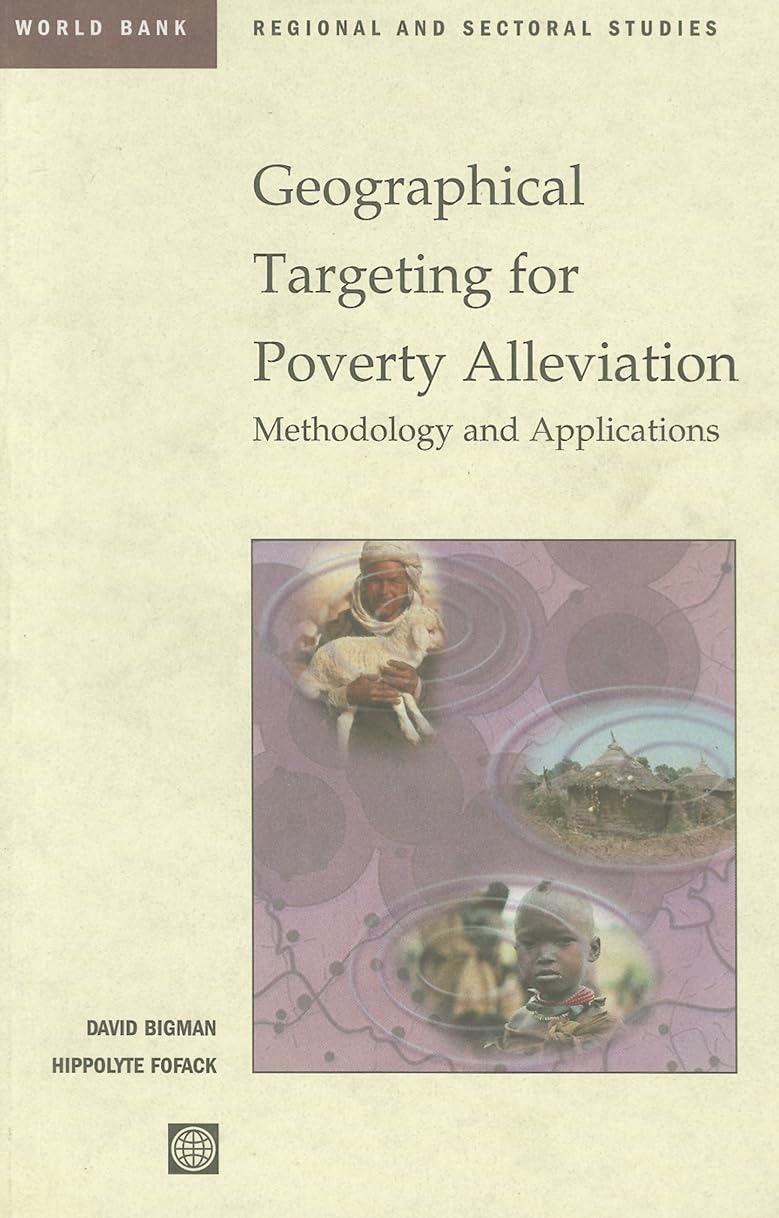
'..in many developing countries, there are large differences in economic conditions and the standard of living between regions, and even between communities within the same region. In many countries, poverty has a clear geographic dimension, since the poor are often concentrated in pockets of poverty. Therefore, the design of poverty alleviation policies must also have a signficant spatial component.' Although development projects are carefully designed and meticulously evaluated for cost effectiveness and benefits, too many of them are not sufficiently targeted geographically. The growing availability and use of spatial data, organized in a computer system such as a geographical information system (GIS), makes it more feasible to analyze the impact of projects in specific locales and to achieve more effective targeting. 'Geographical Targeting for Poverty Alleviation' introduces the basic concepts of a GIS. It also demonstrates how to organize geographic and nongeographic data. In addition, it presents different methods for using the data of the Household Income and Expenditure Survey, together with other surveys and the population census, to provide estimates for the standard of living and the incidence of poverty incidence in different geographical areas of a country. Ultimately, these estimates should be used to establish guidelines for targeting poverty alleviation projects. This publication illustrates different GIS applications for identifying the project's target population, determining the project's spatial 'sphere of influence' or deciding where to locate public facilities. This publication is of interest to task managers, economists, development researchers, and geographers.
⚠️ WARNING (California Proposition 65):
This product may contain chemicals known to the State of California to cause cancer, birth defects, or other reproductive harm.
For more information, please visit www.P65Warnings.ca.gov.