
Title
George Bellows and Urban America,New
Sold by Ergodebooks, an authorized reseller.
Returns accepted within 30 days | support@ergodebooks.com
Shipping Information
- Free Standard Shipping — United States only
- Processing Time: 3–5 business days
- Estimated Delivery: 6–10 business days after dispatch
- Double-boxed, fully insured & discreetly packaged
- Tracking number sent via email once dispatched
Returns & Refund
Returns accepted within 30 days of delivery.
Damaged or Defective Item
Free return shipping + replacement or full refund
Wrong Item Received
Free return shipping + replacement or full refund
Change of Mind
Return shipping at customer's expense · 25% restocking fee applies
Payment Option

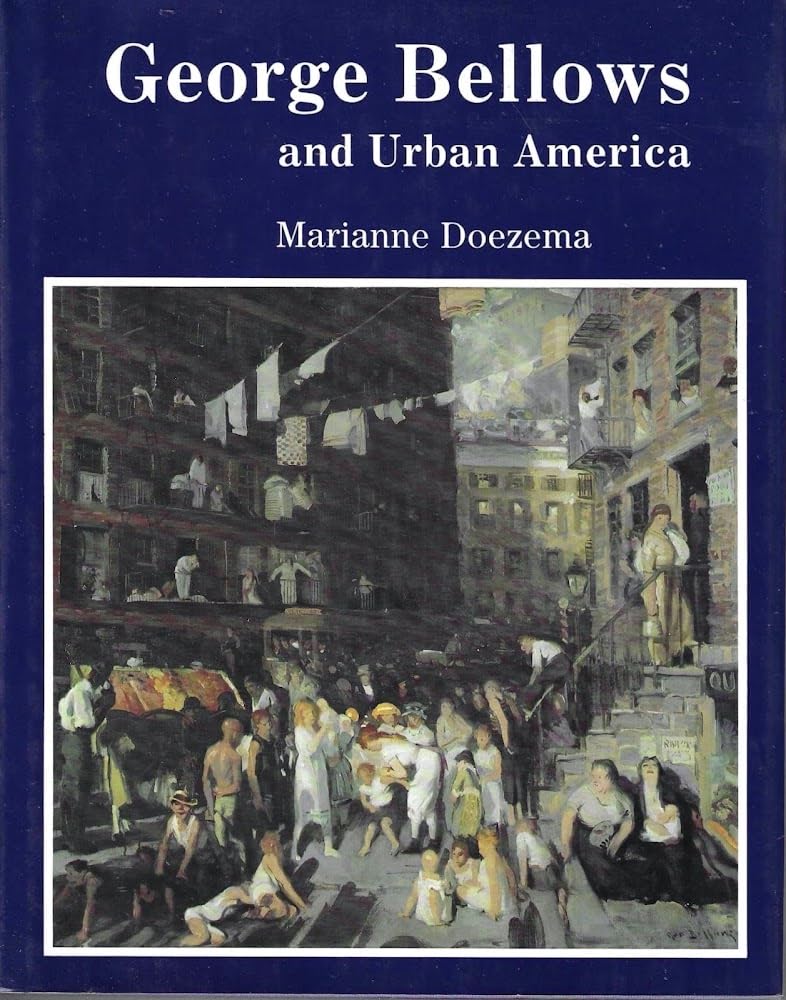
George Bellowss spirited and virile paintings of New York in the early decades of the twentieth century celebrated the citys bigness and bolness. Although these works clearly challenged the conservative practices of the National Academy and linked Bellows with the antiacademic art of Robert Henri and the Eight, they were highly popular, even with archconservatives. In this book Marianne Doezema explores why it was that Bellowss paintingsdespite being considered coarse in technique and subject matterwere acclaimed by critics and patrons, by conservatives, progressives, and radicals alike.Doezema focuses on three of Bellowss principal urban themes: the excavation for Pennsylvania Station, prizefights, and tenement life on the Lower East Side. Drawing on journals and periodicals of the period, she discusses how the prominent, often newsworthy motifs painted by Bellows evoked particular associations and meanings for his contemporaries. Arguing that the implicit message of these paintings was distinctly unrevolutionary, she shows that the excavation paintings celebrated industrialization and urbanization, the boxing pictures presented the sport as brutal and its fans as bloodthirsty, and the depictions of the Lower East Side conformed to a moralistic, middleclass view of poverty. In many of Bellowss subject pictures of this era, says Doezema, the artist approached issues of changing moral and social values in a way that not only seemed congenial to many members of his audience but also verified their attitudes and preconceptions about urban life in America.
⚠️ WARNING (California Proposition 65):
This product may contain chemicals known to the State of California to cause cancer, birth defects, or other reproductive harm.
For more information, please visit www.P65Warnings.ca.gov.