
Title
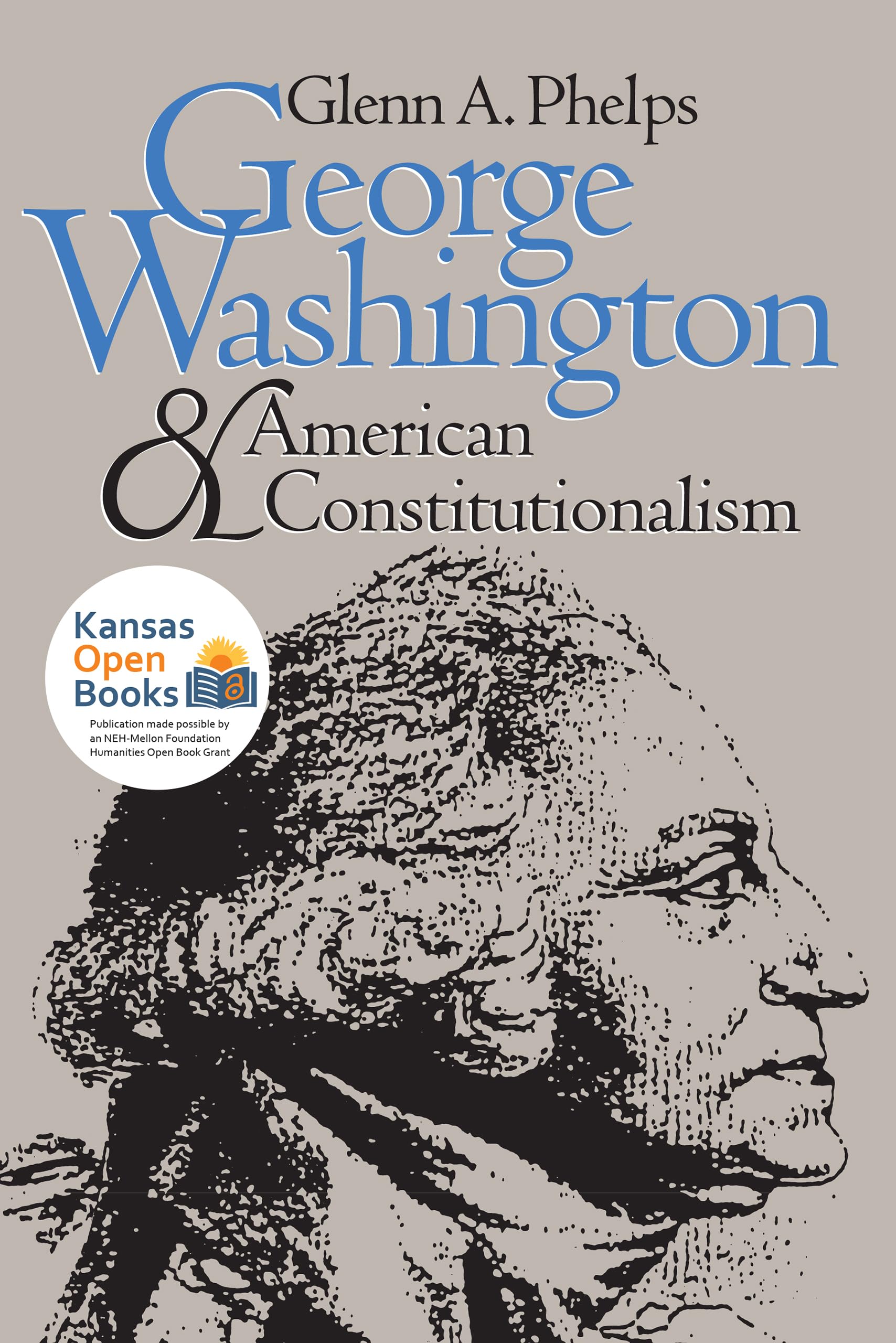
George Washington and American Constitutionalism (American Political Thought),Used
Sold by Ergodebooks, an authorized reseller.
Returns accepted within 30 days | support@ergodebooks.com
Shipping Information
- Free Standard Shipping — United States only
- Processing Time: 3–5 business days
- Estimated Delivery: 6–10 business days after dispatch
- Double-boxed, fully insured & discreetly packaged
- Tracking number sent via email once dispatched
Returns & Refund
Returns accepted within 30 days of delivery.
Damaged or Defective Item
Free return shipping + replacement or full refund
Wrong Item Received
Free return shipping + replacement or full refund
Change of Mind
Return shipping at customer's expense · 25% restocking fee applies
Payment Option

Known as the Father of His Country, George Washington is viewed as a demigod for what he was and did, not what he thought. In addition to being a popular icon for the forces of American nationalism, he served as commanderinchief of the victorious Continental Army. That he played a key role in securing the adoption of the Constitution is well known, but few credit him with a political philosophy that actively shaped the constitutional tradition.In this revisionist study, Glenn Phelps argues that Washington's political thought influenced the principles informing the federal government then and now. Disinclined to enter the debates by which the framers hammered out a consensus, Washington instead sought to promote his way of thinking through private correspondence, and the example of his public life.From these sources Phelps draws out his political ideas and demonstrates that Washington developed a coherent and consistent view of a republican government on a continental scale long before Madison, Hamilton, and other nationalistsa view grounded in classically conservative republicanism and continentallyminded commercialism. That he was only partially successful in building the constitutional system that he intended does not undercut his theoretical contribution. Even his failures affected the way our constitutional tradition developed.Phelps examines Washington's political ideas not as they were perceived by his contemporaries but in his own words, that is, he shows what Washington believed, not what others thought he believed. He shows how Washington's political values remained consistent over time, regardless of who his counselors or 'ghost writers' were. Using letters Washington wrote to friends and familywritten free from the constraints of public politicsPhelps reveals 'a man with a passionate commitment to a fully developed idea of a constitutional republic on a continental scale.'In recent years scholarship about Washington has seemed to focus on mythmaking. For readers interested in the founding period, the framing of what Hamilton called the 'frail fabric,' and constitutionalism, Phelps explores the substance behind the myth.
⚠️ WARNING (California Proposition 65):
This product may contain chemicals known to the State of California to cause cancer, birth defects, or other reproductive harm.
For more information, please visit www.P65Warnings.ca.gov.
- Q: What is the main theme of 'George Washington and American Constitutionalism'? A: The main theme of the book is George Washington's influence on American constitutional thought, arguing that his political philosophy significantly shaped the principles of the federal government.
- Q: Who is the author of this book? A: The author of 'George Washington and American Constitutionalism' is Glenn A. Phelps.
- Q: What condition is the used book in? A: The used book is in good condition, meaning it may show some signs of wear but is still fully functional and readable.
- Q: How many pages does this book have? A: The book contains 248 pages.
- Q: What type of binding does this book have? A: This book is available in paperback binding.
- Q: When was this book published? A: The book was published on January 8, 1993.
- Q: What category does this book fall under? A: This book falls under the category of 'Revolution & Founding'.
- Q: What edition of the book is available? A: The available edition of the book is a reprint.
- Q: What are some key features of this book? A: Key features of the book include its exploration of Washington's political ideas through his personal letters and a revisionist perspective on his contributions to constitutionalism.
- Q: Is this book suitable for readers interested in American history? A: Yes, this book is suitable for readers interested in American history, particularly those focused on the founding period and constitutionalism.