
Title
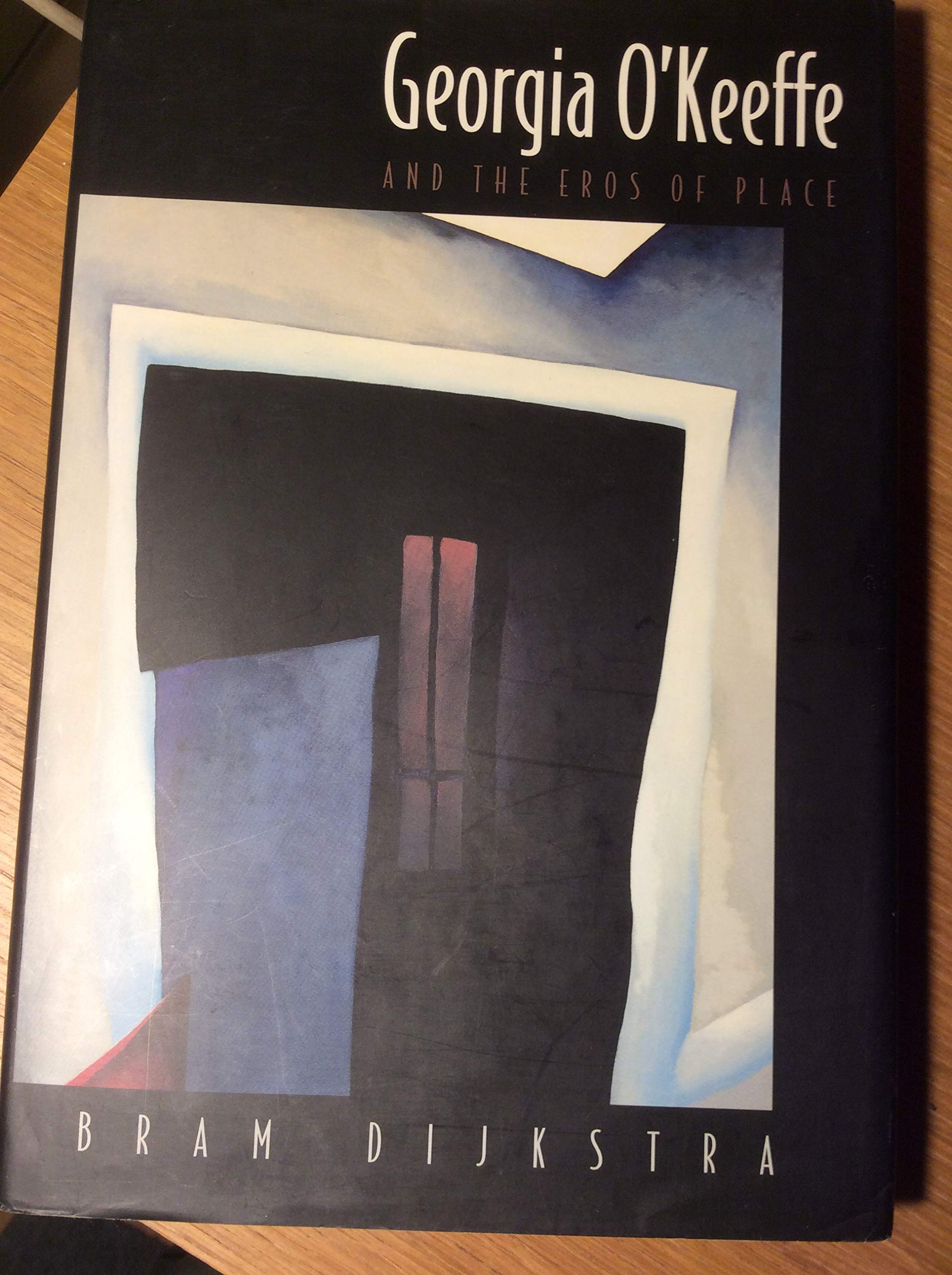
Georgia O'Keeffe And The Eros Of Place,Used
Sold by Ergodebooks, an authorized reseller.
Returns accepted within 30 days | support@ergodebooks.com
Shipping Information
- Free Standard Shipping — United States only
- Processing Time: 3–5 business days
- Estimated Delivery: 6–10 business days after dispatch
- Double-boxed, fully insured & discreetly packaged
- Tracking number sent via email once dispatched
Returns & Refund
Returns accepted within 30 days of delivery.
Damaged or Defective Item
Free return shipping + replacement or full refund
Wrong Item Received
Free return shipping + replacement or full refund
Change of Mind
Return shipping at customer's expense · 25% restocking fee applies
Payment Option

Georgia O'Keeffe has long been recognized as one of America's most adventurous early modernist artists. But critics often suggest that she became a revolutionary despite her American background, not because of it.Bram Dijkstra challenges that point of view. In this searching reappraisal of O'Keeffe's work, the distinguished cultural historian shows that her art was decisively shaped by the America in which she grew up. In doing so, he casts new light on the facts of O'Keeffe's remarkable life and offers incisive new readings of many of her most important paintings.Art historians have largely accepted the view that O'Keeffe's art was shaped by Alfred Stieglitz and the work of the European modernists she encountered under his tutelagea view actively encouraged by the famous photographer himself. Dijkstra counters this idea by taking us into the cultural environment of her childhood and by illuminating the details of her early education in art. He shows that O'Keeffe's mature style found its origin in such apparently unlikely sources as Edgar Allan Poe's speculations about the androgynous nature of the soul before industrialism, and in what Dijkstra calls the 'transcendental materialism' of the tonalist movement in turnofthecentury American art.Dijkstra also explores O'Keeffe's importantbut until now widely neglectedidentification with the feminist aims and artistic concerns of the radical periodical The Masses. And he shows that even the daring new styles of illustration featured there, and in other magazines of the period, significantly influenced her development of a personal style. Dijkstra argues, moreover, that O'Keeffe's very American search for an organic abstraction of form that would celebrate nature allowed her to develop a humanist style that deliberately challenged the early European modernists' emphasis on mechanistic constructions of form against nature.Beautifully written and painstakingly researched, Georgia O'Keeffe and the Eros of Place is a major reassessment of O'Keeffe's place in American culture and a tribute to the artist's steadfast refusal to abandon her 'provincial' belief in the shaping spirit of place.
⚠️ WARNING (California Proposition 65):
This product may contain chemicals known to the State of California to cause cancer, birth defects, or other reproductive harm.
For more information, please visit www.P65Warnings.ca.gov.