
Title
Getting The Most Out Of Free Trade Agreements In Central America (Directions In Development) (Directions In Development: Trade),New
Sold by Ergodebooks, an authorized reseller.
Returns accepted within 30 days | support@ergodebooks.com
Shipping Information
- Free Standard Shipping — United States only
- Processing Time: 3–5 business days
- Estimated Delivery: 6–10 business days after dispatch
- Double-boxed, fully insured & discreetly packaged
- Tracking number sent via email once dispatched
Returns & Refund
Returns accepted within 30 days of delivery.
Damaged or Defective Item
Free return shipping + replacement or full refund
Wrong Item Received
Free return shipping + replacement or full refund
Change of Mind
Return shipping at customer's expense · 25% restocking fee applies
Payment Option

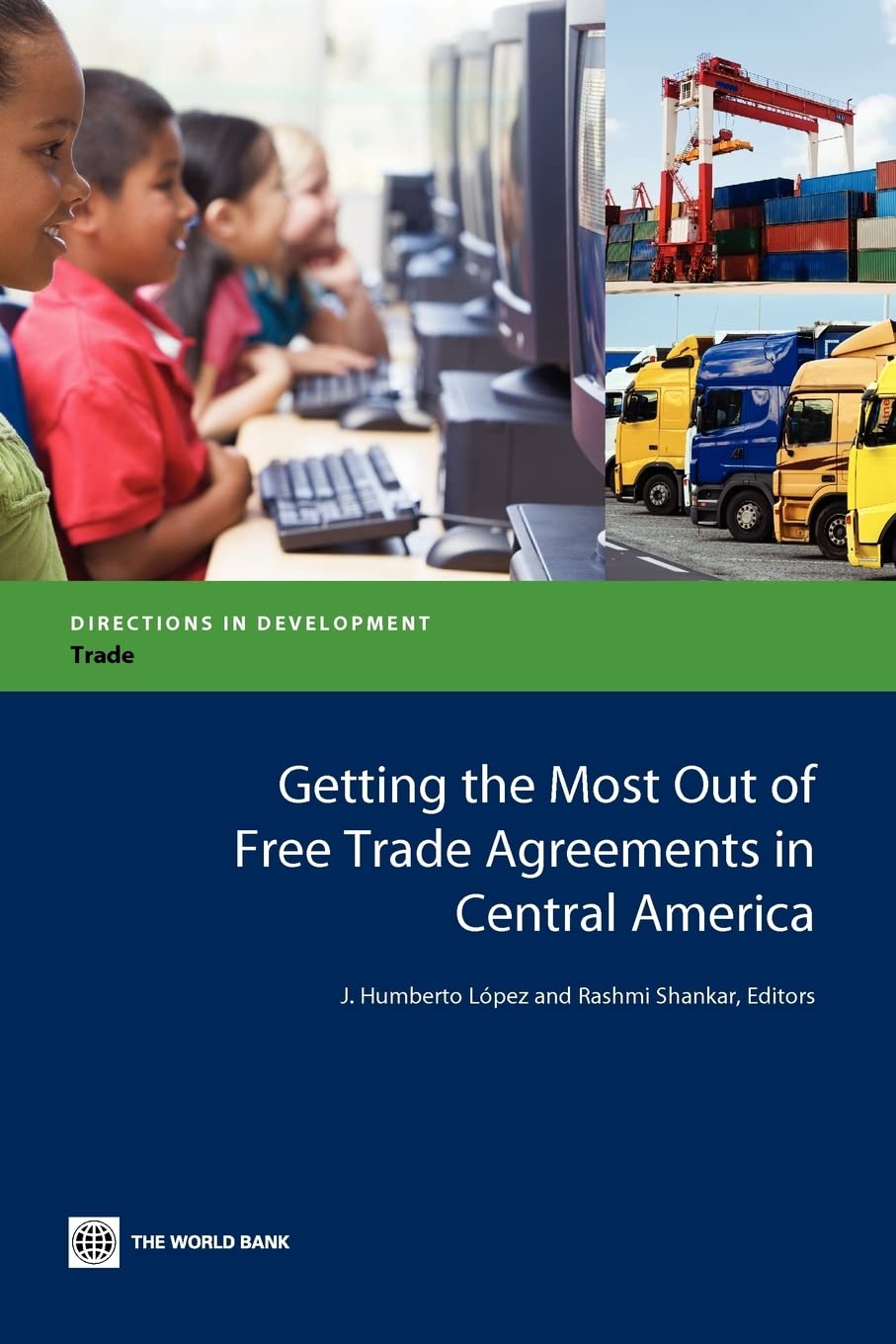
Central America has put the promotion of international trade at the center of its development agenda. Over the past years the region has witnessed the successful conclusion of negotiations for a significant number of free trade agreement, most notably the Dominican RepublicCentral America Free Trade Agreement (DRCAFTA) with the US and the Association Agreement (AA) with the European Union signed in May 2010. The priority given to international trade by Central America is unsurprising. Trade is generally perceived as being both beneficial for growth and a means for advancement for developing countries. There are now plenty of positive experiences with developing countries that have anchored their development strategies around the promotion of trade. The region should be congratulated without reservations for the effort made on this front. However, the real work starts now, with the recognition that trade agreements create opportunities but do not guarantee results. Three main questions are addressed in the background papers prepared for this study. How does trade liberalization enhance the volume of trade? What is the impact of higher trade flows on growth? Is the growth associated with trade equitable and sustainable?The main conclusions of the study therefore aim to inform the ongoing policy discussion on how Central America can get the most out of its free trade agreements: a key message that emerges is that this will depend on the ability of countries to create an enabling policy and institutional environment; one that will stimulate trade flows as well as the growth impact of these flows, while ensuring that growth is inclusive and sustainable.
⚠️ WARNING (California Proposition 65):
This product may contain chemicals known to the State of California to cause cancer, birth defects, or other reproductive harm.
For more information, please visit www.P65Warnings.ca.gov.