If you have any questions, you are always welcome to contact us. We'll get back to you as soon as possible, withing 24 hours on weekdays.
Customer service
All questions about your order, return and delivery must be sent to our customer service team by e-mail at yourstore@yourdomain.com
Sale & Press
If you are interested in selling our products, need more information about our brand or wish to make a collaboration, please contact us at press@yourdomain.com
Help
If you have any questions, you are always welcome to contact us. We'll get back to you as soon as possible, withing 24 hours on weekdays.
Customer service
All questions about your order, return and delivery must be sent to our customer service team by e-mail at yourstore@yourdomain.com
Sale & Press
If you are interested in selling our products, need more information about our brand or wish to make a collaboration, please contact us at press@yourdomain.com
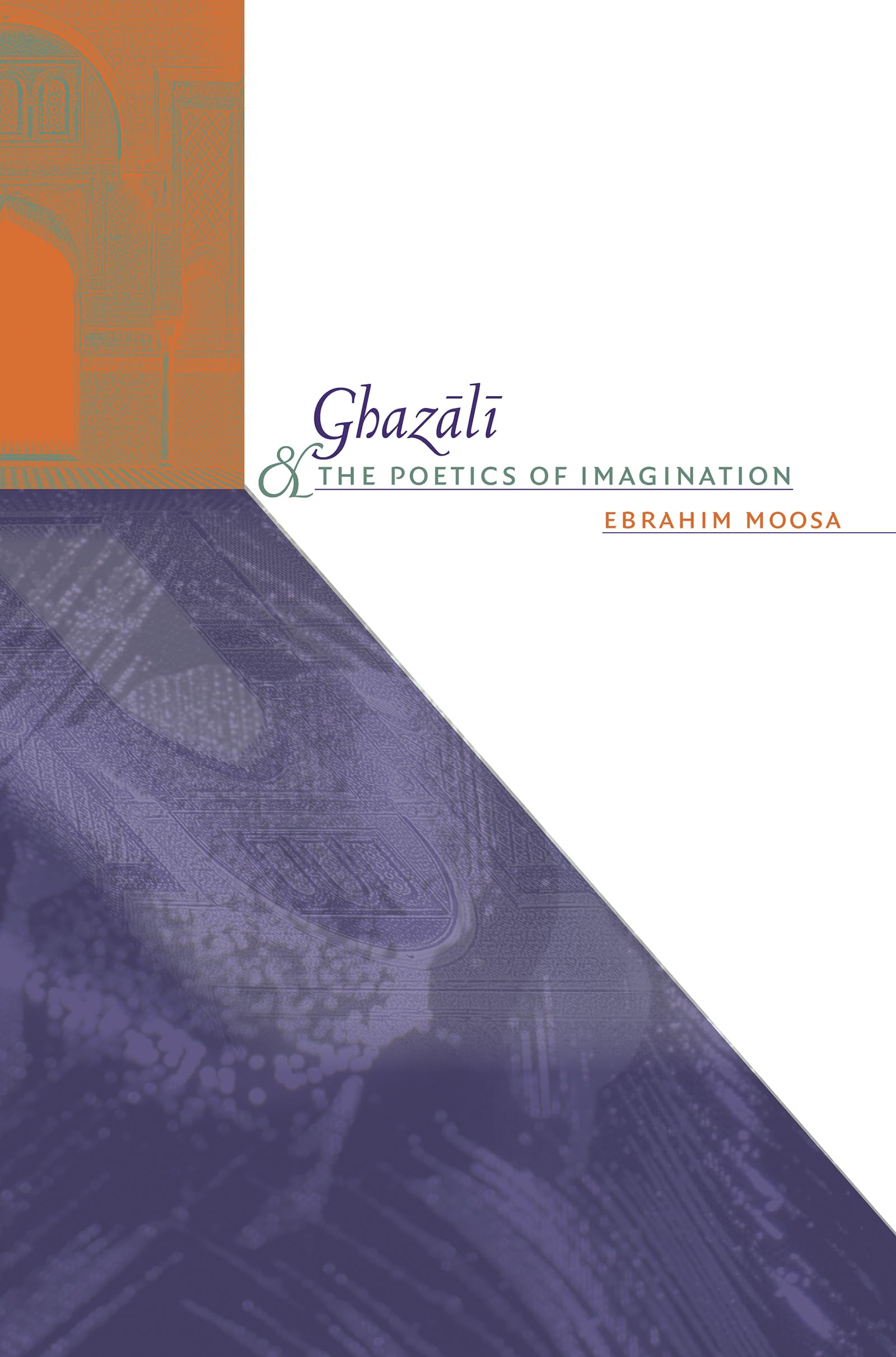
Abu Hamid alGhazali, a Muslim juristtheologian and polymath who lived from the mideleventh to the early twelfth century in presentday Iran, is a figure equivalent in stature to Maimonides in Judaism and Thomas Aquinas in Christianity. He is best known for his work in philosophy, ethics, law, and mysticism. In an engaged rereading of the ideas of this preeminent Muslim thinker, Ebrahim Moosa argues that Ghazali's work has lasting relevance today as a model for a critical encounter with the Muslim intellectual tradition in a modern and postmodern context. Moosa employs the theme of the threshold, or, the space from which Ghazali himself engaged the different currents of thought in his day, and proposes that contemporary Muslims who wish to place their own traditions in conversation with modern traditions consider the same vantage point. Moosa argues that by incorporating elements of Islamic theology, neoplatonic mysticism, and Aristotelian philosophy, Ghazali's work epitomizes the idea that the answers to life's complex realities do not reside in a single culture or intellectual tradition. Ghazali's emphasis on poiesiscreativity, imagination, and freedom of thoughtprovides a sorely needed model for a cosmopolitan intellectual renewal among Muslims, Moosa argues. Such a creative and critical inheritance, he concludes, ought to be heeded by those who seek to cultivate Muslim intellectual traditions in today's tumultuous world.
⚠️ WARNING (California Proposition 65):
This product may contain chemicals known to the State of California to cause cancer,
birth defects, or other reproductive harm.
For MAP (Minimum Advertised Price) violations and Intellectual Property (IP) or Trademark concerns, please contact:
support@ergodebooks.com
⚠️ California Proposition 65 Warning: Some products sold on this website may expose you to chemicals known to the State of California to cause cancer, birth defects, or other reproductive harm. For more information, visit www.P65Warnings.ca.gov.