
Title
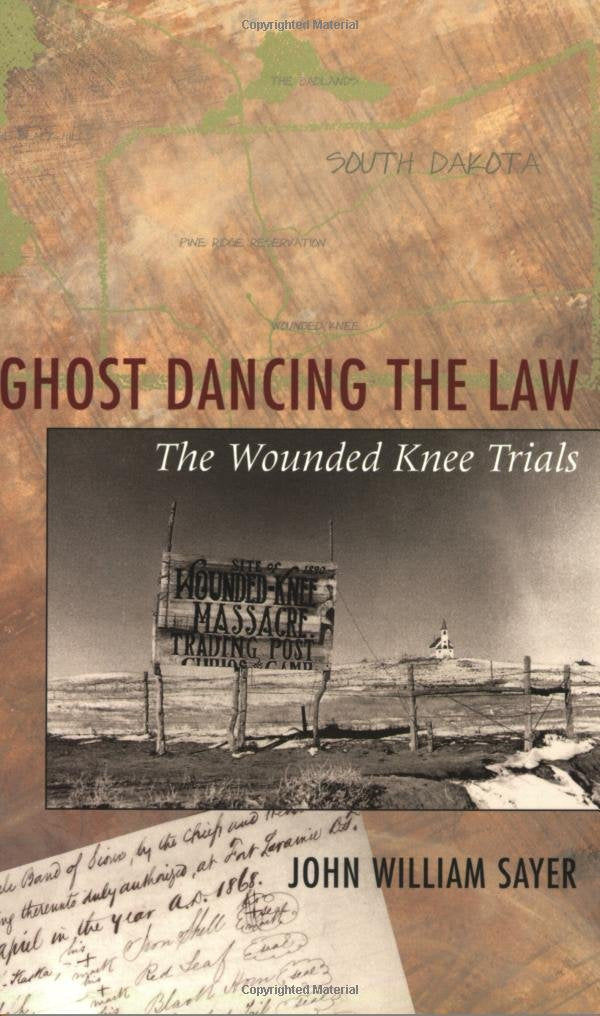
Ghost Dancing the Law: The Wounded Knee Trials,Used
Sold by Ergodebooks, an authorized reseller.
Returns accepted within 30 days | support@ergodebooks.com
Shipping Information
- Free Standard Shipping — United States only
- Processing Time: 3–5 business days
- Estimated Delivery: 6–10 business days after dispatch
- Double-boxed, fully insured & discreetly packaged
- Tracking number sent via email once dispatched
Returns & Refund
Returns accepted within 30 days of delivery.
Damaged or Defective Item
Free return shipping + replacement or full refund
Wrong Item Received
Free return shipping + replacement or full refund
Change of Mind
Return shipping at customer's expense · 25% restocking fee applies
Payment Option

After the siege ended at Wounded Knee, the real battle had yet to be fought. The 1973 standoff in South Dakota between Oglala Lakota Indians and federal lawmen led to the criminal prosecution of American Indian Movement leaders Dennis Banks and Russell Means. The tenmonth trial had all the earmarks of a political tribunal; with the defense led by William Kunstler and the prosecution backed by the Nixon administration, it became a media battle for public opinion.This first booklength study of the Wounded Knee trials demonstrates the impact that legal institutions and the media have on political dissent. It also shows how the dissenters as defendants can influence these institutions and the surrounding political and cultural climate. AIM and its attorneys successfully turned the courtroom into a political forum on the history of U.S.Indian relations but were often frustrated in telling their story by the need to observe legal proceduresand by the media's stereotyping them as Indian warriors or sixties militants. John Sayer draws on court records, news reports, and interviews with participants to show how the defense, and ultimately the prosecution, had to respond continually to legal constraints, media coverage, and political events taking place outside the courtroom.Although Banks and Means and most of the other protesters were acquitted, Sayer notes that the confinement of AIM protests to the courtroom robbed the movement of considerable momentum. Ghost Dancing the Law shows how legal proceedings can effectively quell dissent and represents both a critical chapter in the struggle of Native Americans and an important milestone at the crossroads of law and politics.
⚠️ WARNING (California Proposition 65):
This product may contain chemicals known to the State of California to cause cancer, birth defects, or other reproductive harm.
For more information, please visit www.P65Warnings.ca.gov.