
Title
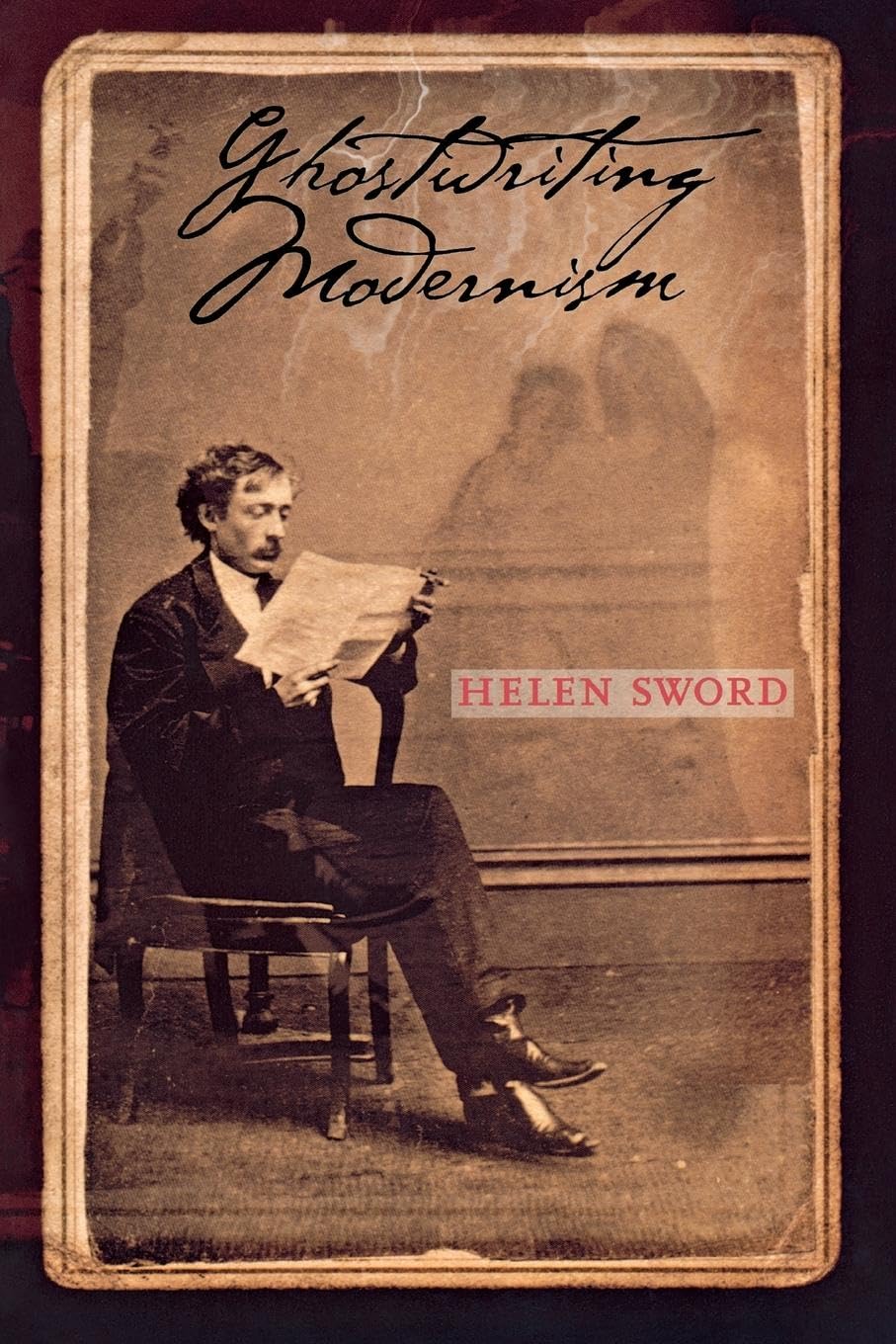
Ghostwriting Modernism,New
Sold by Ergodebooks, an authorized reseller.
Returns accepted within 30 days | support@ergodebooks.com
Shipping Information
- Free Standard Shipping — United States only
- Processing Time: 3–5 business days
- Estimated Delivery: 6–10 business days after dispatch
- Double-boxed, fully insured & discreetly packaged
- Tracking number sent via email once dispatched
Returns & Refund
Returns accepted within 30 days of delivery.
Damaged or Defective Item
Free return shipping + replacement or full refund
Wrong Item Received
Free return shipping + replacement or full refund
Change of Mind
Return shipping at customer's expense · 25% restocking fee applies
Payment Option

Spiritualism is often dismissed by literary critics and historians as merely a Victorian fad. Helen Sword demonstrates that it continued to flourish well into the twentieth century and seeks to explain why. Literary modernism, she maintains, is replete with ghosts and spirits. In Ghostwriting Modernism she explores spiritualism's striking persistence and what she calls 'the vexed relationship between mediumistic discourse and modernist literary aesthetics.'Sword begins with a brief historical review of popular spiritualism's roots in nineteenthcentury literary culture. In subsequent chapters, she discusses the forms of mediumship most closely allied with writing, the forms of writing most closely allied with mediumship, and the thematic and aesthetic alliances between popular spiritualism and modernist literature. Finally, she accounts for the recent proliferation of a spiritualistinfluenced vocabulary (ghostliness, hauntings, the uncanny) in the works of historians, sociologists, philosophers, and especially literary critics and theorists.Documenting the hitherto unexplored relationship between spiritualism and modern authors (some credulous, some skeptical), Sword offers compelling readings of works by James Joyce, T. S. Eliot, W. B. Yeats, H.D., James Merrill, Sylvia Plath, and Ted Hughes. Even as modernists mock spiritualism's ludicrous lingo and deride its metaphysical excesses, she finds, they are intrigued and attracted by its ontological shiftiness, its blurring of the traditional divide between high culture and low culture, and its selfserving tendency to favor form over content (medium, so to speak, over message). Like modernism itself, Sword asserts, spiritualism embraces rather than eschews paradox, providing an ideological space where conservative beliefs can coexist with radical, even iconoclastic, thought and action.
⚠️ WARNING (California Proposition 65):
This product may contain chemicals known to the State of California to cause cancer, birth defects, or other reproductive harm.
For more information, please visit www.P65Warnings.ca.gov.