
Title
GI Ingenuity: Improvisation, Technology, and Winning World War II (War, Technology, and History),Used
Processing time: 1-3 days
US Orders Ships in: 3-5 days
International Orders Ships in: 8-12 days
Return Policy: 15-days return on defective items
Payment Option

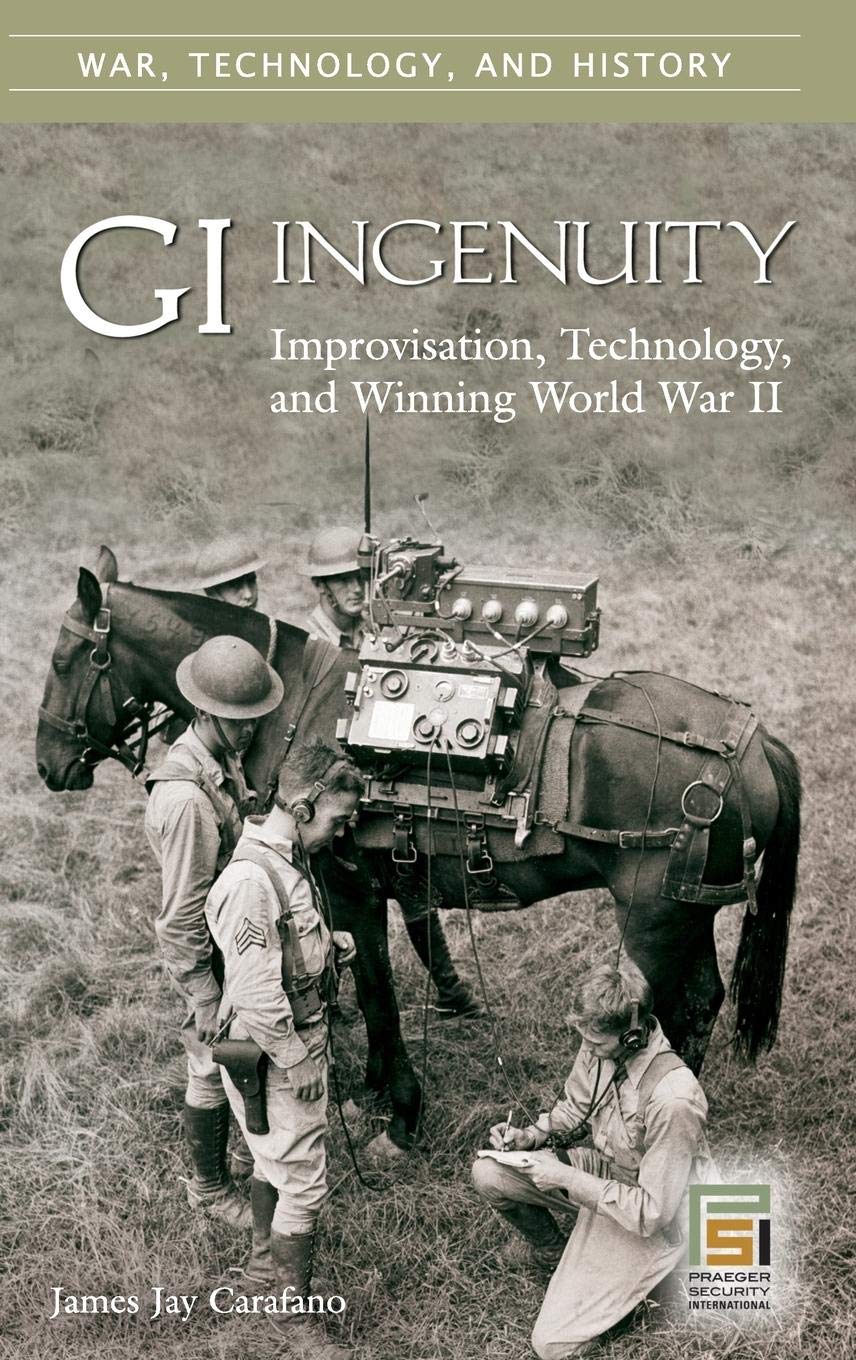
World War II saw the first generation of young men that had grown up comfortable with modern industrial technology go into combat. As kids, the GIs had built jalopies in their garage and poured over glossy, fullcolor issues of Popular Mechanics; they had read Buck Rogers in the Twenty Fifth Century comic books, listened to his adventures on the radio, and watched him pilot rocket ships in the Saturday morning serials at the Bijou. Tinkerers, problemsolvers, risktakers, and daydreamers, they were curious and outspokena generation well prepared to improvise, innovate, and adapt technology on the battlefield. Since they were also a generation which had unprecedented technology available to them, their ability to innovate with technology proved an immeasurable edge on the field of combat. This book tells their story through the experience of the battle of Normandy, bringing together three disparate brands of history: (1) military history; (2) the history of science and technology; and (3) social, economic, cultural, and intellectual history. All three historical narratives combine to tell the tale of GI genius and the process by which GI ingenuity became an enduring feature of the American citizensoldier.GI Ingenuity is in large part an oldfashioned combat history, with mayhem and mass slaughter at center stage. It tells the story of death and destruction on the killing fields of Normandy, as well as the battlegrounds that provide the prologue and postscript to the transformation of war that occurred in France in 1944. This story of GI ingenuity, moreover, puts the battles in the context of the immense social, economic, scientific, and technological changes that accompanied the evolution of combat in the twentieth century. GI Ingenuity illustrates the great transition of the American genius in battle from an industrialage army to a postmodern military. And it does it by looking at the place where the transition happenedon the battlefield.
⚠️ WARNING (California Proposition 65):
This product may contain chemicals known to the State of California to cause cancer, birth defects, or other reproductive harm.
For more information, please visit www.P65Warnings.ca.gov.
- Q: What is the main topic of 'GI Ingenuity'? A: 'GI Ingenuity' focuses on how American soldiers during World War II utilized their understanding of technology and innovation to adapt and succeed in combat situations, particularly during the battle of Normandy.
- Q: Who is the author of this book? A: The author of 'GI Ingenuity: Improvisation, Technology, and Winning World War II' is James Jay Carafano.
- Q: What is the publication date of this book? A: 'GI Ingenuity' was published on July 30, 2006.
- Q: How many pages does 'GI Ingenuity' have? A: 'GI Ingenuity' contains a total of 288 pages.
- Q: What type of binding does this book have? A: 'GI Ingenuity' is available in hardcover binding, which provides durability and a premium feel.
- Q: What is the condition of the book? A: The book is listed as 'New', ensuring that it is in perfect condition for readers.
- Q: In which category is 'GI Ingenuity' classified? A: 'GI Ingenuity' is classified under the category of Strategy, making it suitable for readers interested in military tactics and historical analysis.
- Q: Does 'GI Ingenuity' cover modern technology used in World War II? A: Yes, 'GI Ingenuity' explores how soldiers used modern industrial technology of the time to innovate and solve problems on the battlefield.
- Q: Is this book suitable for academic research? A: Yes, 'GI Ingenuity' combines military history with the history of science and technology, making it a valuable resource for academic research.
- Q: What key themes are discussed in 'GI Ingenuity'? A: The book discusses themes such as improvisation, innovation, and the impact of social and technological changes during World War II.