
Title
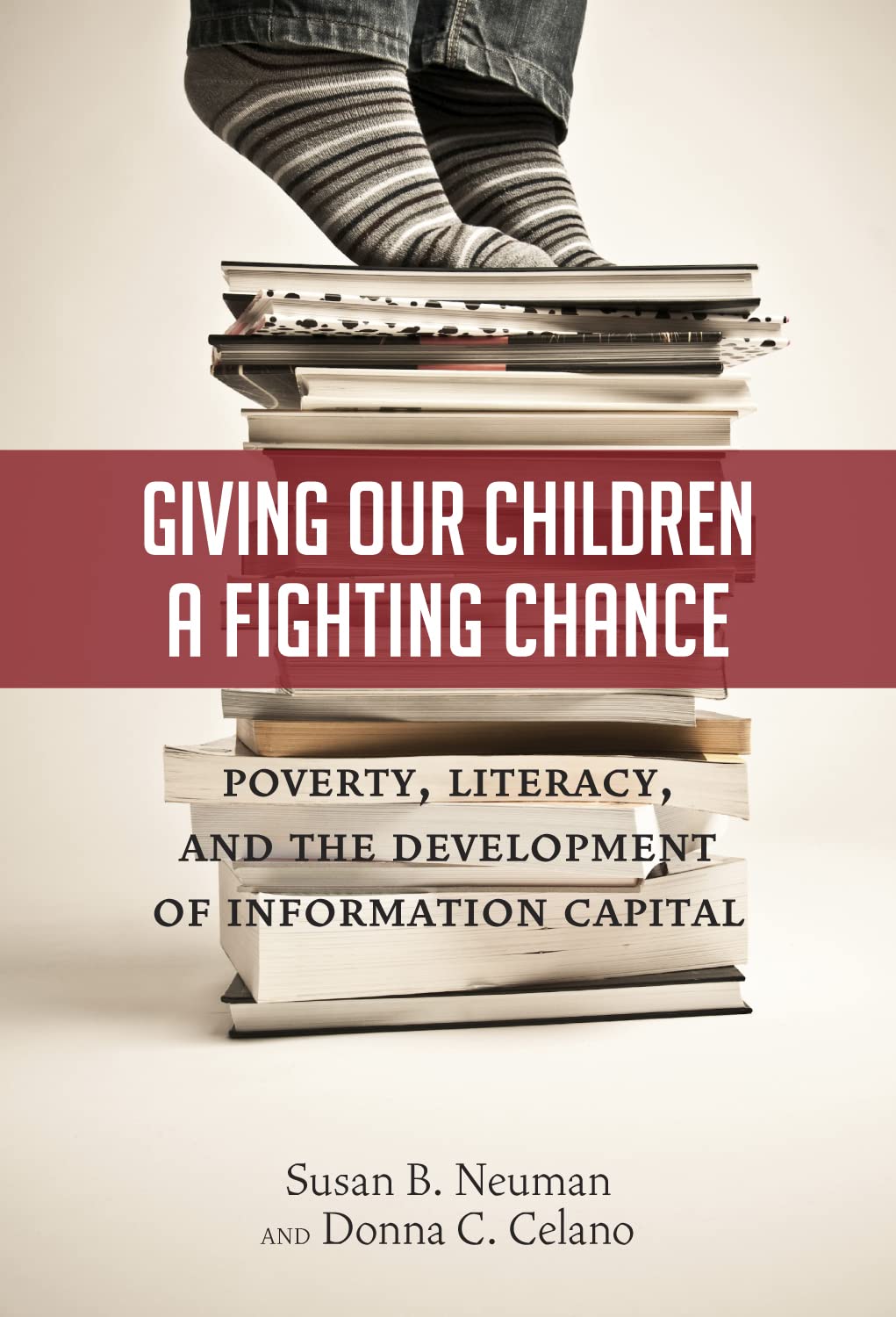
Giving Our Children a Fighting Chance: Poverty, Literacy, and the Development of Information Capital,Used
Sold by Ergodebooks, an authorized reseller.
Returns accepted within 30 days | support@ergodebooks.com
Shipping Information
- Free Standard Shipping — United States only
- Processing Time: 3–5 business days
- Estimated Delivery: 6–10 business days after dispatch
- Double-boxed, fully insured & discreetly packaged
- Tracking number sent via email once dispatched
Returns & Refund
Returns accepted within 30 days of delivery.
Damaged or Defective Item
Free return shipping + replacement or full refund
Wrong Item Received
Free return shipping + replacement or full refund
Change of Mind
Return shipping at customer's expense · 25% restocking fee applies
Payment Option

This is a compelling, eyeopening portrait of two communities in Philadelphia with drastically different economic resources. Over the course of their 10year investigation, the authors of this important new work came to understand that this disparity between affluence and poverty has created a knowledge gapfar more important than mere achievement scoreswith serious implications for students economic prosperity and social mobility. At the heart of this knowledge gap is the limited ability of students from poor communities to develop information capital. This moving book takes you into the communities in question to meet the students and their families, and by doing so provides powerful insights into the role that literacy can play in giving lowincome students a fighting chance.Important reading for a wide audience of educators, policymakers, school reformers, and community activists, Giving Our Children a Fighting Chance: Documents how inequalities begin early and are reinforced by geographic concentration. Compares community libraries to see how print is used in each neighborhood and how children develop as young readers. Looks at patterns that create radical differences in experiences and attitudes toward learning prior to entering school. Explores the function of technology as a tool that exacerbates the divide between affluent students and those with limited access to information. Provides a comprehensive analysis of community literacy, documenting the transformation of media habits from books to computers. Concludes with a look inside schools to answer questions about what schools can do to overcome this complex, unequal playing field.
⚠️ WARNING (California Proposition 65):
This product may contain chemicals known to the State of California to cause cancer, birth defects, or other reproductive harm.
For more information, please visit www.P65Warnings.ca.gov.